Blog

  • The curiosities of the European grape Garnacha/Grenache add differential value

    To understand the uniqueness of the vineyards and the excellence of European Garnacha/Grenache wines, it is necessary to consider several peculiarities that make them different. Here are some of them:
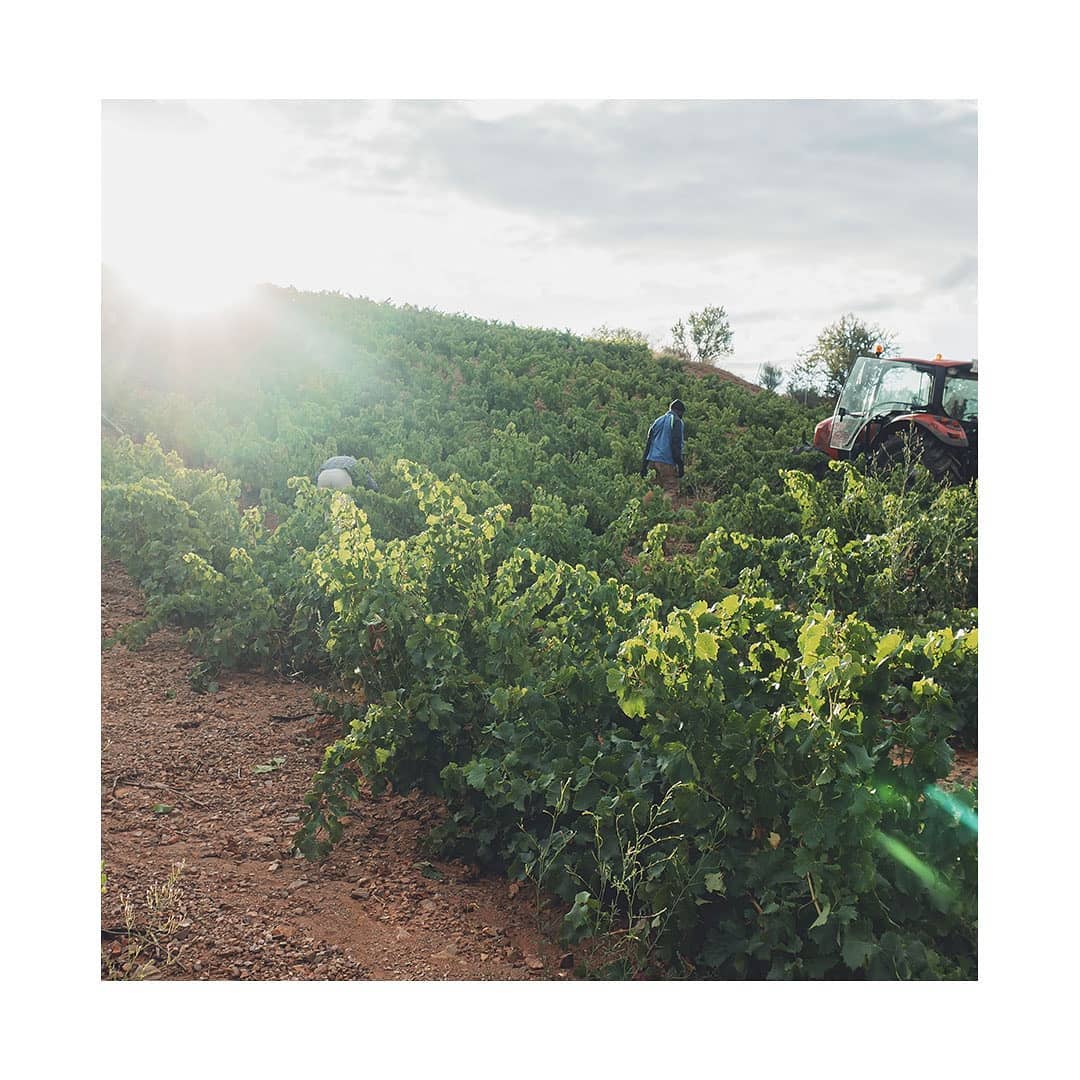
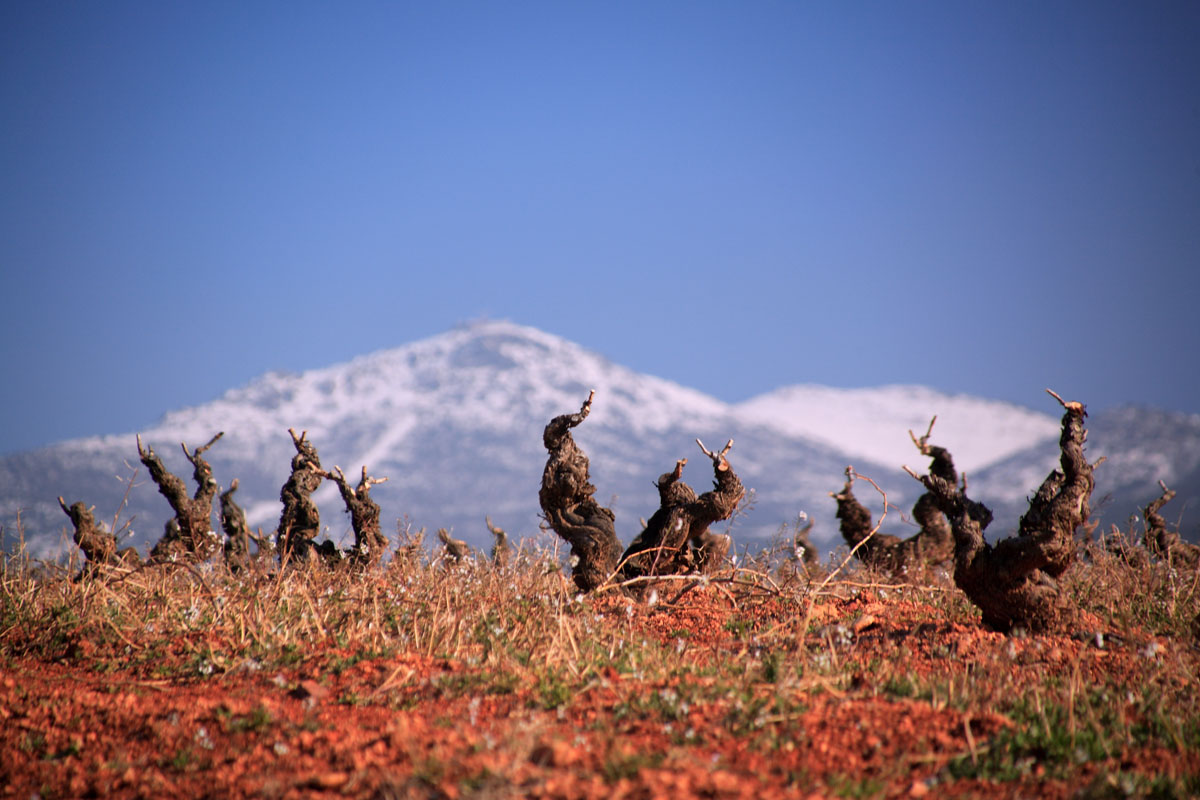
    ©BodegSanValero
    1. Garnacha/Grenache proves to be very sensitive to soil variations (geographical and geological). Therefore, it is convenient to take into account the land, the topography, altitude, the weather and even the biodiversity of the environment, that is, the terroir where this very special grape is grown. Because it requires specific conditions and care to produce its best wines.
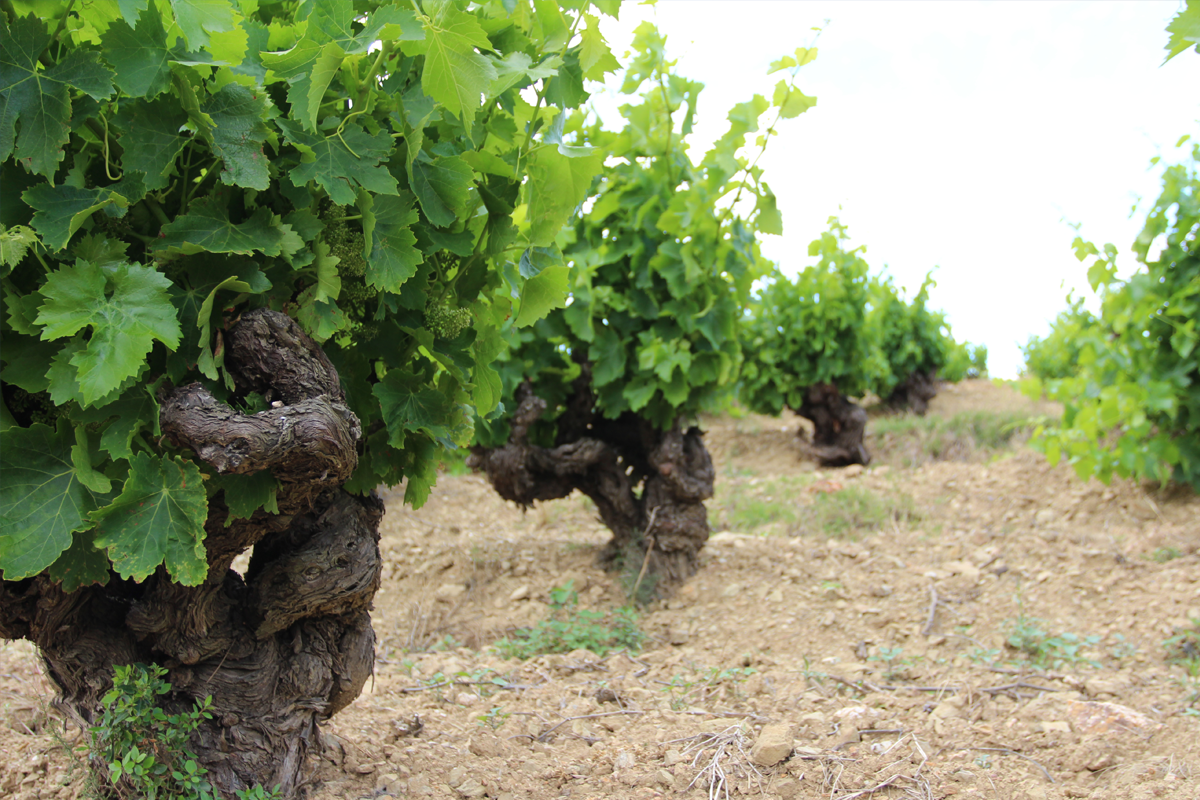
    2. Another interesting fact: old vines, limited yields and terroir can produce top-quality single-varietal wines. The lower the yield is, the better is the flavor. Old vines produce less fruit but concentrated, that is, as there are fewer berries, the vine can allocate more resources to each of them, increasing the European Garnacha / Grenache
    3. At high altitude sites with cooler conditions that preserve acidity, elegant, complex, age-worthy wines are made. These are some of the characteristics of the old Garnacha/Garnacha vines, which illustrate why it produces such excellent wines:
      • Strong roots increase quality. Garnacha/Grenache grow in hot, dry regions. The strong and deep roots of the old vines allow the plant to resist excessive heat and produce high quality wines even in difficult harvests.
      • Deep roots increase the specific minerality of the terroir. As the roots grow over time, they have great flavor potential to translate to the terroir, resulting in some European Garnacha/Garnacha wines having many fruit flavors.
      • The robust wood of the vines allows the variety to withstand strong winds, such as the Cierzo in Spain and the Tramuntana in France, which help keep the grape clusters healthy.
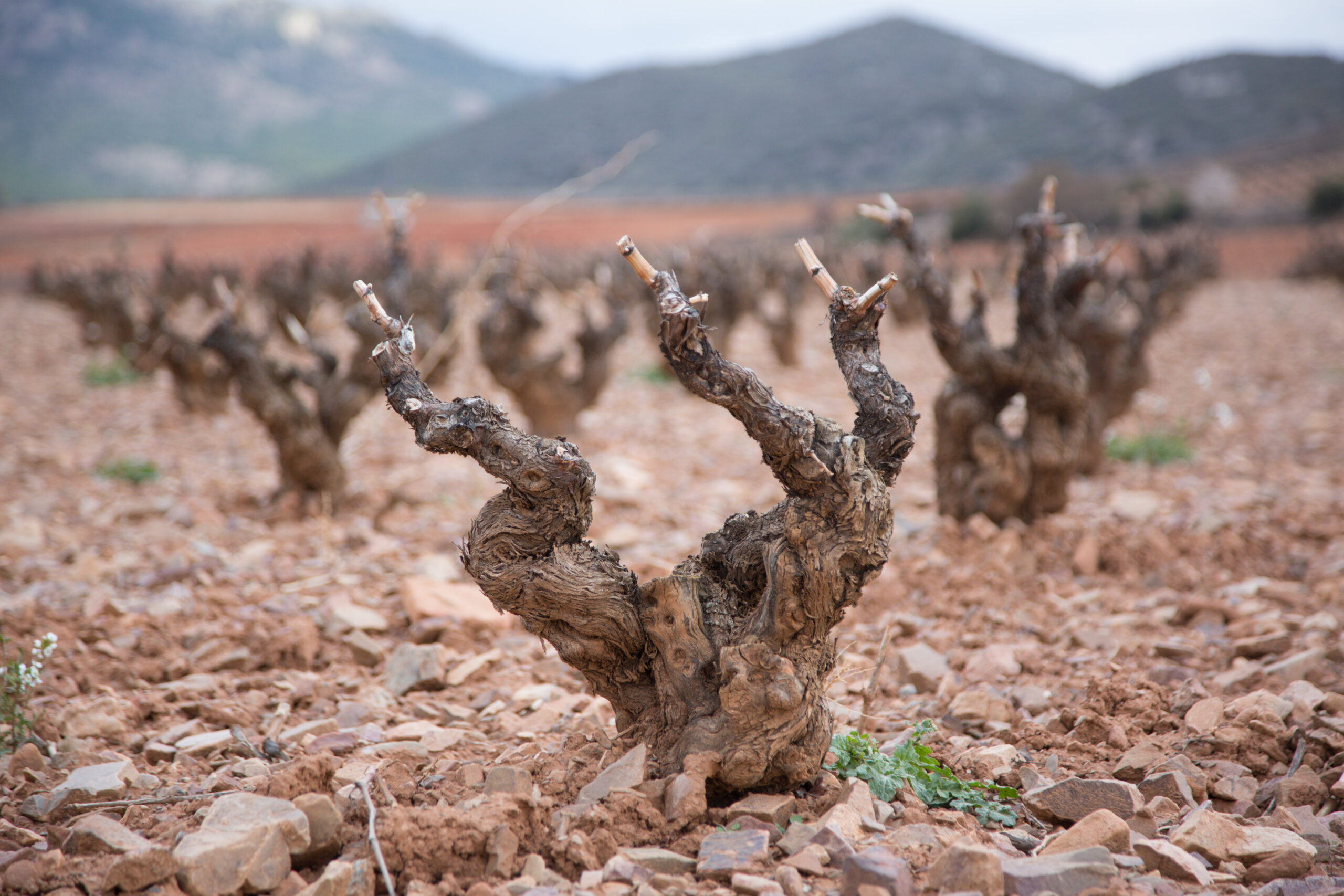
    ©GrandesVinos
    1. Self-sufficient roots. Another peculiarity of this variety is that it tends to be resistant to disease and drought, thriving in areas with little access to water. Its long, deep roots easily search for water, especially in hot, dry, well-drained soils with low fertility. In fact, the vines produce excellent fruit on slate, clay, pebble, granite, and limestone soils. Known as “water stress” variety, is self-sufficient. In fact, in 2011 it was recognized at the World Conference on Climate Change and Wine that this variety is possibly the most ecological in the world, and it is ready for climate change.
    2. In some places this variety has historically been blended with other grapes to add, for white and rosé its minerality and fruitness to the wine, or for a red its ripe and fruity aromas or delicacy to other grapes with more color and tannins.
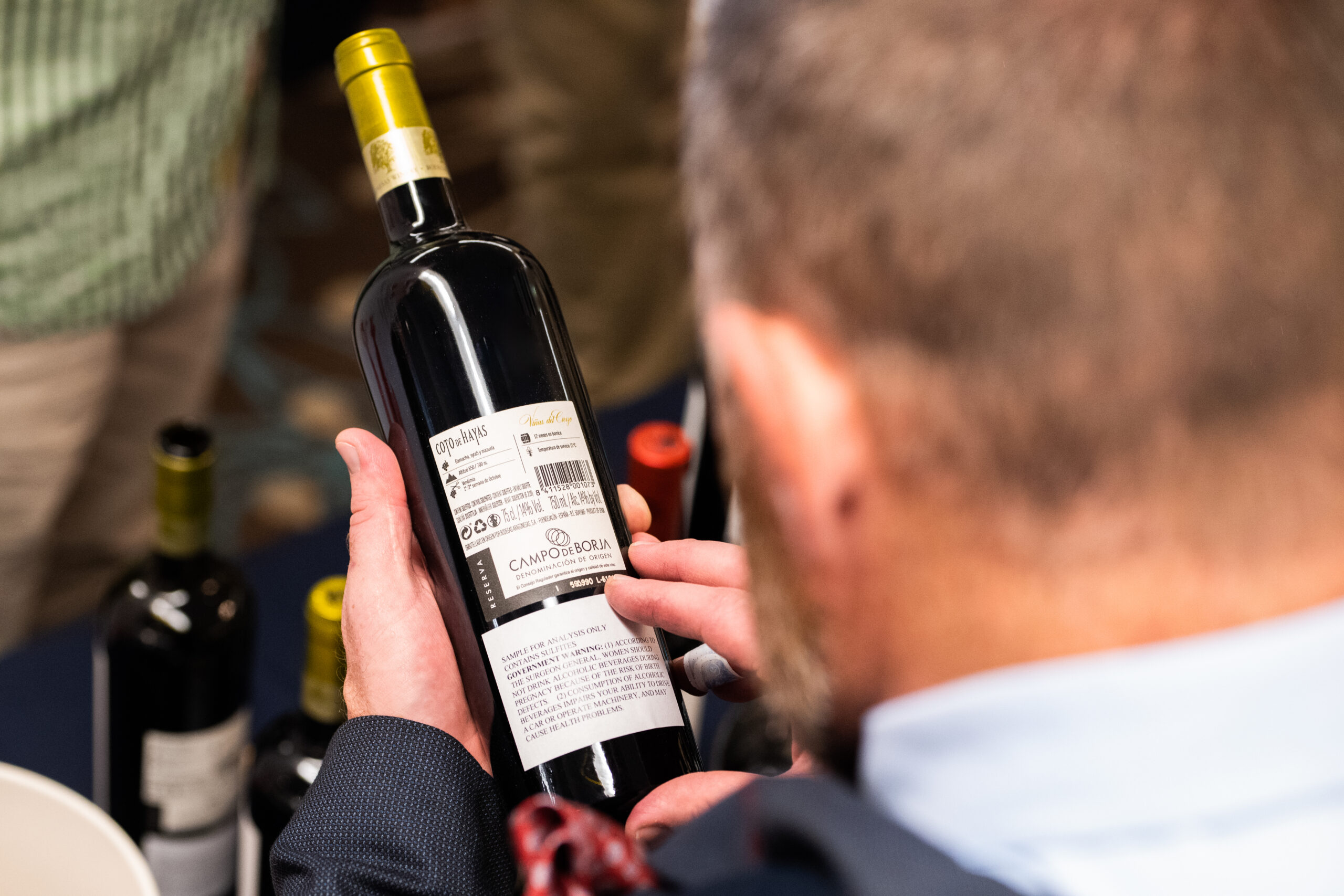
     

  • Everything you need to know to choose a bottle of European Garnacha/Grenache is on the label

    The label of each bottle of European Garnacha/Grenache becomes a great letter of presentation of the wine since it offers us many clues about it. In addition, it is a guarantee that it complies with the regulations and with all European quality parameters.

    Below, we explain the most frequent indications that usually appear on the label of a Garnacha bottle so that the next time you have one in your hand you know all its details and characteristics. NB: some of them are compulsory (*):

    1. Origin * and provenance *. The label must include all the information of interest regarding the origin of the wine (example: “Product from Spain” or “Product from France”), and the different regions (through the appellation). It is a hallmark and guarantee of quality. In this sense, the wines of the program “European Garnacha/Garnacha Quality Wines” meet a high level of quality and respect for the traditions of the regions from which they come from. Protected Designation of Origin (PDO) or Protected Geographical Indication (PGI) are always written in full letters on the labels; they are endorsed by the European Union and demonstrate this. This European program includes 5 PDOs from Spain that have Garnacha vineyards: Calatayud, Campo de Borja, Cariñena, Somontano and Terra Alta, and 13 PDOs from the Roussillon areas in France: Collioure, Côtes du Roussillon, Côtes du Roussillon Villages, Côtes du Roussillon Villages les Aspres, Côtes du Roussillon Villages Camarany, Côtes du Roussillon Villages Latour de France, Côtes du Roussillon Villages Lesquerde, Côtes du Roussillon Villages Tautavel, Maury Sec, Rivesaltes, Maury, Banyuls and Banyuls Grand Cru – as well as 2 Protected Geographical Indications (PGI) from the south of France Côtes Catalanes and Côte Vermeille.

    1. Vintage. The year when the grapes were harvested is another piece of information that provides a lot of information. It helps to remember the conditions in which the Grenache grape raised and when it has been collected. Most bottles indicate this on both the front and back. This way you can know if it is a crianza, young or reserve wine… etc. The vintage is compulsory for a PDO.
    2. Alcohol content *. One of the informations that appear on the labels is the degree of alcohol contained in the bottle. This value is indicated as a percentage of the volume (% vol.) in pure Ethanol. Garnacha wines are found between alcohol values between 11 to 18,9%Vol. Red wines are usually between 13,5 and 15,5%Vol and whites and rosés between 12,5 and 14,5, while fortified ones are around 16% Vol but can reach 18,9%Vol.
    3. Grape variety. This mention is particularly on the back label. It is the strain with which the wine was made, so it is useful to know if it is monovarietal (Garnacha only) or a blend (Garnacha with another variety); for example, the most famous coupage with Garnacha is the GSM (Garnacha, Syrah and Mourvèdre). There is also a great diversity of Red, White, Gray, Tintorera and Peluda Garnacha.
    4. Product category. The product class of wine as indicated in the regulations (wine, sparkling wine… etc) appears here.
    5. Tasting note. On the back label of the wine, we can find information about the tasting (color, aromas, flavor), description, production method and food pairing suggestions. Sometimes it also includes data on the optimal consumption temperature.
    6. Name of the product, details of the producer * and bottler *. To recognize the product, the name of the wine appears, as well as the address of the producer and bottler.
    7. Content volume in centiliters or milliliters. They are normally 75 cl or 750 ml bottles, although there are also half bottle for fortified sweet wine until Garnacha Magnum bottles with a 1.5-litre content.
  • Curiosities about the cultivation of Garnacha / Grenache European wines


    The European Garnacha/ Grenache has gained popularity for its quality and its excellent flavor. And the wines made with this variety have become authentic jewels that seduce consumers around the world. Behind that success is a new generation of European winegrowers from Spain and France making innovative wines featuring Grenache, a central point in the tapestry of quality European wine.

    @BodegaSanValero

    One sip of these wines is enough to understand the ability of this European quality variety to produce complex, structured or not but always balanced wines. But before reaching our palate, Garnacha has gone through a long production process and very careful cultivation. Here are some facts about the peculiarities of its plantation:

    1. First of all, Grenache is a varietal that sprouts very quickly and requires a long period of growth to mature. Unlike other varieties, it is one of the last grapes to harvest for red wines, and adapts very well to all vineyards.
    2. The robust wood of the upright vines allows the variety to withstand strong winds, such as the Cierzo in Spain, and the Tramuntana in France, which helps to keep the grape clusters free of diseases
    3. The variety also tends to be drought resistant, thriving in areas with little access to water. Its long, deep roots readily seek out water, especially in hot, dry, well-drained soils with low fertility.
    4. It adapts very well to high altitudes. The vines produce excellent fruit on a number of soils, especially those of slate, clay, pebbles, granite and limestone.
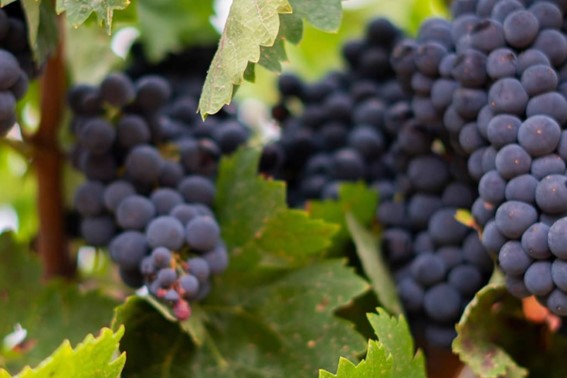
    5. The European Garnacha/Grenache vine is a vigorous plant with considerable growth. Its clusters are between medium and large. Its berry is round and medium in size. The skin is thin or less thick.
    6. Old vines, which are abundant in the vineyards of northeastern Spain and Roussillon in France, produce even more concentrated wines due to their lower yields and deep-rooted roots. Winegrowers are increasingly turning to these old vines, and handpicking harvest, especially in high-altitude locations with cooler conditions that preserve acidity, to make elegant, complex, age-worthy wines.
    7. For many years its production was dedicated almost exclusively to the production of table wines, until these winegrowers from Spain and France began to produce wines and to recognize the true potential of Grenache with traditional techniques but with maximum innovation.
    8. Currently, this grape is one of the most cultivated in the world. It has recovered the value of its origins, its status as a versatile variety full of nuances and its position as a full-bodied grape with a high alcohol content and a complexity of aromas and flavors that make it an exceptional variety

    There are different varieties of Garnacha / Greanche : Garnacha Peluda, which is a mutation of Garnacha Tinta / Grenache noir, Grenache Blanc, Grey Grenache and Garnacha Tintorera. With them you can make red, white, rosé wines, as well as fortified sweet wines and sparkling. All these wines have great advantages as they are balanced, full-bodied, low to medium but sufficient acidity, low to concentrate color and with a high alcohol content. Its productions are low, but highly appreciated for its structural and the aromatic complexity of its wines.


  • Why choose a European Garnacha/Grenache Wine? Here are the 5 main reasons


    Some of the virtues of a quality European Garnacha/Grenache wines may be its fruity flavor, its soft tannins that usually define it, and its pleasant finish on the palate. But there are many more reasons behind this brilliant success. Here are the five great advantages of this magnificent wine:

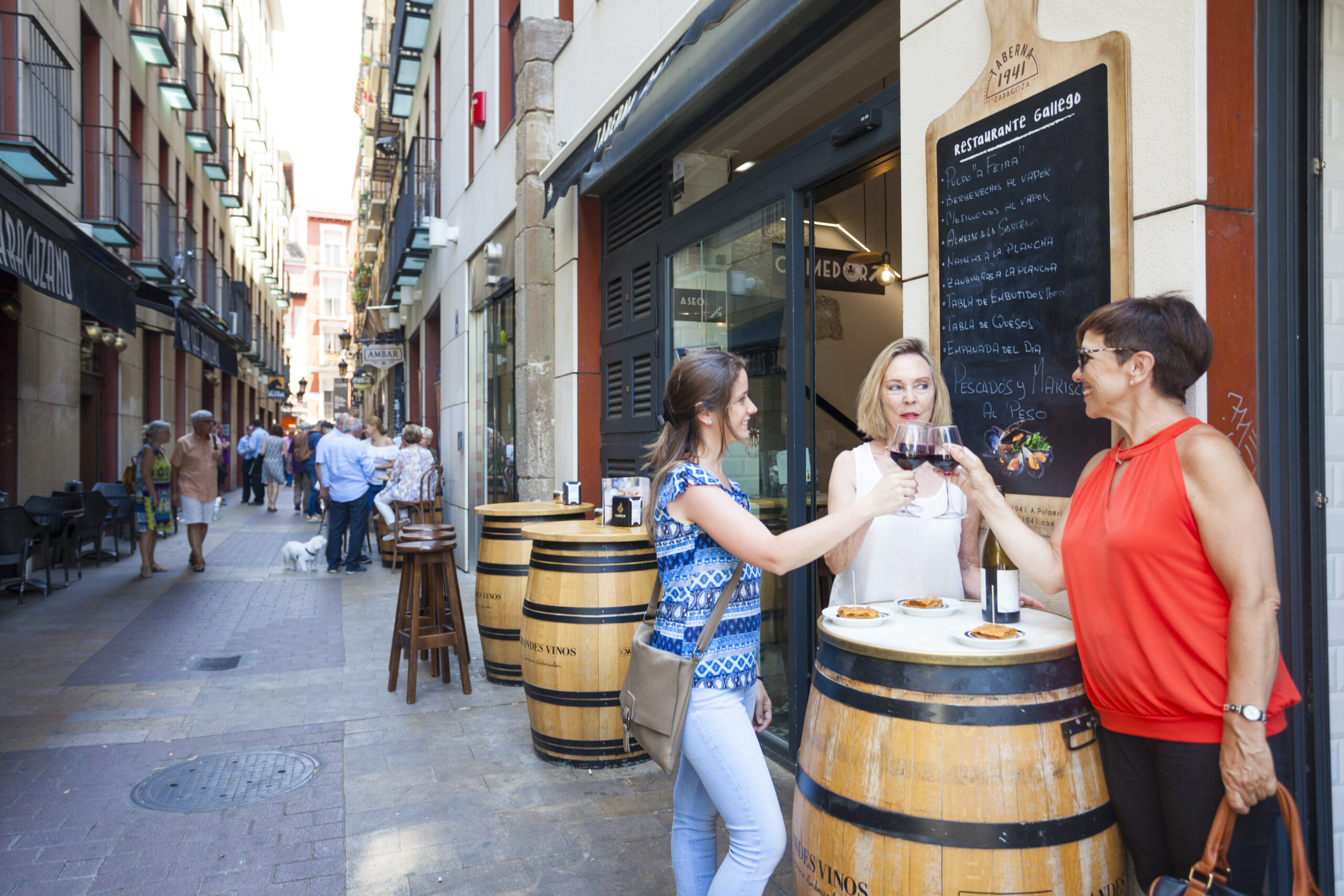
    @Turismo de Gobierno de Aragón
    1. Moderate acidity. The red wines made from Garnacha are of great quality due to their alcoholic potential, especially if the vines are tended in suitable soils and their yield and colour are taken into account. The result is a balanced wine, with low acidity, easy to drink and always very pleasant on the palate. Wines made from Tintorera and Peluda grapes have medium acidity, while wines made from Grey and White grapes can have medium to high acidity.
    2. Versatility. The Grenache grape is usually medium and early ripening and has great versatility. This is thanks to its great capacity to produce all kinds of wines with it: red, white, rosé, sparkling or fortified sweet wines. All of them are characterized by their great personality.In addition, this grape adapts to all kinds of environments and situations. It is resistant to the climate of the hot and windy Mediterranean valleys. It can also be planted in high altitude. Its strong wood canopy and upright growth help resist northerly winds in those valleys. By having long and deep roots, it allows it to adapt well to water stress. In fact, this variety does best in hot, dry soils that are well drained. Here the flavors and aromas are concentrated, especially if the grapes come from old vines.
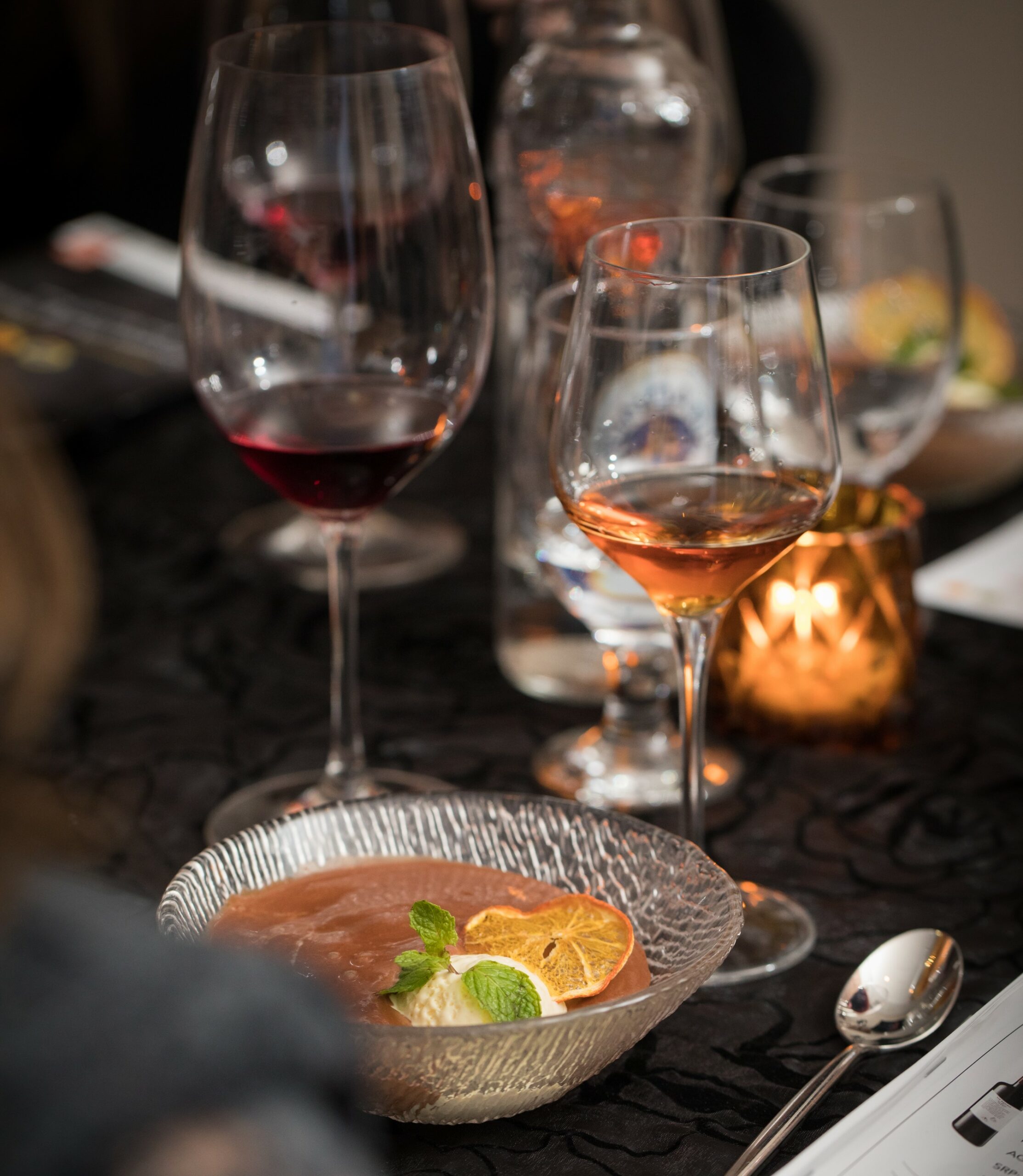
    @LydiaLeePhoto
    1. High aromatic intensity. In this sense, European Garnacha wines are round and friendly in their different varieties:
    • Garnacha Tinta / Grenache Noir. It is a variety considered one of the most planted in Spain and France. From it, highly aromatic red, rosé or Fortified Sweet Wines are produced. It is distinguished by aromas of strawberry, wild berries, black cherries, cassis or pepper and can evolves in a right way through tabaco, chocolate or leathery notes.
    • Garnacha Blanca/Grenache Blanc. Stands out for its aromatic intensity, with floral, aniseed and tropical fruit notes. We can also appreciate aromas of peach and melon. From this variety, white wines with a lot of aroma and fruity taste with a lot of body are also obtained.
    • We have Garnacha Tintorera with a bright purple hue. It has notes of black fruit (plum), fine herbaceous notes, fruit (orange peel), spices (green pepper) and balsamic notes (eucalyptus). The wines obtained from this grape are unique and surprising. By its colour, it is highly appreciated for
    • Grey Grenache/Garnacha Gris. Initial aromas are aniseed, minerality and citrus notes. There’s a bit more of the lighter red fruits as well like cranberry and raspberry. Florals are a constant steady background.
    • Garnacha Peluda. With a good colour and structure, the nose offers a high aromatic variety, fresh, fragrant, with aromas of red fruits and vegetal notes, prickly fig, yellow strawberry, conveying the aromas that surround the vineyard, such as thyme, rosemary, floral…
    1. Great implantation. Grenache is the seventh most planted grape variety in the world today (fifth for reds). It is also one of the oldest varieties and it’s planted on nearly 200,000 hectares, more than half of which are in Spain and France. Its implementation reaches also Italy, Portugal, Greece, South Africa, California, Chile and Australia, among other wine regions of the planet.
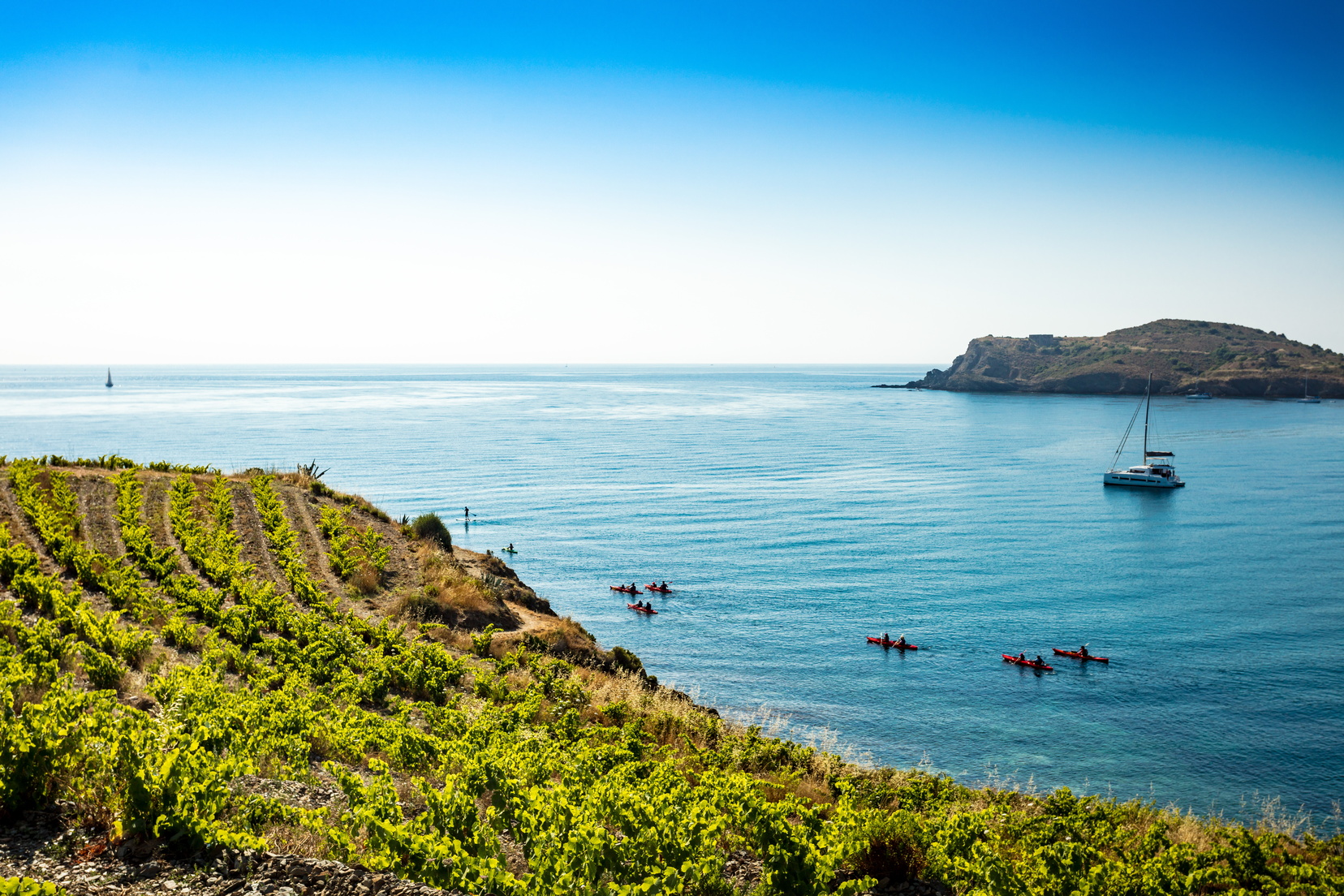
    © Domaine Cazes – Port Vendres
    1. Expression of ‘terroir’. Through the Grenache, the winemakers can express a lot of things and generally the terroir, the way of work in the vine but also during the processes of vinification and ageing. The full family of Garnacha / Grenache demand a great attention from the vineyard to the cellar; those grapes are very sensitives to bad and wrong manipulations.
  • European Garnacha/Grenache Quality wines seduce the North American palate at SommCon held in San Diego

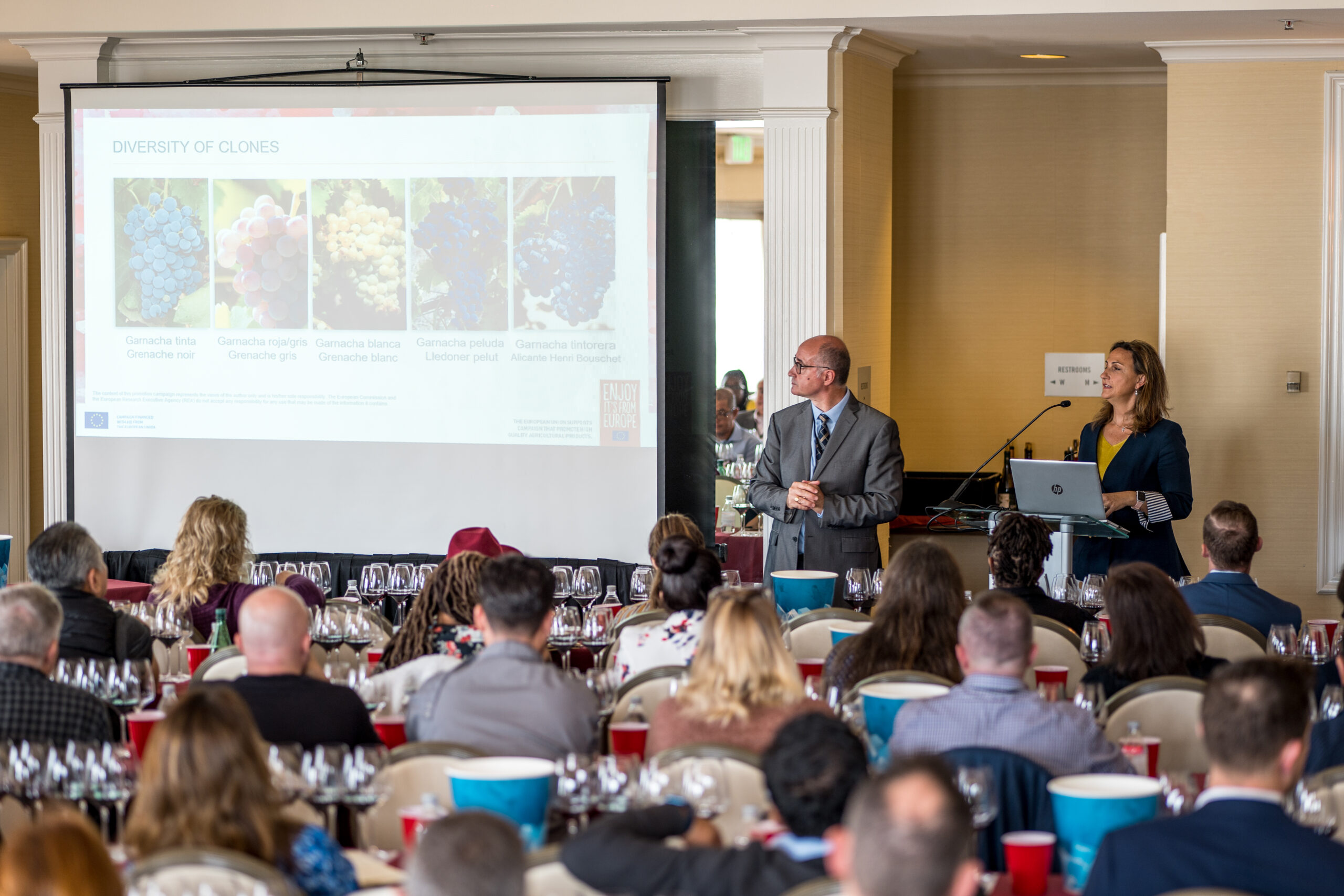
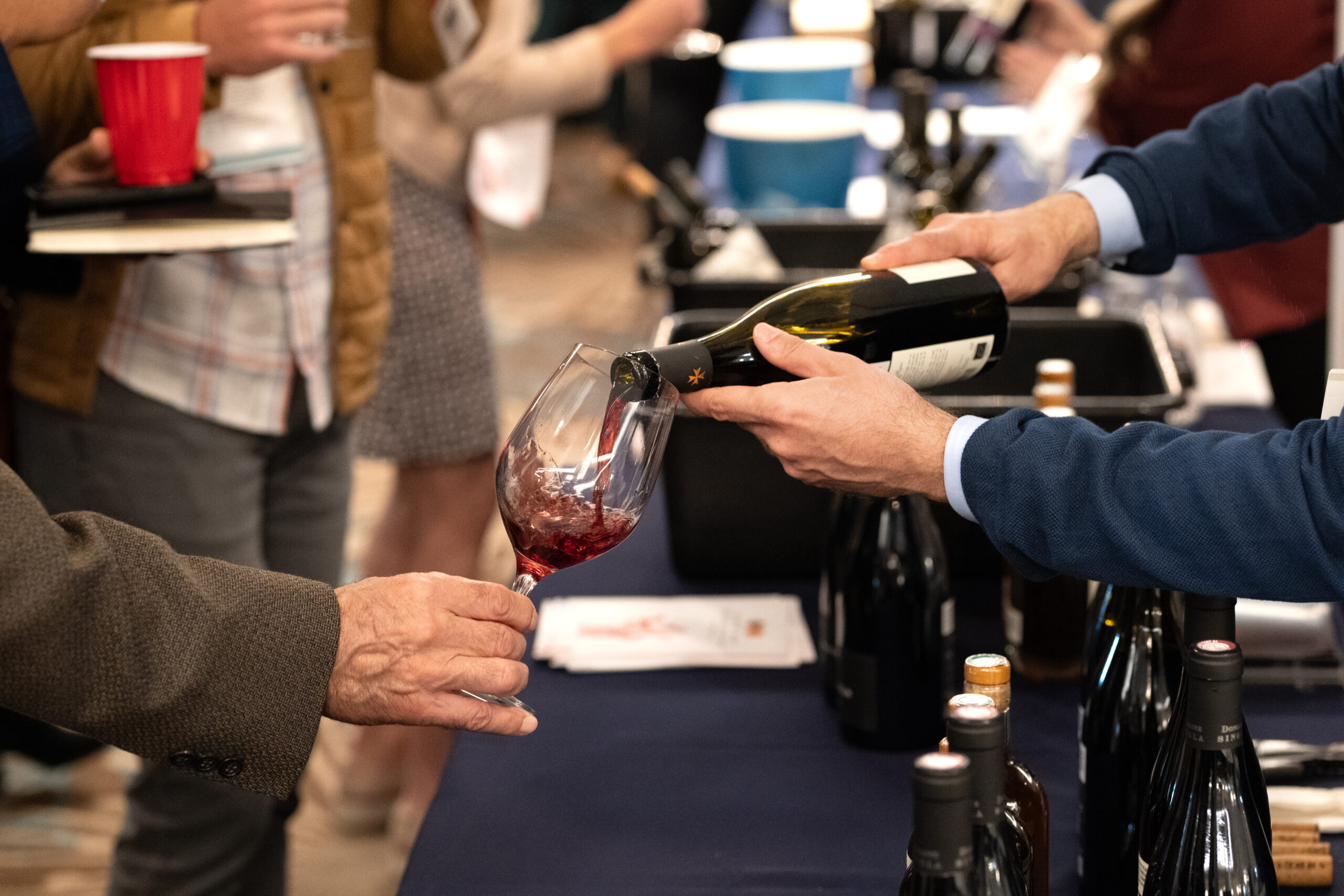
    Today Garnacha/Grenache is an international symbol of quality with European origin that is creating trends and who has triumphed with a sold out seminar at the SommCon, one of the gatherings of the wine sector held in San Diego (USA) on November 6th, 7th and 8th, 2022.

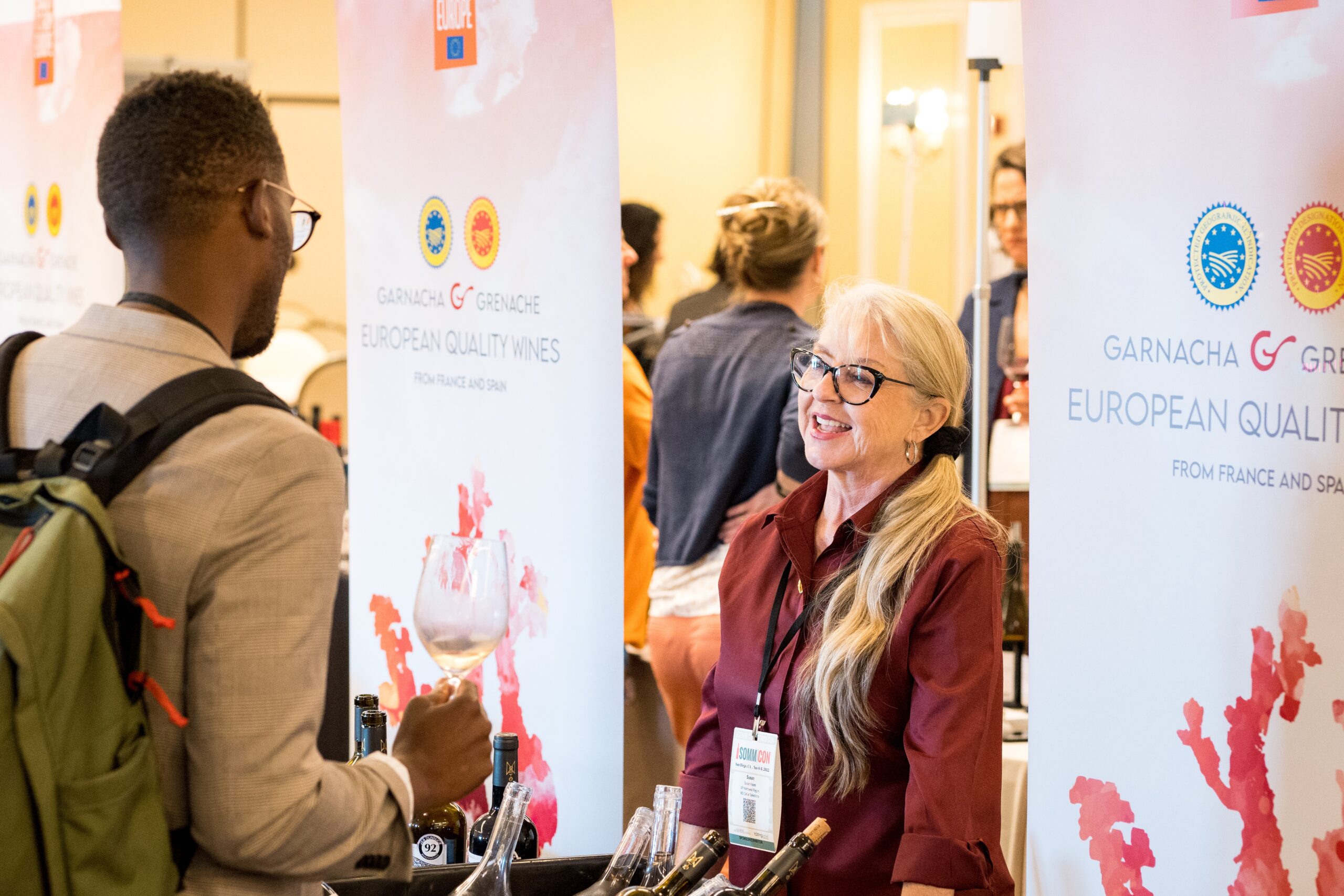
    On the first day of the event, the attendees were welcomed with a reception that gave way to a networking session. During the days of SommCon San Diego, eight of the represented producers showcased their wines in a tasting of Garnacha, to the professionals who attended the event, especially sommeliers. This way, they were able to confirm the great quality of these European wines in all their expressions, from whites to reds, sparkling wines or Fortified Sweet Wines. In addition, the attendees were able to receive information about the advantages of European Garnacha/Grenache Quality Wines directly from its producers, which made it a unique experience.

    The conference held about Garnacha explained that this is the seventh most planted grape variety in the world today (fifth for reds). It is also one of the oldest varieties and possibly the most ecological. Garnacha wines are elegant, balanced and fruity wines that have won many international awards.

    It was also pointed out that 92.8% of the world’s Grenache grapes are planted in Europe, with Spain and France leading the way in terms of the concentration of Garnacha and old vines in the world. Special emphasis was placed on educating those present on European standards, especially on the importance of products under a certain quality scheme (PDO and PGI).

    In addition, the history surrounding Garnacha/Grenache, the strength of this variety and its unique geolocation were also explained to the public. “These messages had a positive impact on US consumers,” says Carolina de Funes, International Manager of the Garnacha Origen Association.

    Also, that Garnacha is on the rise and offers enormous value for the US market. In fact, sales in this market have advanced 47.2% in the last ten years as it is one of the most food-friendly grapes in the world and is widely available at less than $12.8 a bottle, making it ideal to satisfy the growing curiosity and appreciation of Americans.

    “It is also gaining popularity in this country due to the diversity of its clones, from light-bodied whites to full-bodied reds and Fortified Sweet Wines”, notes Carolina de Funes.


  • The American gastronomy that best pairs with a European Garnacha/Grenache Quality Wines

    The wines elaborated with European Garnacha/Grenache are very versatile and diverse, so we can pair them with a large number of dishes typical of the United States cuisine. Pairing food with Garnacha wine elevates the gastronomic experience and surprises diners with its aroma and flavor.

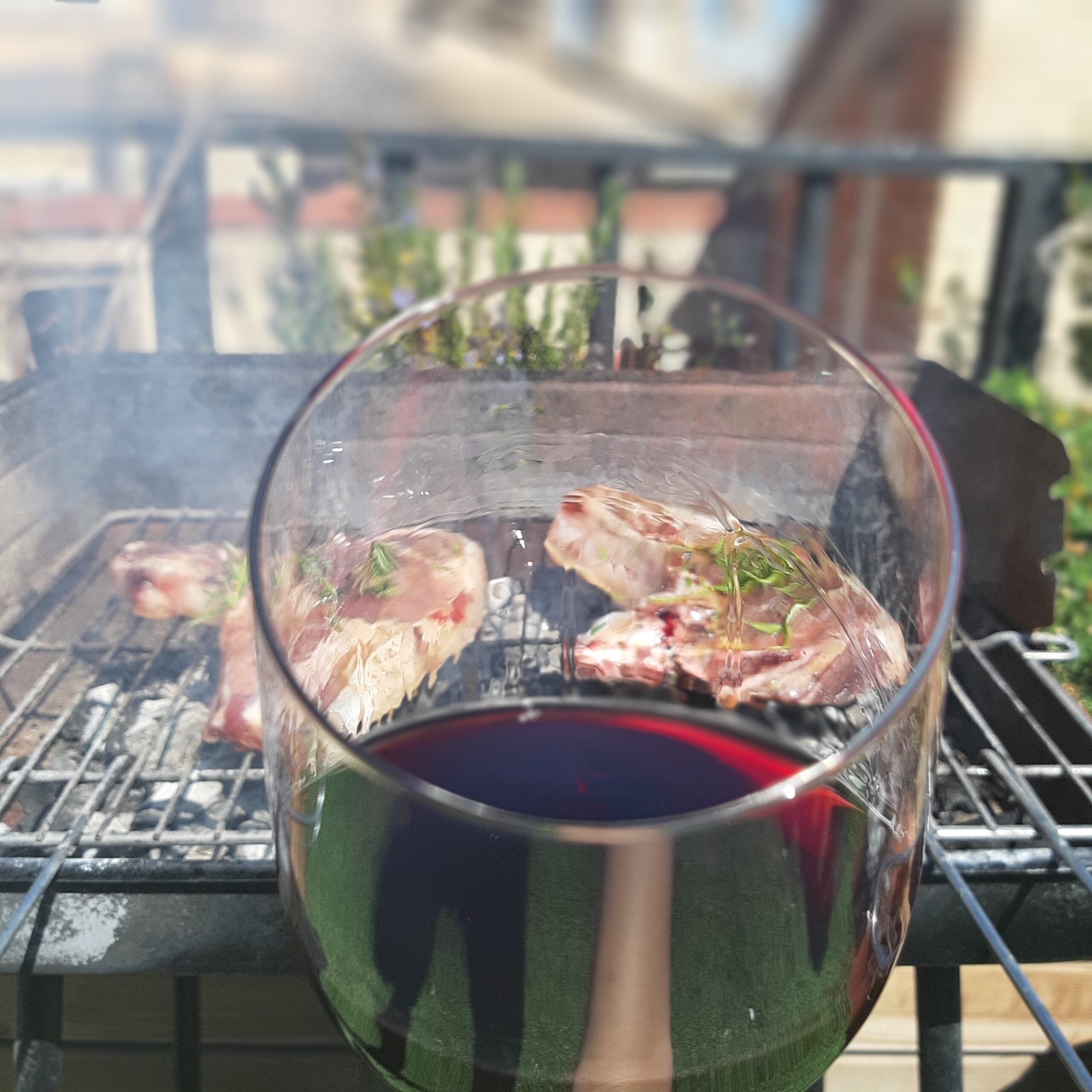
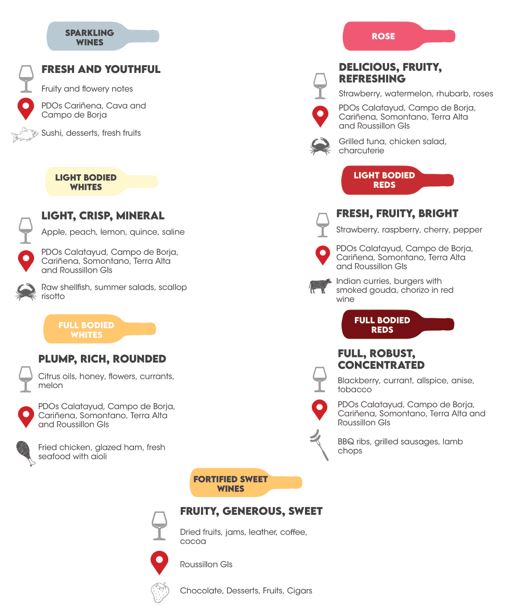
    Fruity Grenache and light bodied red wines can be served with pork, Indian curries o burgers. A full-bodied red wine is the perfect to combine with ribs, grilled sausages o lamb chops. These are just examples; there are thousands of possibilities to pair Garnacha with the best culinary creations.

    In the United States, most of the frequent and popular dishes such as pizza and hot dogs don’t necessarily ask for an American wine; on the contrary, in many cases, what works best are the European Garnacha/ Grenache Quality Wines.

    One of the most popular dishes in the country are hamburgers: they can be paired with any wine, therefore, we can opt for a full-bodied red wine if the hamburgers are meat dishes, while if they are vegan, we could opt for a rosé that enhances its flavor.

    A full-bodied red Grenache is the perfect with meat: In general, with this food the perfect pairing is formed. From roasted or grilled lamb, white meats with strong sauces, to simple stews or stews with aromatic pork, duck or poultry meat. And for the holiday celebrations it is ideal to pair with turkey or red meat made on the barbecue. If, in addition, you use different sauces like a Mango Chutney to accompany it, you will pleasantly surprise your guests. If what you like most is diverse food, you can try a Garnacha medium bodied white or red with Indian food or even with a Tajine from Morocco; it’s a good combination.

    @LydiaLee

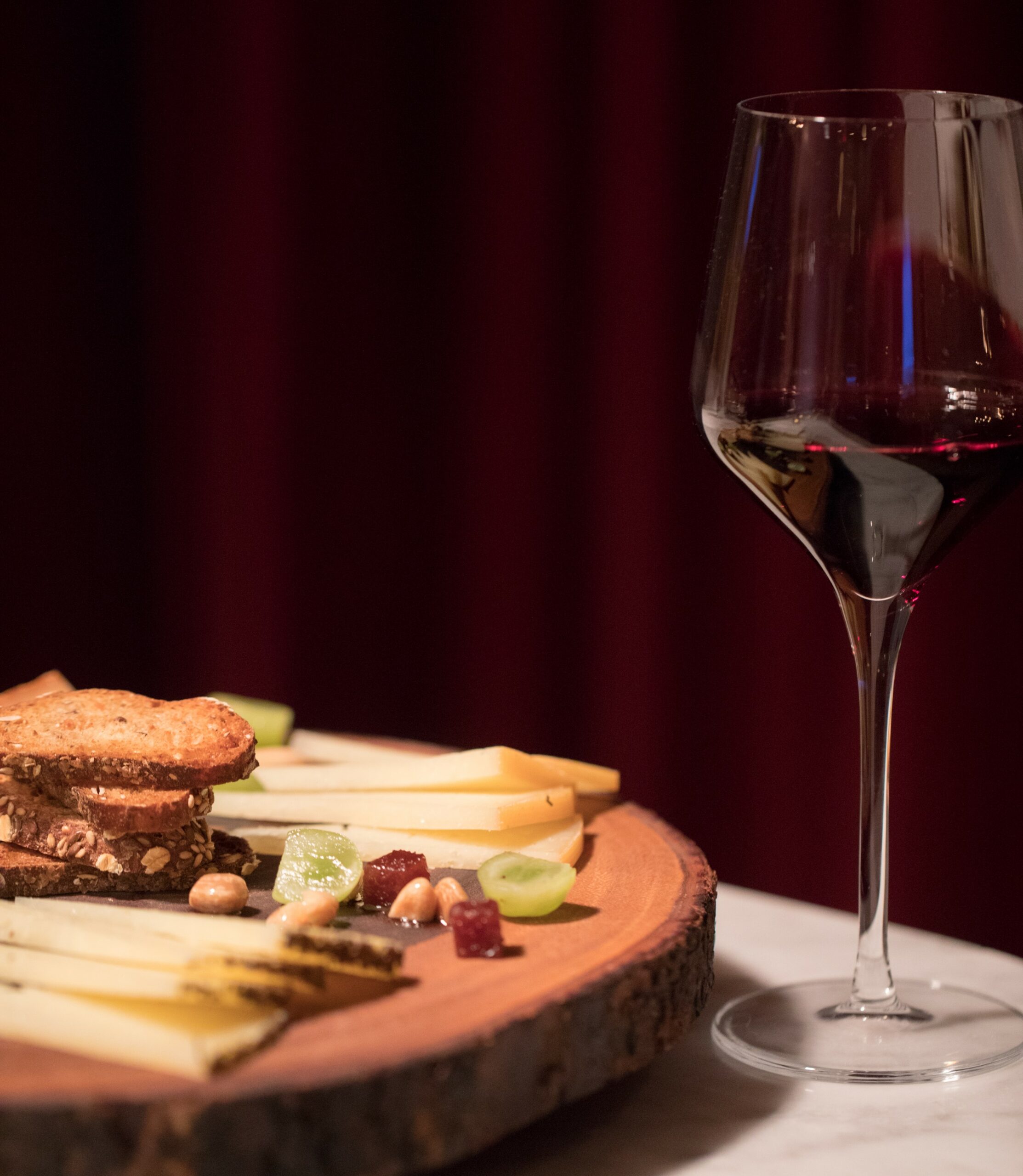
    Chic appetizer: If you want to give your holiday dinner a chic touch, a cheese board accompanied by a salad and a good Grenache wine will do the job for you. Let your guests be filled with the essence of “less is more.”

    Garnacha with fish: If you opt for baked tuna or if what you have is a softer fish, one option is to resort to a Garnacha rosé wine. Fresh seafood pairs wonderfully with full white wine of this variety. And do not forget the wonderful opportunity to match a spicy fish stew with a gentle and mineral red Grenache.

    Complex salads and vegetables: Garnacha light bodied white wine is ideal for salads in which you can incorporate nuts, chicken, sauces, etc. If you accompany it with vegetables, this variety combines better with pepper and eggplant. If what we are going to cook a rice or pasta, choose meat rice, risottos and pasta with some meat.

    Garnacha (sparkling) with sushi, desserts o fresh fruits: be confident to taste a sparkling wine these succulent dishes; a good surprise for your family and friends at upcoming celebrations. For sweets and chocolates nothing better than a fortified sweet wine.

  • Guide to store and consume a quality Garnacha/Grenache wine at home

    Surely you have wondered if, after buying a bottle of European Garnacha/Grenache wine, you are storing it well so that it maintains its magnificent properties and to taste it in the best condition. Here are some practical tips for optimal conservation at home to respect and ensure the quality:

    @Roussillonwines

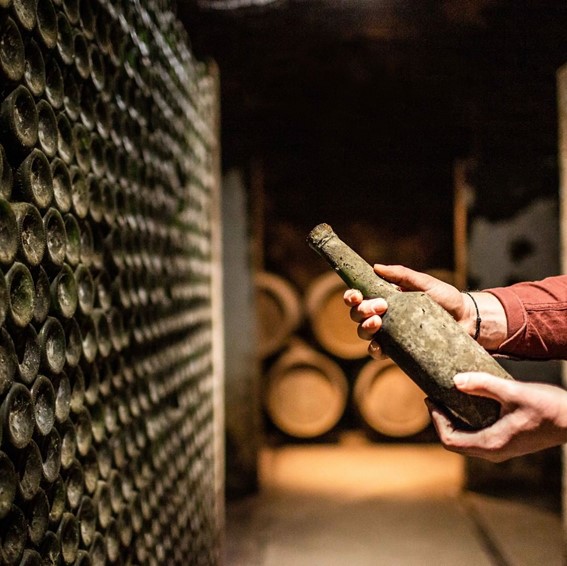
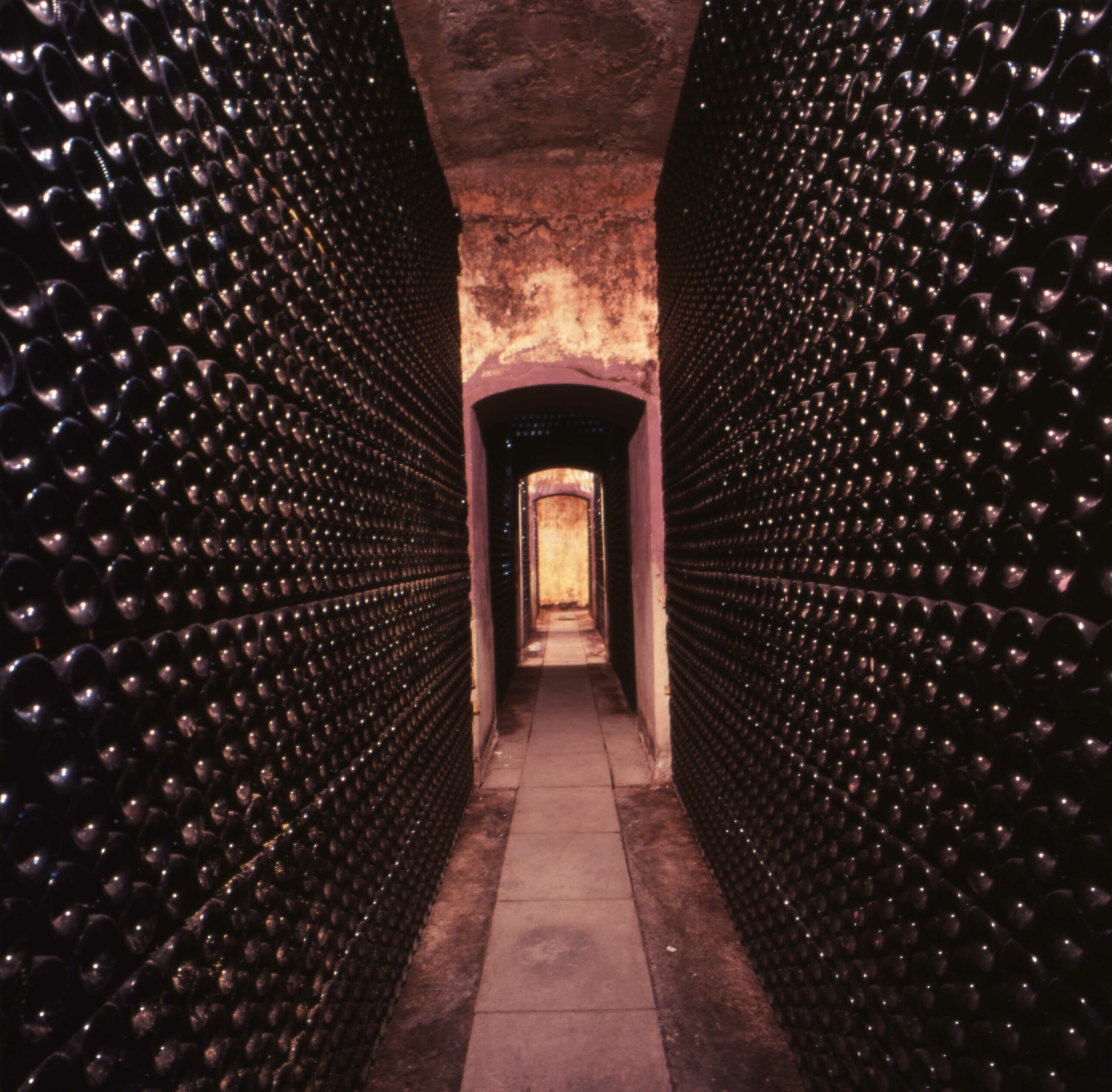
    Constant temperature. The right thing is for the wine to be at a constant temperature. This means that the bottle should be stored between 54º F (12º C) and 57º F (14º C) It is also recommended that Garnacha wine does not suffer sudden changes in temperature as this would alter its properties, the cork would change size and it would allow wine to leak. Meanwhile, the humidity, should be between 60% and 80%. These conditions usually occur in underground rooms, such as cellars or basements. If you do not have these spaces at home, you should find the spot with the most similar conditions (storage rooms, interior patios or even cabinets where the environment is protected from the outside and dedicated to wines).

    Dark environment. Direct exposure to light, whether solar or artificial, accelerates the degradation of wine, which is why it is vitally important that the place where you store the wine is dark. Direct light would favor the “oxidation” of the wine, affecting its flavor and color.

    The bottle in a horizontal position: This is important so that the Garnacha wine is in permanent contact with the cork, keeping it moist. However, once the bottle is opened, it is best to keep the bottle upright to minimize the surface area of the wine that is in contact with oxygen. Do not hesitate to use a “VacuVin” process mainly for red wines and for sure still wines. It creates an airtight vacuum that preserves the wine once the bottle has been opened, and prevents the oxidation process that is responsible for wine spoilage.

    Controlled environment to prevent the flavor and aroma of the wine from being altered by external agents when the bottle is opened and is to be tasted. For example, strong odors are discouraged in these storage locations, so a kitchen is often a poor place to store wine. It is also convenient that the space is free of noise, movements or vibrations.

    @DOSomontano

    Wine at home. The ideal place to keep European Garnacha/Grenache wine in your home would be an underground space or brick walls, avoiding any leakage. The place has to be clean and well ventilated. But if you don’t have a basement in your house, you can store the wine in a closet or in a room protected from the sun; There are also wine artificial cellers that allow it to be stored in the most suitable conditions. As for the bottle racks and shelves, they must be rigid and stable. It is also possible to keep the wine in its own box, as long as it is made of wood (avoid to keep the carton box) and is not in contact with the ground.

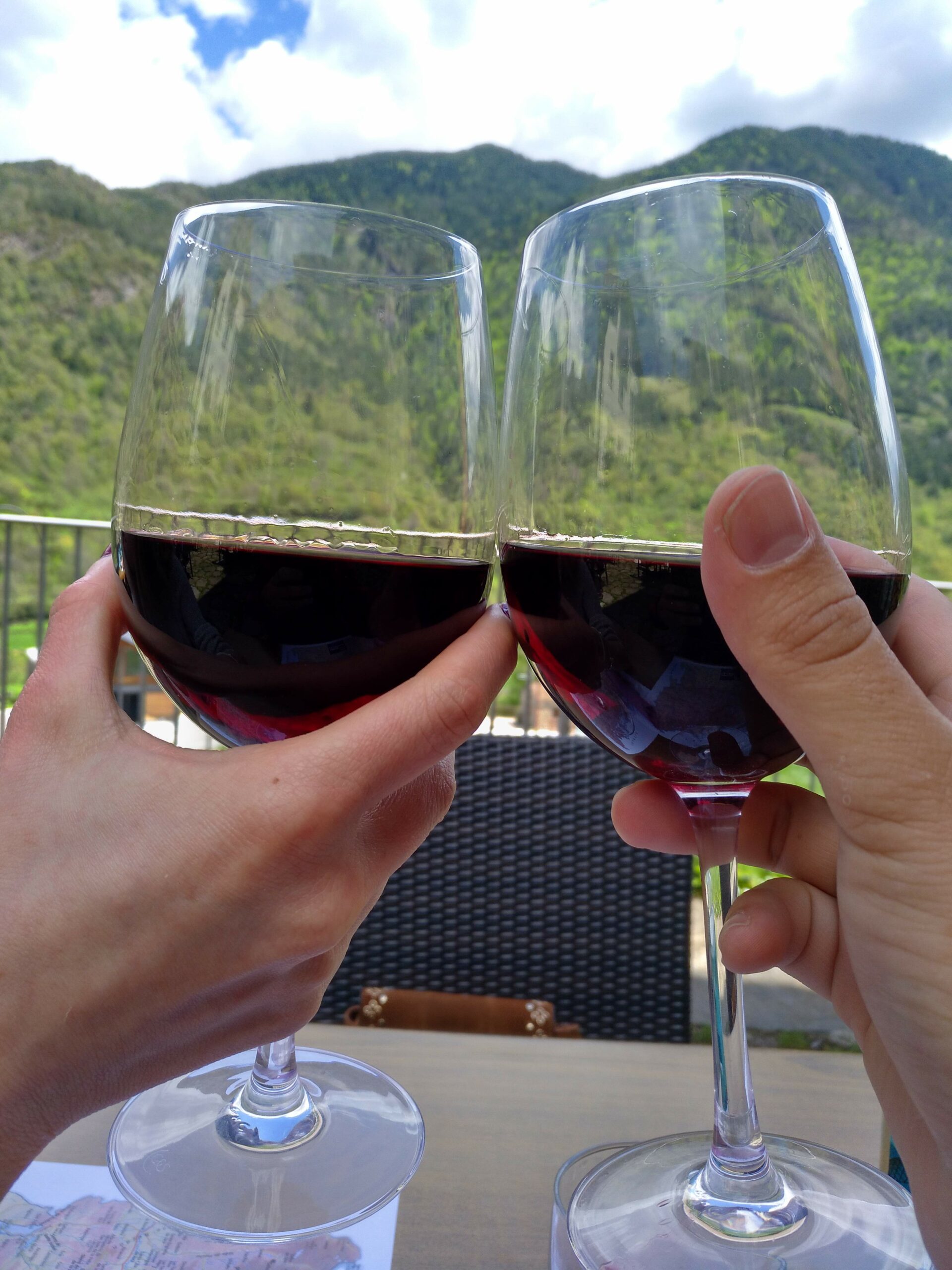
    Once you keep these tips in mind, all you have to do is enjoy European Garnacha/Grenache Quality Wines. Just one sip of these new wines is enough to understand their complexity, good balance and structure, and enjoy their authentic flavor.

  • High reputation of Garnacha/Grenache wines, endorsed by the EU

    @Ruta del Vino de la Garnacha

    Garnacha/Grenache wines are recognized for being grown in a traditional way but also for their high quality and prestige. That’s why they have the quality certification established by the European Union in two regimes: “PGI“, or Protected Geographical Indication, and “PDO“, Protected Designation of Origin. These two quality schemes absolutely guarantee that the wines with this indication originate in the region, which protects their reputation in the market, and they also explain why the production of Garnacha/Grenache has such a demanding process.

    The PDO and IGP labels allow the Garnacha/Grenache wineries to offer their customers transparent information on the origin of the wine.

    The “farm-to-table” movement is on the rise around the world, particularly in the United States, as more and more people choose what they consume based on what is in the product. Thus, European PDO and PGI foods and wines not only inform consumers about the specific region where they originated, but also express a reputation for excellence by referring to that region. And this absolutely guarantees its quality.

    @Les Clos de Paulilles vignoble

    But let’s explain what exactly each one of these labels means. The Protected Geographical Indication (PGI) is granted to products originating from a region with great prestige in terms of its cultivation methods and processed products. Wines with this identification are considered to be of quality due to their good name, variety or other characteristics attributable to their place of cultivation. Here the emphasis is on the geographical origin of the product. For this reason, people who buy wine get a better idea of where it comes from and the background of the wineries that make it.

    The Protected Designation of Origin (PDO) refers to the name of a region whose geographical environment promotes products of quality and excellence. The wines with this indication are produced exclusively in a certain area, from the cultivation of the grapes to the manufacture of the bottle, which means that all the production and transformation is carried out in the region of origin. This seal of quality adds value to the product compared to its competitors: it offers the consumer a clear map of the entire process, from the vine to the table. There are five PDO vineyards in the northeast of Spain that are specialized in the Garnacha grape variety: Calatayud, Campo de Borja, Cariñena, Somontano and Terra Alta.

    There are also Grenache vineyards with 13 PDO in the Roussillon areas in France -Banyuls, Banyuls Grand Cru, Collioure, Côtes du Roussillon, Côtes du Roussillon Villages, Côtes du Roussillon Villages Latour de France, Côtes du Roussillon Villages Lesquerde, Côtes du Roussillon Villages Caramany, Côtes du Roussillon Villages Tautavel, Côtes du Roussillon Villages Les Aspres, Maury Sec, Maury, Rivesaltes, – and  2 PGI – Côtes Catalanes, and Côte Vermeille.

    By understanding what the PGI and PDO labels mean, consumers can place Grenache wine varieties in their regions of origin, renowned for their traditional production methods and consistent quality.

    The result is that specific flavor of the wine, unmatched, due to the geographical conditions. Grenache vineyards are internationally recognized for the sustainability of the production process (impeccable use of current resources) and for producing millions of hectoliters of delicious PDO and PGI wines each year.


  • Journalists and professionals from the U.S. travel to the cradle of Garnacha/Grenache in Europe

    The Garnacha Origen Association and Roussillon Wines (Conseil Interprofessionnel des Vins du Roussillon) have launched a campaign, co-financed by the European Union, to promote quality Garnacha/Grenache wines in the United States. To this end, two trips were organized: one for prominent media outlets and another promotional one for trade professionals from this country. In both cases, the aim was to educate the American public on the European quality schemes on which Garnacha/Grenache wines are produced.

    The two trips were also intended to bring these experts closer to the cradle of Garnacha, to the three Spanish PDOs –Calatayud, Campo de Borja, Cariñena– and the Roussillon areas in France: four PDO –Côtes du Roussillon, Côtes du Roussillon Villages, Rivesaltes and Maury Sec– as well as one Protected Geographical Indications (PGI) in the south of France –Côtes Catalanes-.

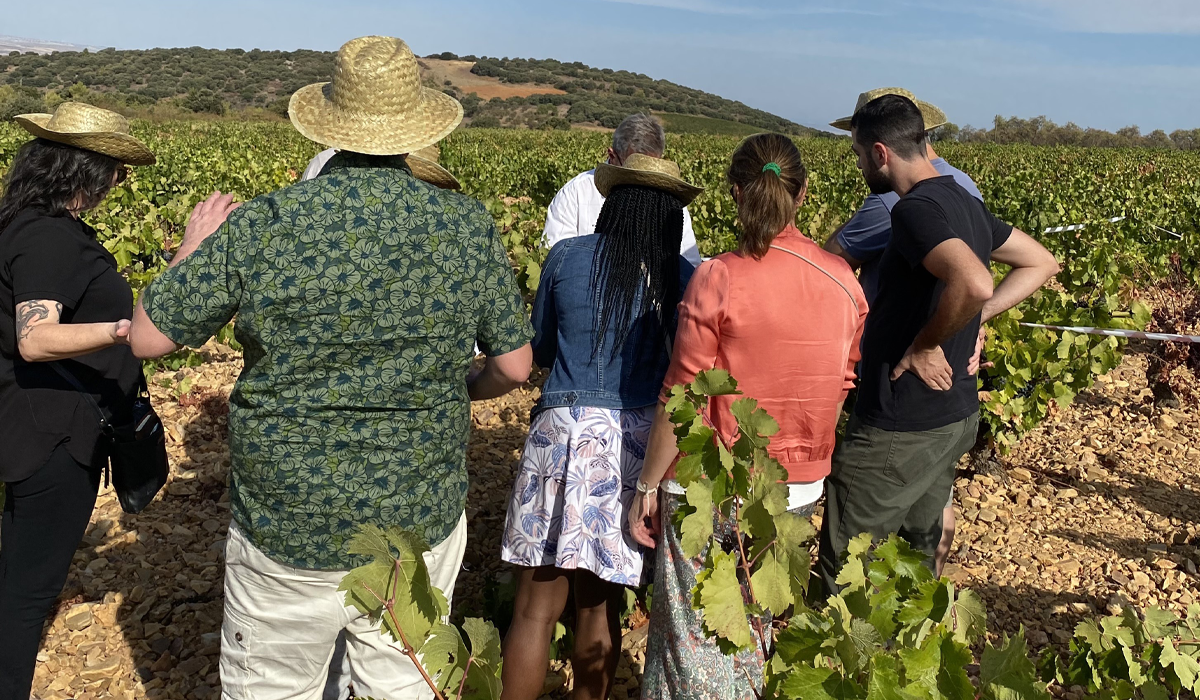
    The purpose of the trips for these professionals was to get to know first-hand and learn the exciting world surrounding Garnacha/Grenache (one of the oldest and most widely planted grapes in the world) in its different aspects, including the European production model, specifically the Quality Schemes. They were able to try innovative wines made with this variety. They also learned about the characteristics of this grape and its adaptation in the growing areas. In addition, they learned about the know-how of the producers in these areas and emerged themselves in the long tradition that are behind these wines.

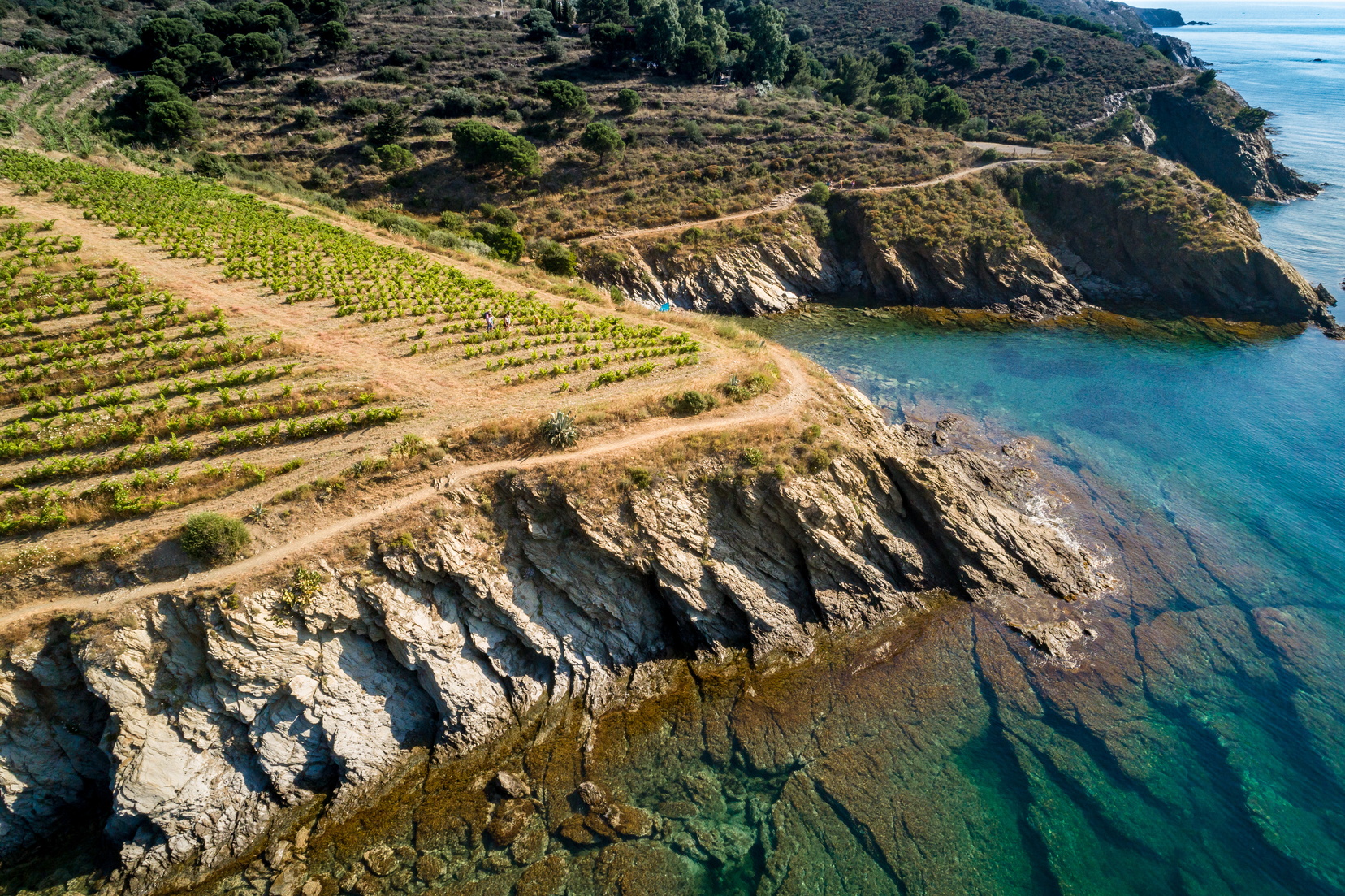
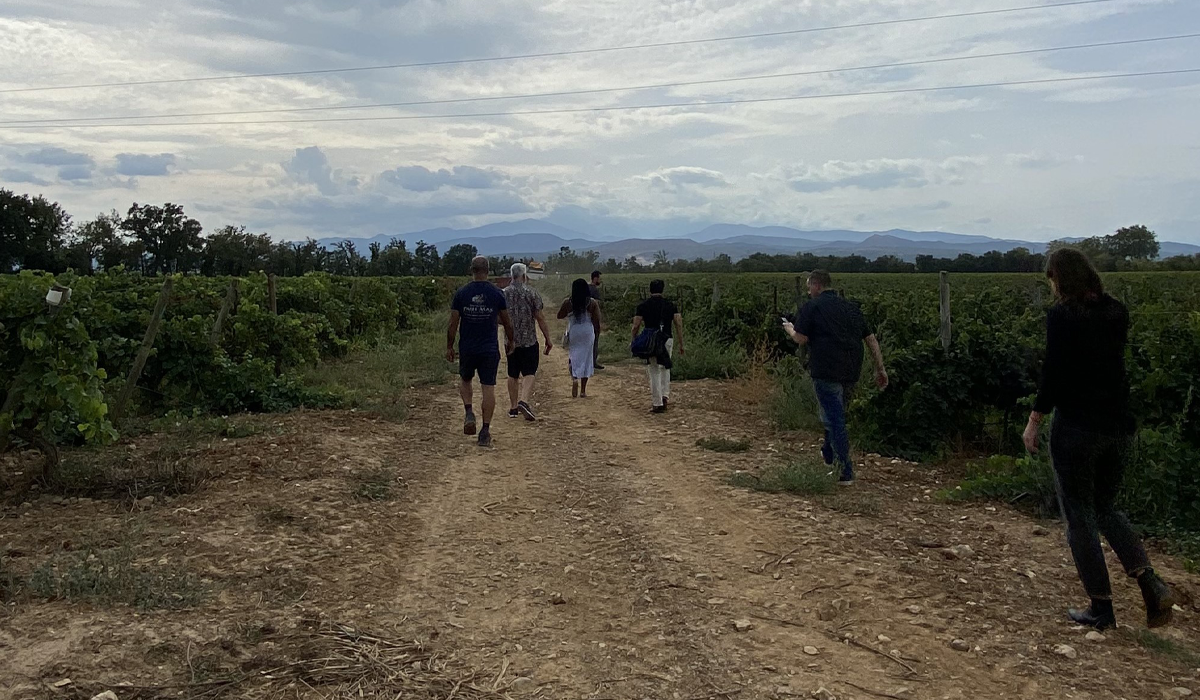
    They were also able to visit vineyards and producers in both countries and had a unique experience because, in all cases, European Garnacha/Grenache wines are kind to the American palate and offer incredible quality. In addition, they toured the area of Roussillon, a historic region of France where, thanks to its excellent climate and various “terroir” land, it has become an high-quality vineyard with vines grown often on narrow terraces.

    In these places, the North American professionals learned that the cultivation of Garnacha is much more than a job: it’s a family and cultural legacy that is passed down from generation to generation. It is the heritage of a land and the result of the fusion between ancestral knowledge and new contributions in research and development (R&D).

  • Old vines: a tribute to European origins

    The winegrowers of the cradle of the European Garnacha/Grenache variety (PDOs of – France– have bet, during the last decades, for the quality and, character of monovarietal wines and the attachment to the land. In fact, Europe holds the highest concentration of old vines in the world, ranging from 40 to +120 years old. Although its history goes back much further in time, having carbon-dated seeds from 153 BCE.

    © Elena

    And that is the philosophy of the winemakers who work with Garnacha: to respect their natural environment, also the old vines and the fruit that comes from them as much as possible, integrating innovation while respecting the best winegrowing and winemaking traditions. The strong link to the land is due to the resilience of Grenache, which is able to take advantage of the passage of time to produce its best concentrated fruit, unlike other varieties. Quality of wines is determined by European Garnacha/Grenache intrinsic characteristics, expression of terroir and traditional know how mixed with innovative winemaking.

    The quest for perfection has made the Garnacha variety widely acclaimed by wine lovers around the world. Almost 93% of the vines of this variety are planted in Europe, where France and Spain have the largest share (54.9% and 41%, respectively), and of these vines, many are decades old. Grenache prides itself on its European heritage and its ability to deliver complex, structured and well-balanced wines.

    Oldvines, superior wine

    Grapes from historic Garnacha/Grenache old vines in Europe offer amazing characteristics and result in the richest, most concentrated wines on the planet.

    But why do these grapes from old vines produce such a magnificent treasured wines? Here are some of the reasons:

    © Bodegas San Alejandro
    1. Low yields. Older vines produce fewer and smaller, but concentrated berries, which give a better result. With fewer berries, the vine can devote more resources to each berry, enhancing the rich concentrated flavors.
    2. Smaller berries provide more color and structure. Being a thin-skinned, pale and not very tannic variety, old vines produce smaller berries, which increases the wine’s color and tannins and creates a more harmonious wine.
    3. Strong roots increase quality and consistency. Grenache grows in warm, dry arid regions, but excessive heat and lack of water can threaten even the most resistant varieties. The strong, deep roots of old Garnacha vines make it possible to resist and produce high quality wines even in difficult vintages.
    4. Deep roots enhance terroir-specific minerality. European Garnacha wines are terroir-led, being able to express where they come from as the roots of the vines grow, they are able to imbue the wines with minerality.
    5. Sustainability. Old vines are survivors and make the best of a bad situation (poor soils and extremely arid climate). At the World Conference on Climate Change and Wine held in Marbella (Spain) in 2011, Garnacha was referred to as “arguably the most environmentally friendly grape in the world and prepared for climate change”.

    Winemakers in the European appellations where it’s naturally adapted to explain that Grenache variety “adapts well to extremely dry climatic conditions and can be grown with environmentally friendly viticulture practices.”

    Old vines, which are abundant in the European vineyards of northeastern Spain appellations and Roussillon Geographical Indications in France, produce even more concentrated and terroir-specific wines due to their low yields and deep, well-established roots. Increasingly, winemakers are turning to these old vines, especially in high-altitude sites to make elegant, complex and age-worthy wines. With yields ranging from 1 to 1,5 kilo per vine, making each bottle a European treasure.