Blog

  • European Garnacha/Grenache looks to the future

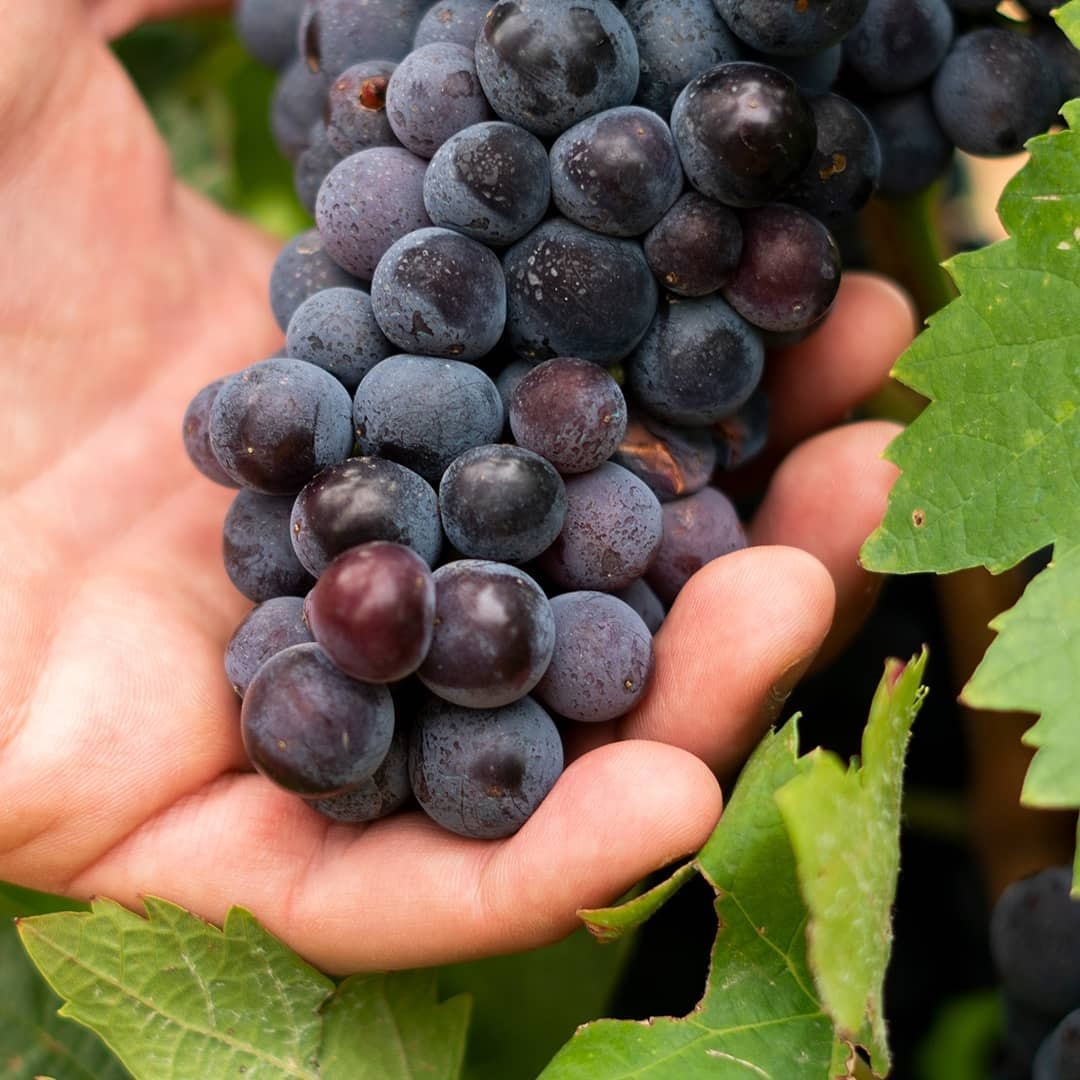
    Known as Garnacha in Spain and Grenache in the south of France, this versatile grape is set to be a key player in the wines of the future. Although most people know it for its role in blends, a new generation of European winemakers, specifically those based in eastern Spain and Roussillon in France, are making innovative wines that will be the talk of the town in the near future.
    © Bodegas San Alejandro

    Just one sip of these wines is enough to understand the capacity of Garnacha/Grenache and to be a trend in markets such as the United States. And it’s causing a sensation because the public has realized that they are complex, high quality, structured and balanced wines. These wines belong to the Calatayud, Campo de Borja, Cariñena, Terra Alta and Somontano appellations in northeastern Spain, and to the Roussillon appellation in southern France.

    Viticulture experts believe it is a wine with a future for several reasons:

    1. Old vines that used to be discarded for their low yields are now a cause for celebration for their rich expressions. The properties of this type of old vines are indisputable; they offer better grape quality, and have a greater capacity to self-regulate, manage their forces, and adapt to the environment in terms of water and nutrients. In the past, young vines were valued for the production they provided, but today quality is closely linked to low yields per vine, which is ensured by these old vines. They favor obtaining better fruit, with greater concentration, and subsequently supreme wines, because careful attention in the field is fundamental for these results. This change of concept means that Garnacha/Grenache is better considered in the market and has better prospects in terms of demand for the future.
    1. Growing conditions at elevations ranging from 1,000 to 2,950 feet are now better understood.
    2. The grape’s varied expressions make it a good match for a wide variety of dishes, and it served at diners’ tables because of its great food pairing capabilities.
    3. Its production is artisanal, but the producers of these appellations invest in technology, which allows them to experiment and offer a wide range of styles and wines that reveal a surprising diversity.
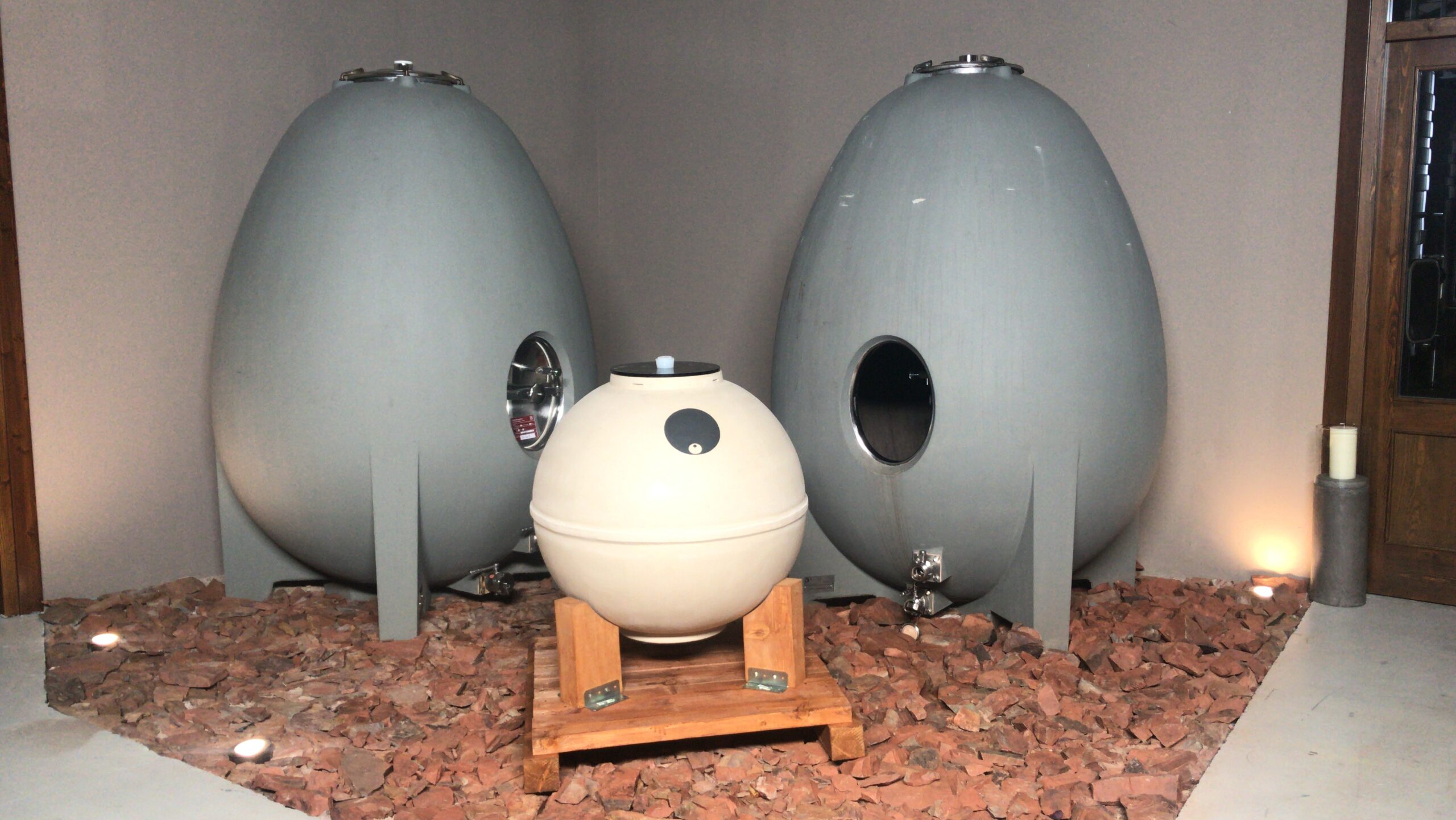
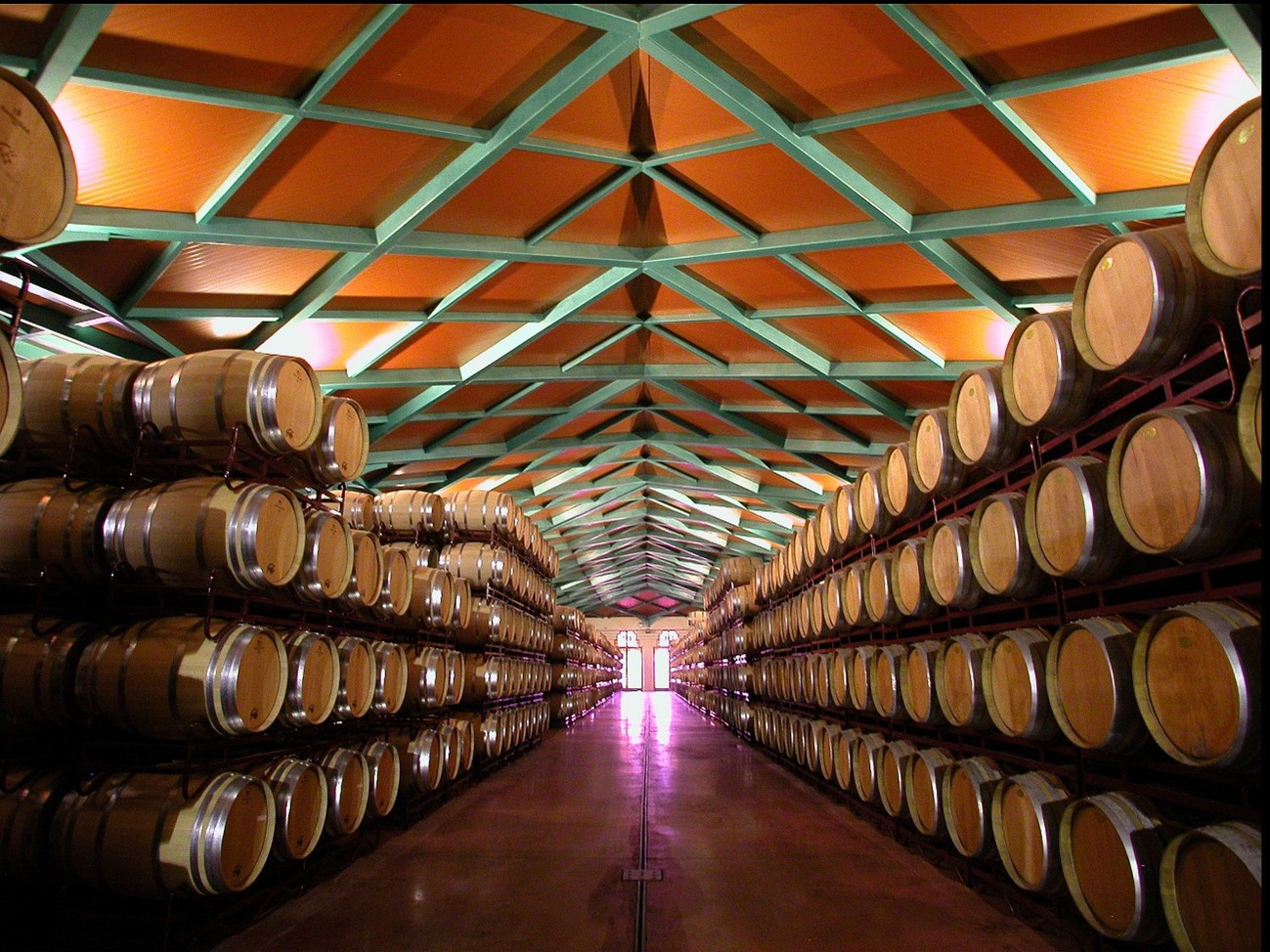
    4. Careful harvests are carried out and experiments are made with various fermentation vessels in addition to better selection of barrels to preserve the wines and improve them.
    © Grandes Vinos
    1. 27% of regular wine consumers in the United States can recognize the PGI (Protected Geographical Indication) and PDO (Protected Designation of Origin) logos of ‘European Garnacha/Grenache quality wines’, compared to 16% the previous year. This is explained by a better understanding of the meaning of these identifications; moreover, 3 out of 4 consumers consider these logos to be a guarantee of the geographical origin of the wine and its traceability, and more than 60% of those surveyed consider them a guarantee of quality, according to a Vinitrac® study conducted by Wine Intelligence.

    For all these reasons, Grenache is proving to be a competitive and attractive variety and its consumption is on the rise. The American public in general is constantly looking for novelty and authenticity, and Garnacha/Grenache has an excellent image in this regard.

    Moreover, this variety is currently the tenth most consumed red grape variety in the United States, tied with Tempranillo and Pinotage. And it is undoubtedly a dynamic rival to the top three, which are the classic Merlot, Cabernet and Pinot Noir.

    The US market is the world’s leading consumer of rosé wines, and everything suggests that it will soon open to these alternatives in other colors such as whites, in which Garnacha/Grenache excel.

    In the U.S., 22% of regular wine consumers. tasted Grenache in the last six months of 2022, six points more than in the same period of the previous year, according to the study. What’s more, Garnacha/Grenache sales in this country reached 30,544 hectoliters worth $55.6 million in 2021, 4.1% more than in 2019 (according to Nielsen).
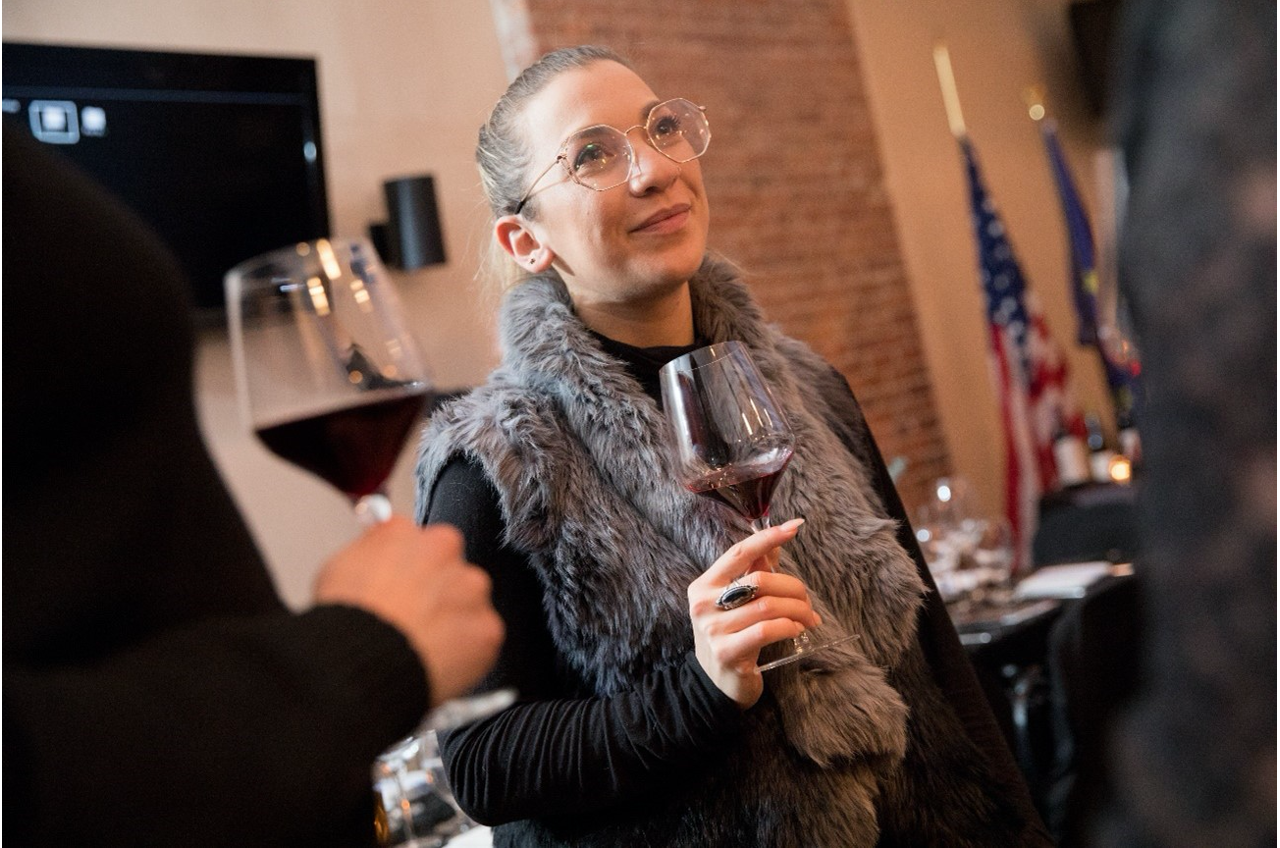
  • European Garnacha/Grenache makes a strong showing at the TexSom fair (USA)

    The European variety Garnacha/Grenache has achieved a great reception among the best prescribers and professionals in the US during the celebration of one of the most relevant events in Texas: the TEXSOM Conference. Beverage professionals, wine industry experts and sommeliers gathered here to see first-hand the different benefits of European Garnacha/Grenache Quality Wines.

    The event took place August 27-29, 2023, at the Irving Convention Center at Las Colinas in Dallas, Texas, where the European Garnacha/Grenache Quality Wines program had a formidable presence, bringing the grape to the forefront through countless promotional actions and exhibitions.

    In addition to a sponsored lunch, Garnacha/Grenache was present at a tasting that took place with three tables attended by a significant number of people. A selection of US imported wines of this European variety was presented and were well received by professionals.

    On August 28, a lunch with wine pairing was organized in which the attendees of the Texsom Conference (about 40 people) were given the opportunity to taste several wines from the ‘European Garnacha/Grenache Quality Wines’ program, so they could confirm their quality, delicious taste and high pairing capacity.

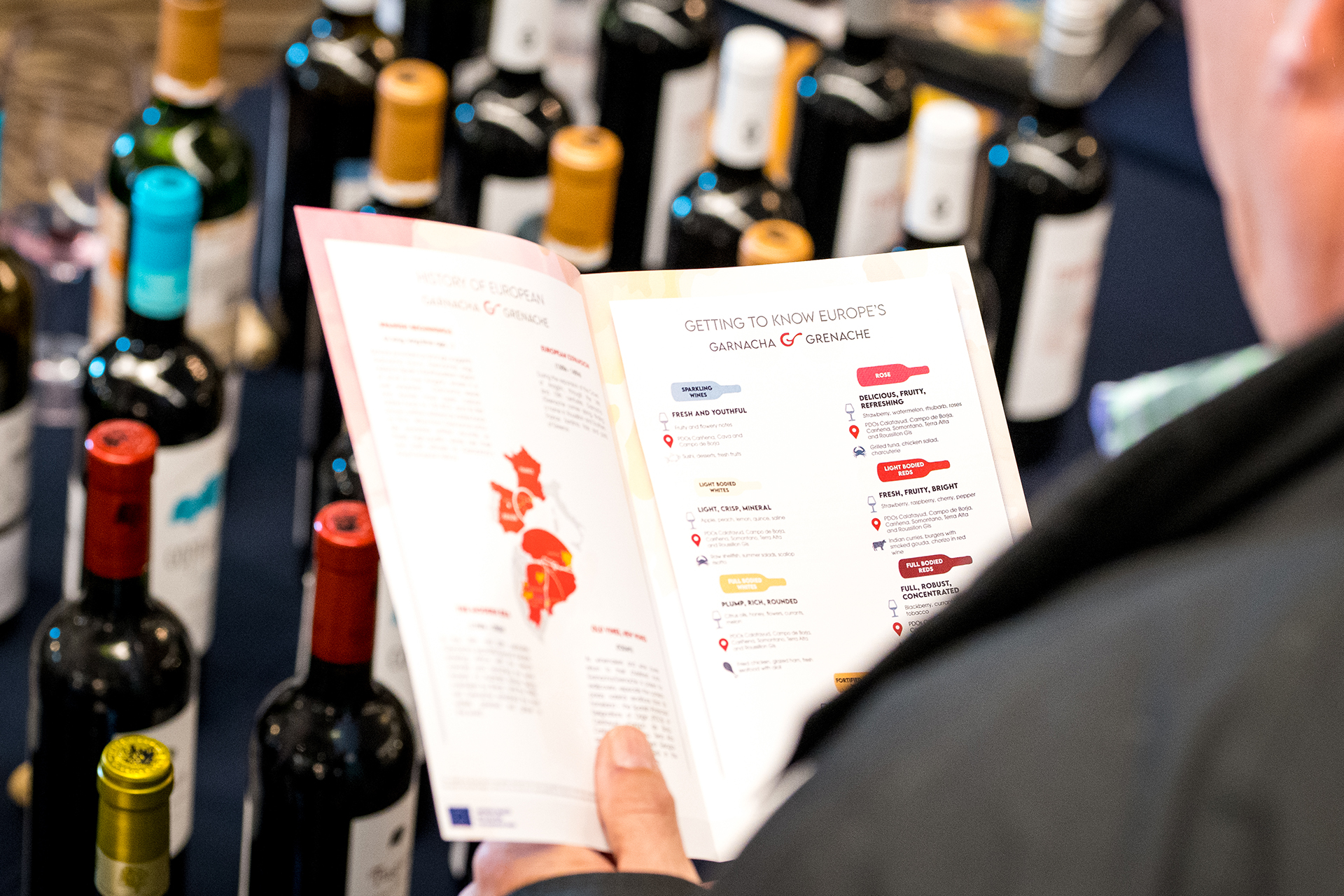
    Carolina de Funes, manager of the program “European Garnacha/Grenache Quality Wines”, from Garnacha Origin Association showed attendees the wide variety of wines made from Grenache, as well as their history and growing areas (mainly in southern France and northeastern Spain).

    She also explained that Garnacha originated in northeastern Spain around 150 B.C. and expanded under the crown of Aragon to incorporate Roussillon, which is now located in France.

    The area represented by the “European Garnacha/Grenache Quality Wines”, approximately 54% of the wine-growing area, is in France, and 46% in Spain.

    Carolina de Funes pointed out that “Garnacha is so versatile that it can be used, and in fact is used, to make all kinds of wines, from sparkling, to whites, rosés and reds, to fortified wines”. In addition, within these categories are light and full-bodied red and white wines.

    TEXSOM was founded in 2005 as the Texas Conference of Sommeliers to deepen beverage certification and Garnacha/Grenache was one of the great protagonists of this meeting precisely because of its appellation of origin and its outstanding European quality parameters.


  • Garnacha/Grenache showcases its quality and European origin at SommCon in San Diego

    The Garnacha/Grenache is an international symbol of quality with European origin that is creating a trend in the USA. These unique wines have once again been the protagonists of one of the most awaited meetings of the wine sector: SommCon. It was held on September 10 through 12, in Town and Country Resort, San Diego (USA).

    During the two days of Expo Hall, attended by wine and trade professionals and influential experts in the beverage industry, European Garnacha Grenache Quality Wines offered a tasting of Grenache wines – a selection of wines belonging to the “European Garnacha/Grenache Quality Wines” program – was organized at a dedicated booth. There, attendees were able to taste first-hand the quality and flavor of these European wines.

    At this event, the attendees were shown how Garnacha/Grenache wines have the guarantee of being a European quality product with all the advantages that this entails, for example, they comply with European standards of sustainability, animal welfare, food safety, traceability, labeling, nutritional and health aspects and respect for the environment. And they are covered by EU quality schemes: Protected Designation of Origin (PDO) and Protected Geographical Indication (PGI).

    In addition on Monday, September 11, a pairing dinner was held to taste different grenache wines. Here the public had the opportunity to see all its expressions: from whites to reds, including sparkling, sweet, or fortified wines and its great pairing capacity.

    A seminar during the dinner, led by one of the world’s leading experts Eric Aracil, Associate Manager of this European program, allowed the attendees to learn about the seventh most world planted grape variety and its European quality standards.

    A 92.8% of the world’s Garnacha grapes are planted in Europe, with Spain and France leading the way in terms of concentration of Grenache and old vines. Garnacha wines are elegant, balanced, and fruity wines and thanks to that they win numerous international awards.


  • New York pays tribute to Garnacha /Grenache at a memorable international reception

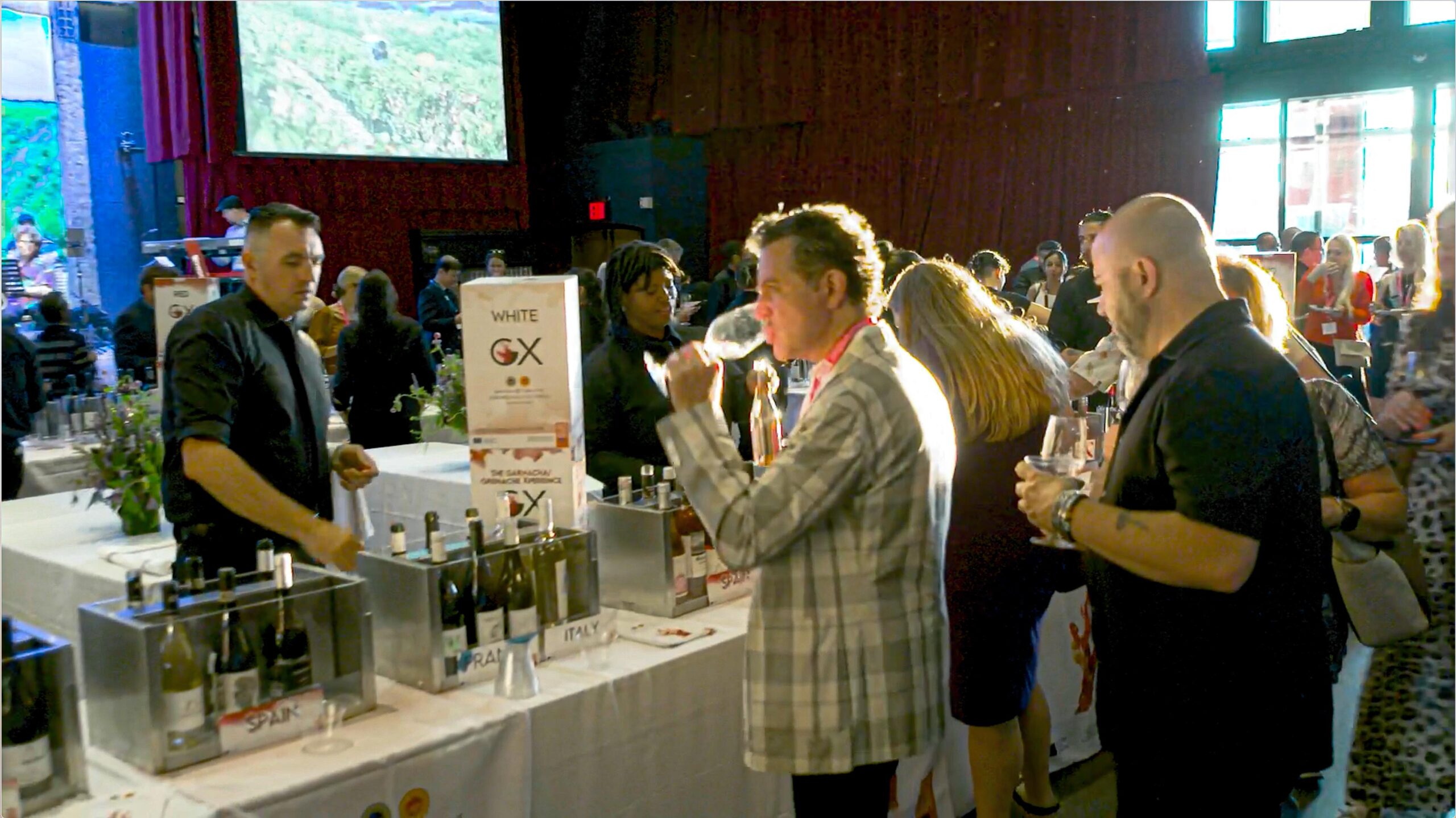
    On September 14, 2023, a magnificent international reception was held in honor of the European Garnacha/Grenache grape. It was held at the exclusive and emblematic City Winery event venue in the heart of New York City, that was transformed into a vineyard where 200+ guest linked to the world of wine gathered to pay tribute to one of the most unique and booming variety in the USA: Garnacha/Grenache.

    The event was attended by wine connoisseurs, professionals and opinion leaders, representatives of the trade, the hotel and catering industry, wine associations, producers of “European Garnacha/Grenache Quality Wines”, journalists, influencers, members of the jury and winners of the International Competitions Grenaches du Monde (organized in June).

    The reception turned out to be a perfect tribute to those who work this trending variety, to the best wines made with this grape -rewarded with a prize-, but also to the Garnacha/Grenache variety itself, unique in the world, which celebrated its festival (Garnacha Day) the following day, September 15. The cherry on the cake was Mayor Eric Adams’ Proclamation declaring “International Garnacha Grenache Day 2023 in the City of New York”.

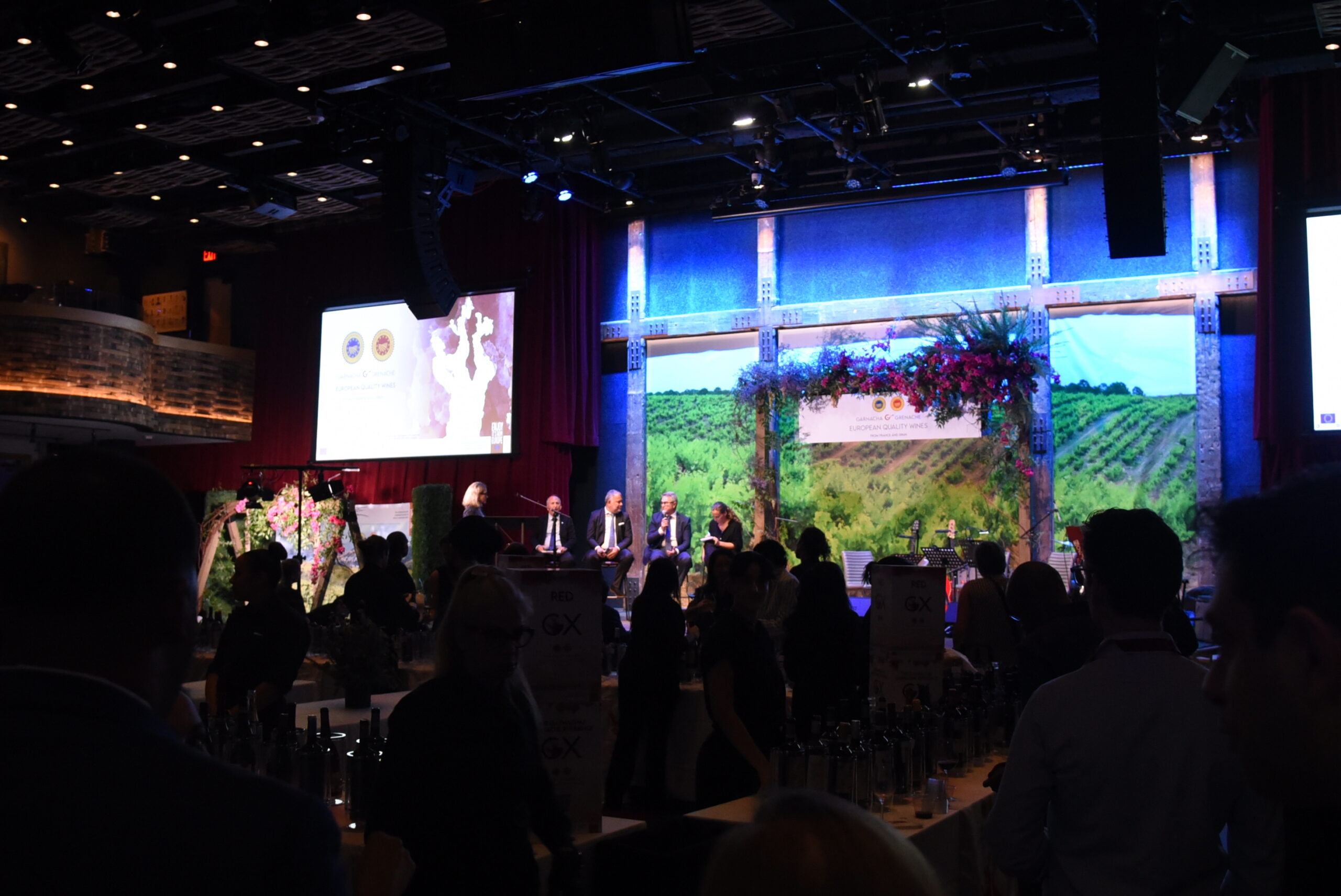
    Then, in the main hall, the master of ceremonies, Christy Canterbury, and the presidents of the associations that are part of the Program, José Antonio Briz of the Asociación de Garnacha Origen, Stéphane Zanella of the Conseil Interprofessionnel des Vins du Roussillon (CIVR) and the president of the “Grenaches du Monde” competition, Fabrice Rieu, welcomed the attendees.

    The master of ceremonies presented the European Garnacha/Grenache Quality Wines program, as a very ambitious project co-financed with the European Commission whose objective is to improve the competitiveness of Garnacha/Grenache, so that it continues to grow worldwide. She also spoke about the two associations that promote this program both in Spain and France, and all their activities to promote this quality variety.

    All this information was completed with the intervention of the two presidents of the Spanish and French associations -José Antonio Briz of the Asociación de Garnacha Origen and Stéphane Zanella of the Conseil Interprofessionnel des Vins du Roussillon (CIVR) – with the projection of a video on the three years of the Garnacha/Grenache Program in the USA, a priority market for growth and where this variety is being very well received by the public due to its attractive price, its special characteristics and its guarantee of origin.

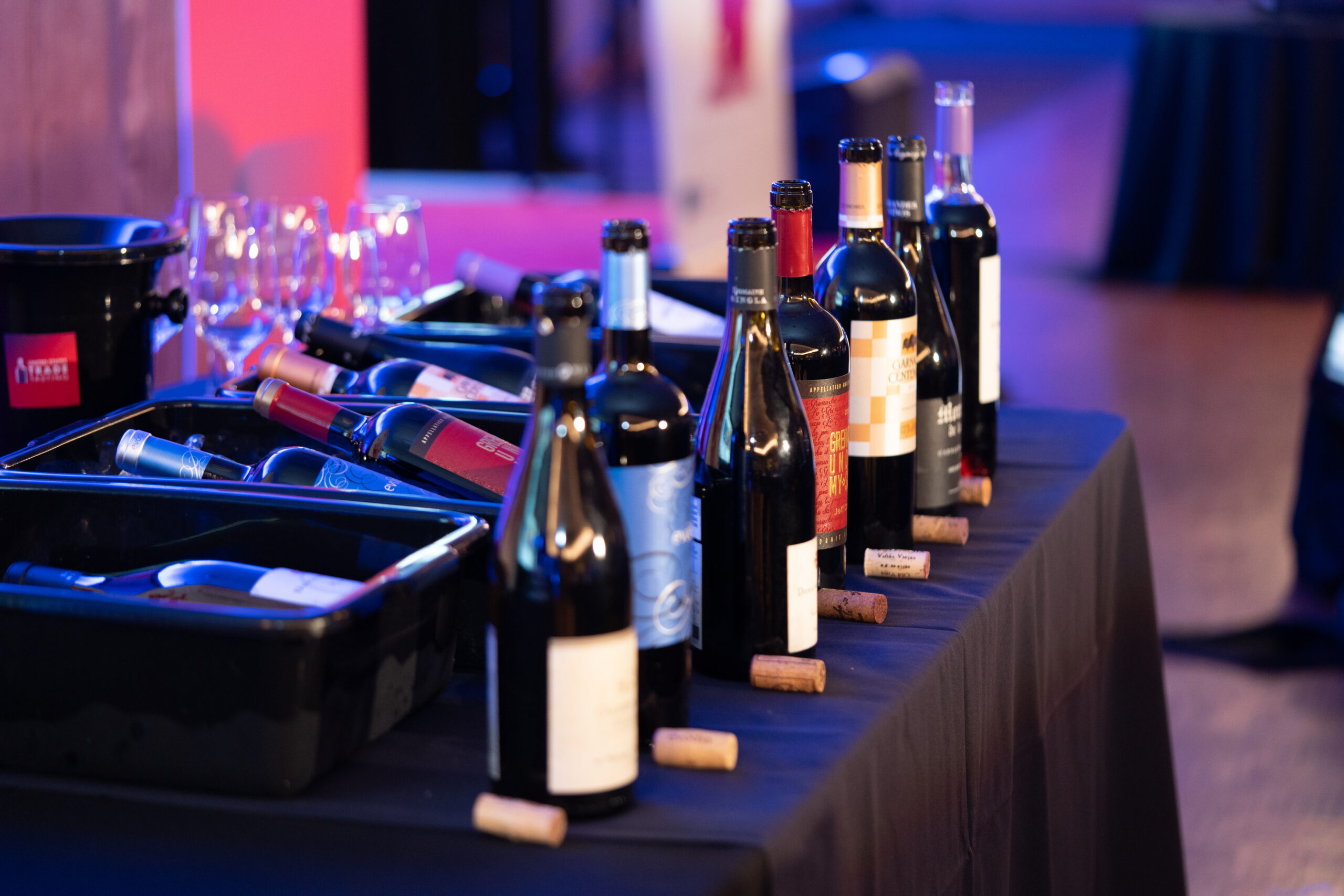
    Around 7:00 p.m. in the evening, a grand tasting of wines that were awarded during the International Competition Grenaches du Monde was held. Through this great tasting, the attendees were able to taste ones of the best wines made from Garnacha/Grenache in the world. For memory, those wines had been tasted, evaluated and awarded by the jury of the competition which was composed by personalities and professionals from the American wine industry and press.

    All in all, the evening in the heart of New York City became a magical, festive, and memorable gathering around the fascinating Grenache universe.

  • The different harvests of European Garnacha/Grenache

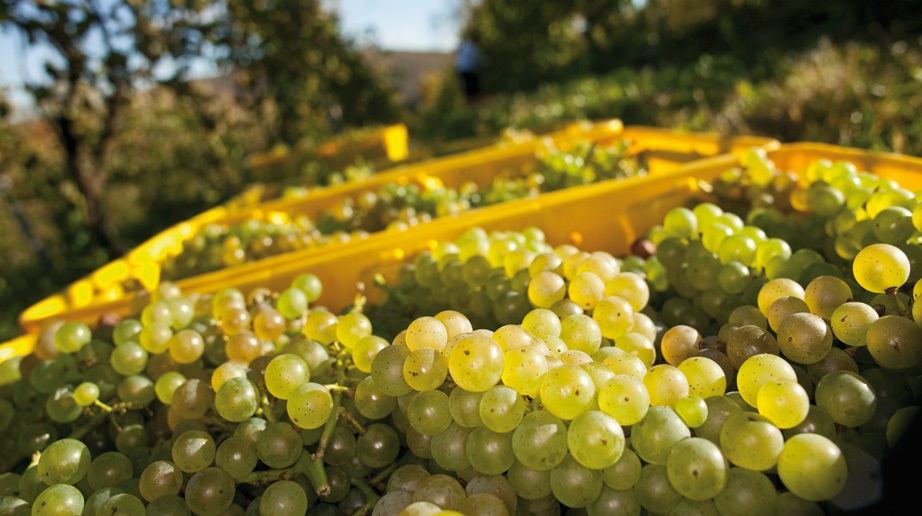
    The harvesting of European Garnacha/Grenache grapes is a key moment in the winemaking process. It’s done according to certain factors that influence the result, mainly those related to climate, soil composition and the topography of the terroirs where the grapes grow. In the areas where it is grown (northeastern Spain and southern France) the grapes are normally harvested in the summer, beginning in August, and ending almost in autumn, beginning of October for some fortified sweet wines or mid November for big altitude vineyards.

    @BodegSanValero

    However, in recent years, the increase in temperatures has accelerated the development stages of the crop, which is why the grape harvest has been early by about 10 days compared to previous seasons.

    As a rule, the date is established by controlling the percentage of sugar and the evolving of acids present in the fruit, thus choosing the best time to harvest the grapes depending on the type of wine to be made. The control of the lost of weight for the bunches, the sanitary stage and quality of the berries are also very important to decide the moment to harvest. Nowadays, thanks to a good knowhow, the starting of the crop is also mainly launched according the general taste of the fruit.

    For example, in the Protected Designation of Origin (PDO) Calatayud, in the most southwestern area of the province of Zaragoza, the harvest begins at the end of September and can last until mid-November, since the altitude of the vineyards delays the ripening of the grapes. The vineyards descend the slopes of the sierras, with altitudes ranging from 550 to 1,040 meters. Under these climatic conditions, slow ripening of the berries is favored, which reach perfect phenolic ripeness. Although if the vines are planted at higher altitudes (1,500 meters), it is very likely that growers prefer to harvest the grapes earlier.

    In the PDO Campo de Borja, the altitude of the vineyards varies between 350 and 700 meters above sea level. The soils are chalky and rich in nutrients and extend between the regions of Campo de Borja, Tarazona and Moncayo. In the 6,270 hectares (16 municipalities), the harvest generally begins in late September or early October.

    Also, in the PDO Cariñena, grapes are harvested in early September. The vines here are deployed in the province of Zaragoza, whose center is the town of Cariñena, one of the oldest production areas in Spain. When the grapes are located at higher altitudes the grapes are picked earlier to balance the acidity and flavors of the berries in whites, rosés and sparkling wines.

    In the PDO Somontano. Harvest can begin in mid-August with the harvest of the first bunches of white grapes and can conclude in October with the red Garnacha Tinta grapes in one of the highest altitude areas of Somontano.

    In the PDO Terra Alta, a Spanish appellation of origin located in the west of the province of Tarragona, between the Ebro River and the border with Aragon, where the vineyards are between 350 and 550 meters above sea level and are located on terraces due to the orographic characteristics of the terrain. In general, the peculiarities of the terroir make them of medium and late ripening that allow the development of the specific viticulture of the production area.

    In the Roussillon wine region of France, the most frequent harvesting period is mainly during the month of September, although each of the country’s wine-growing regions has different times.

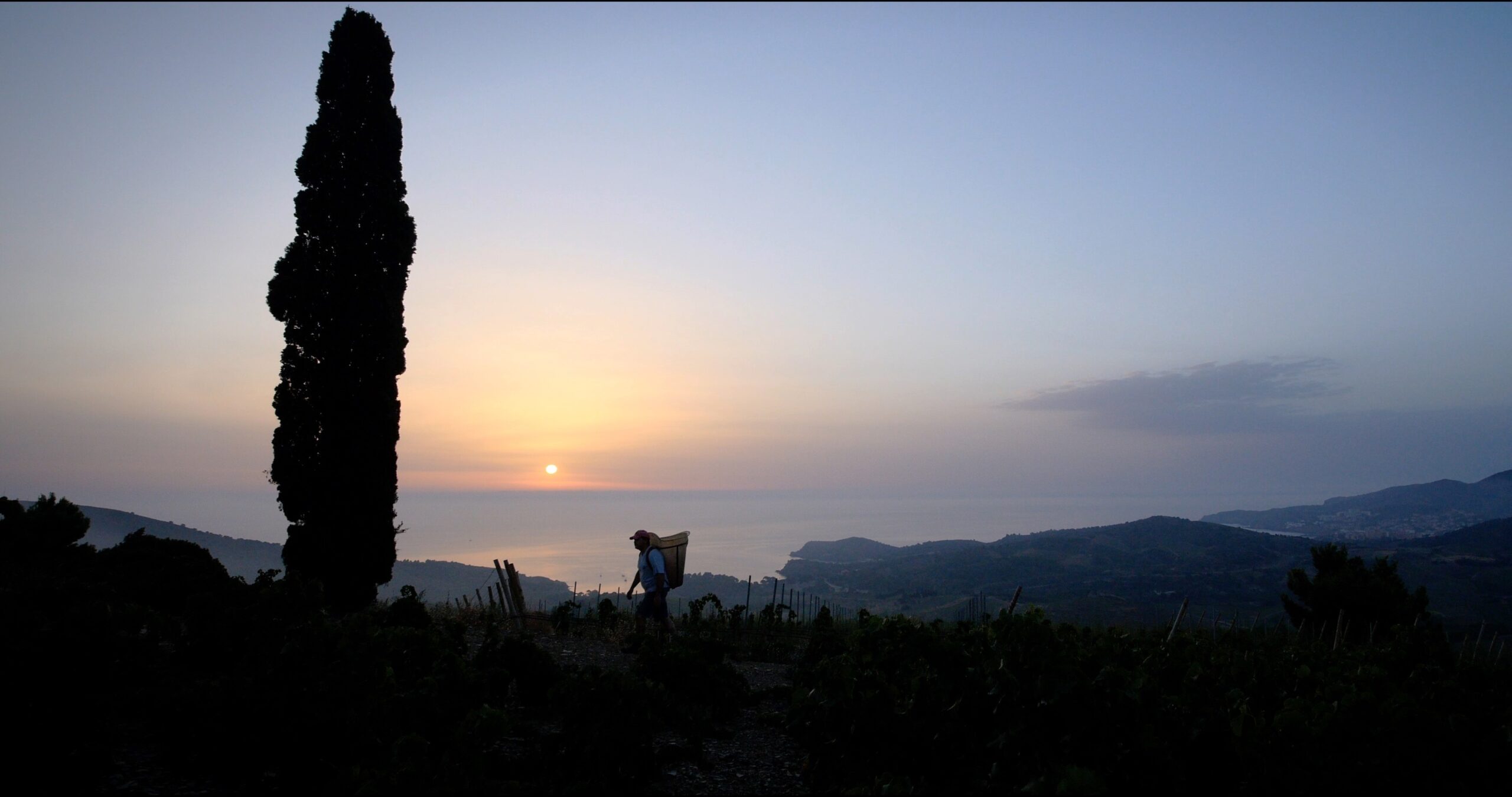
    For example, within this French area, we can highlight the PDO Banyuls and Banyuls Grand Cru, whose schist soils house the vines on terraces overlooking the Mediterranean Sea or inland valleys. Because of their conditions (narrow terraces on slopes and the influence of the sea), the grapes are harvested only by hand, usually in August-beginning of September. The bunches are transported to the cellars, which are usually located in the middle of the vineyards.

    In the PDO Collioure or In the Protected Geographical Indication (PGI) Côte Vermeille, the vines also grow on a balcony of gray shale overlooking the Mediterranean. Ravines and hills alternate, and the vines are established on very narrow terraces. The combination of these unique soils, the intense sunlight, and the sea results in a very special microclimate for this appellation. Harvesting of these vines usually takes place between August and beginning of September as well.

    In Mediterranean terroir, ancestral techniques are applied to separate the vines by means of stone walls, thus limiting soil erosion. Because of the high altitude and inclinaison of the slope, harvesting in these vineyards is heroic as it is a precise job that requires a lot of effort and time, thus vine-grape production costs but also guaranteeing excellent results.

    @VinsduRoussillon

    In other hands, the majority of the Roussillon production, with PDO Côtes du Roussillon, PDO Rivesaltes and PGI Côtes Catalanes, which are from the Mediterranean sea to 250 meters high average slopes, on different terroirs, are harvested in September.

    More in the north of this Roussillon wine region of France, PDO Maury, Côtes du Roussillon Villages & Communal PDO can be harvested until mid-October.

    In general, in each one of the PDOs and PGIs where European Garnacha/Grenache Quality Wines is grown, to respect the quality of the fruit from the first cut to the cellar vinification, the harvests are : early in the day, late in the day or even at night.

    Climbing harvest. It is carried out at different times depending on the degree of ripeness of the fruit.

    Late harvest. When there is an interest in producing wines with a high alcohol content, late harvesting is used. In this case, harvesting is delayed, which increases the amount of sugar contained in the fruit.

    Night harvesting. During the night hours, enzymatic activity is low and helps the grapes not to lose their aroma and avoiding oxidation. It is ideal for obtaining very fruity wines with good acidity.

    Grape harvesting will also vary depending on the method used. The two types that exist are manual and mechanized harvesting.

    Manual harvesting. This method is carried out by selecting and picking the bunches of grapes by hand. It is a costly and time-consuming technique. In addition, the workers must have a certain amount of training to do it correctly. There is also the selective method, in which grapes from the same vineyard are picked and selected according to their quality.

    Mechanized harvesting. In this case, in a flat land or with low and regular slope inclinaison, harvesting is done with agricultural machinery. The vineyard must have a trellis, which is a structure formed with wires and posts that allow the vine to grow around it.

  • The price of European Garnacha/Grenache surprises in the US

    European Garnacha/Grenache wines are recognized for their prestige. But, in addition to their excellence, these remarkable wines, full of personality, have another great advantage for the American public: the good value for money.

    © J. Muñoz

    An adult consumer can buy a bottle of Garnacha/Grenache wine for $12.8 in the US, which is below the average price of these quality wines. According to a study prepared by the Instituto de Comercio Exterior (ICEX) in 2020, a bottle of wine from Spain sold in a specialty store, in Manhattan, can cost between 14.85 $ to 23.39 $.

    The affordable price of Garnacha/Grenache makes it very attractive to the general public and to young consumers in particular. Carolina de Funes, manager of the program ‘European Garnacha/Grenache Quality Wines’ considers that this variety “deserves a good position especially among millennials, a wine that can be a trend-setter for its blend of authenticity and powerful fruity aromas”.

    In other hand, it is also possible to find bottles of Grenache from France in relative “high price”, between 45 and more than 200 $. In those cases, the consumer will be very surprised by the high-level quality and he will appreciate the price for this quintessence.

    In addition to the attractive or very good quality/ price, this European wine conquers the American public for more reasons, among them, its taste, its guarantee of traceability, food safety and identification in the labeling through two regimes: ‘IGP’, or ‘Protected Geographical Indication’, and ‘DOP’ or ‘Protected Designation of Origin’. In fact, these regimes guarantee that wines with this indication originate from the region, which protects their reputation in the market, and explains why European Garnacha/Grenache production has such a demanding process.

    According to a recent Wine Intelligence survey of 21+ year old’s – between January 2022 and January 2023- the perception of Grenache quality has increased among the US public. 80% of consumers of Red and White Grenache consider the wine to be of high quality and rate it 8.3 out of 10 for wines from Garnacha/Grenache-producing countries in Europe (northeastern Spain and southern France).

    “Our goal for the three years of the “European Garnacha/Grenache Quality Wines” program is to increase the share of Garnacha/Grenache by 15% in volume and 20% in value. In terms of consumption Garnacha/Grenache continues to grow; last year it increased by five points, while the rating maintains high quality points for 80% of consumers”, according to Eric Aracil, associate manager of ‘European Garnacha/Grenache Quality Wine’.

    In the United States, more and more people are choosing what they consume based on what is in the product. In this way, European wines with PDO and PGI represent a high European standard of quality assurance from the ground to the table with all the requirements of authenticity, nutritional and health aspects, animal welfare, respect for the environment and sustainability, as well as the characteristics of diversity or tradition.

  • European Garnacha/Grenache wines to accompany summer dishes

    @Roussillonwines

    With the arrival of summer, winter dishes give way to cooler and lighter meals. The same goes for wine. In summer we crave lighter and more refreshing drinks, and this means that white, rosé, or sparkling wines, and even some reds or light fortified sweet wines, gain presence. As in the rest of the year, European Garnacha/Grenache takes on great prominence during this time and, with its great versatility, accompanies the most appetizing summer recipes.

    Salads, carpaccio, and sushi. If there is something that characterizes the summer is the intake of fruits and salads because, in addition to being light and hydrating, they become the most demanded food by our bodies to quench the thirst. In this sense, the most appropriate wine for these healthy dishes is the most refreshing and young: sparkling Garnacha/Grenache, from the Cariñena, Cava and Campo de Borja PDOs. This wine is a wild card as it also serves to accompany dishes as different as carpaccio or sushi, so appetizing at this time of the year. But a crispy and aromatic white wine will be also convenient.

    Summer barbecue. Here the European Garnacha/Grenache wine is so versatile that it will play along at favorite barbecue parties with friends, as it has an innate affinity for grilled meats and vegetables. Aside from working especially well pork, lamb, veal, beef, chicken, or duck, it’s also very good to grill eggplants, peppers, onions, or zucchinis. Chicken, pork or veal meat with yellow/green peppers or zucchinis will be well paired with an enough powerful white, a fresh rosé or a fruity, spicy, and peppery red wine. Red meats with on the side roasted onions, red pepper, or eggplants, need a red wine with an equally robust flavor and more body. Wines aged in barrels could show a good power, length and often a nice smoky flavor that will complement the charred flavors of the food.

    Anything spicy or gamey, such as lamb or dishes generously seasoned with exotic spices, will go well with a Garnacha/Grenache blended with Syrah or Carignan, grape that have clear black pepper tones.

    @LydialeePhoto

    Simply seasoned grilled white meat is one of the most versatile and very summery foods that pairs well with a wide range of wines. If the meat has a lot of herbs -such as rosemary and thyme-, a chilled Garnacha/Grenache rosé with small red berries and citrus tones is a good bet. If the white meat is fried, a full-bodied, well-chilled Garnacha/Grenache white would go well. Whatever the case, all these versatile wines come from PDOs in Calatayud, Campo de Borja, Cariñena, Somontano, Terra Alta and in the Roussillon Geographical Indications.

    Fish and vegetarian dishes. Elegant and with character, the light-bodied red Garnacha can accompany light grilled fish and vegetarian dishes, also very popular during these hot days. With aromas of strawberry, raspberry, cherry and pepper, these wines are found in northeastern Spain and southern France, especially were cool nights and regular breezes balance ripeness and acidity. The Campo de Borja and Cariñena PDOs offer very good expressions, as do the more prominent communes of the PDO Côtes du Roussillon Villages: Caramany, Latour de France, Lesquerde, Tautavel and les Aspres which can produce a range of “lighter” style Grenache/Garnacha, made sometimes with carbonic or short maceration and no oak to preserve the fresh fruit and terroir flavors.

    Seafood. Another summertime pleasure is to taste seafood by the sea. A good plate of calamars, lobster, clams or crabs accompanied by a light and crispy Garnacha/Grenache white mineral wine from PDO Calatayud, Campo de Borja, Cariñena, Somontano, Terra Alta and Roussillon GIs is a great option for a delicious summer treat.

    Dessert. To conclude the meal with a cheese course, light, less tannic reds, or whites will be exquisite. However, if the last course is sweet (fruits salad, cakes, tarts etc), a chilled fortified sweet wine from the Roussillon GIs such as a Maury (White or Grenat) or Banyuls (White, Rosé or Rimage) is ideal.


  • Why European Garnacha/Grenache may be the most eco-friendly grape in the world?

    @doterraalta

    There are many experts who describe the European Garnacha/Grenache as possibly the most sustainable grape. And they are not wrong. From the beginning of its cycle, this variety requires relatively low maintenance, meaning, it doesn’t need much to grow, as it thrives in poor soils: slate, clay, pebbles and sand, which gets the best results out of the grape.

    In addition, being very drought resistant, it works quite well in areas where water is limited, so it does not need irrigation and therefore uses less water, an increasingly precious commodity in the face of climate change.

    On the other hand, European Garnacha/Grenache has proven resilient in increasingly acidic soils. The malleability of this vine in different soil pHs is useful because the acidity of all soils increases over time.

    Due to its robust wood, European Garnacha/Grenache can withstand strong winds in Mediterranean areas.

    @C Chris Martínez

    Taking advantage of these ecological characteristics, winegrowers in the PDOs Calatayud, Campo de Borja, Cariñena, Somontano, Terra Alta and  Roussillon GIs have adopted some measures to produce quality Garnacha/Garnacha wine:

    • Respecting very low natural yields.
    • Taking advantage of old vines and their suitability to the unique terroir.
    • Combining modern techniques and ancient traditions.
    • Producing wines of exceptional character and concentration.

    In addition, as organic cultivation in winemaking has been on the rise in recent years (less chemicals, environmentally friendly), Garnacha/Grenache has emerged as one of the leading grapes producing organic wines.

    In short, the Garnacha/Grenache grape can be considered the most sustainable grape in the world which expert winemakers can use to make elegant, complex, and age-worthy wines.

  • The International Competition Grenaches du Monde rewards the best wines in New York

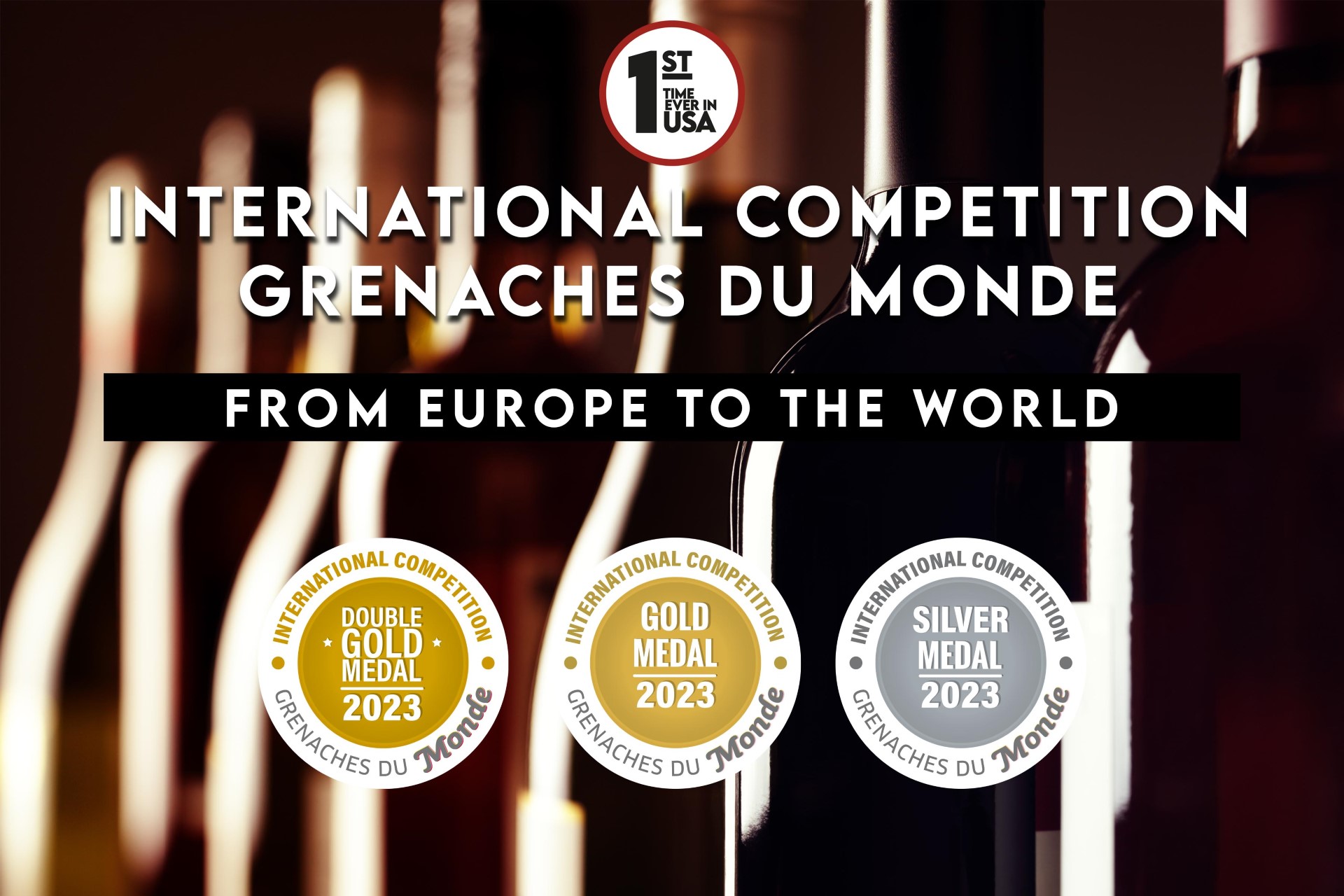
    The prestigious International Competition Grenaches du Monde, which for its 11 editions has been held for the first-time outside Europe -more specifically in New York City-, already has its winners. A total of 286 medals have been awarded in this eleventh edition, 11 double gold medals, 199 gold medals and 76 silver, among 800 Garnacha/Grenache wines.

    Organized by the Asociación Garnacha Origen from Spain and the Conseil Interprofessionnel des Vins du Roussillon/ CIVR of France, this emblematic competition has become an unmissable event for wine and Garnacha/Grenache lovers over the years, as this special edition confirms it. In addition, the event is part of the “European Garnacha/Grenache Quality Wines” campaign which is a program co-financed by the European Commission with the aim of improving the competitiveness of the EU’s quality agricultural products.

    The jury was made up of 80 professionals – for the first time all North Americans- distributors, sommeliers, importers, but also journalists and wine influencers. These experts evaluated the wines from 4 different countries (France, Spain, Italy, United States) and selected the best for their best qualities. Each jury judged approximately a total of 80 wines.

    233 wines of Protected Designation of Origin (PDO) and 35 wines from the Protected Geographical Indication (PGI) medalled.

    To view the 286 medalists, visit Garnacha/Grenache website.

    The award-winning wines illustrate the quality of these wines and form a good representation of the terroirs in which Garnacha/Grenache grows. This extraordinary edition of the international competition was held during the month of June under the slogan “From Europe to the world”.

    “Grenaches du Monde” is an annual competition and is open to all Garnacha/Grenache wines (pure or blended), without restriction of color, or country of origin. Therefore, the wines competing are mostly made from Garnacha/Grenache belonging to all categories of wines: sparkling, still, fortified, natural sweet, liquor wines, etc., and open to all producing countries.

    The wines selected in this competition will be honored at a sensational night that will be held on 14 September in the heart of New York City, the day right before the International Garnacha/Grenache Day, which will bring together personalities from the North American wine world.

    History of the competition

    It was in 2013 that the Conseil Interprofessionnel des Vins du Roussillon/ CIVR (France) organized the first competition dedicated to this high-quality grape variety. The “Grenaches du Monde” event was born in Roussillon and quickly became itinerant. In 2016 it was held in Aragon (Campo de Borja), then in Sardinia (2017) and Catalonia (Terra Alta, 2018). The competition returned to Perpignan in 2019, and the following year headed for Montpellier in partnership with Vins de Pays d’Oc. In 2021, it was divided into 4 Garnacha/Grenache capitals: Cebreros in Spain, Châteauneuf du Pape and Perpignan in France, and Ascoli Piceno in Italy. In 2022, the competition took place in Navarra (Olite).

    This year it was held in New York City and has been a resounding success.

  • European Garnacha/Grenache, the grape of choice for great gurus

    European Garnacha/Grenache is a highly valued variety among renowned wine experts. Its versatility, variety and denomination of origin (PDO and PGI), in addition to its flavor, aroma and history, are some of the reasons that give it this worldwide recognition.

    ©roussillonwines

    For example, one of the gurus and lovers of this variety, Nicole Rolet, assures that “Garnacha/Grenache is fascinating for its ability to adapt where and how it is grown, and to really reflect the sense of place. It is often used to enhance the best blends – it is the basis for most rosés – but it is also capable on its own of producing great wines that age beautifully. Today it is becoming a cult variety”.

    In fact, “the next big thing could be Garnacha/Grenache”, predicts James Laube, a great American critic and writer of several books on wine.

    The famous Robert Parker -from Wine Advocate- also praises the resurgence of this European grape and recognizes its quality: “Garnacha/Grenache has been basically despised in the last century, but I am buying more and more Grenache wines as I get older”, he says.

    For California critic and winemaker Randall Grahm, “Garnacha has been a bit like the proverbial girl next door. It’s taken me years to realize how beautiful it is”.

    In the same line, the prestigious Spanish critic José Peñín says that this variety is being rediscovered. “Who dared to bet on Garnacha/Grenache 25 years ago? Nobody (…) Fortunately, a Grenache wine region like Aragón has shaken off the label of rough and tannic wines that proudly display the name of the grape on some labels, a practice already common in California wines”.

    Europe is home to a treasure trove of old Garnacha/Grenache vines. Not only because the low yields of these century-old vines produce a more concentrated flavor, but because their deep roots lead to better expression of the terroir – especially in terms of mineral characters – and better resist the increasingly hot climatic conditions.

    ©BodegSanValero

    The center of world attention

    The robust vines are found mainly in northeastern Spain and southern France. Jancis Robinson, Master of Wine, journalist, and editor of several books believes that “some of the best value wines in the world are made from old-vine Garnacha/Grenache grown in less famous regions, such as Calatayud, Campo de Borja or Roussillon”, and warns: “it is about time that Garnacha/Grenache enjoys sometime in the international spotlight”. The same is the opinion of Eric Asimov, from the New York Times, who claims this center of interest for Garnacha.

    Precisely because very often it is grown in old vines and in a good terroir, and because it has moderate yields, it produces wines with more tannins, aromas, and unctuousness. Both rosés and reds have a great structure and richness in aromas. In this sense, in one of the most emblematic wine search engines, Snooth, it is being said that “Garnacha/Grenache is called to be the next big success. In general, it is fruity and smooth, and fun to drink (…)”.

    James Suckling, internationally regarded as one of the world’s most influential wine critics, has rated some quality European Garnacha/Grenache wines with high scores (up to 92 points!). According to his tasting panel notes “This variety has become fashionable among winemakers who work in hot, dry climates and want to make wines with nuance, detail and precision”.

    And on the flavor side, Dean Hewitson of Hewitson Wines in Australia adds, “With strawberry-like red fruit, tannins and spicy aromas, the wines are seductively charming and wonderfully appealing.”

    “It’s all about red fruit, says Susy Atkins, The Telegraph: ripe, juicy, slightly sweet, and fresh red fruit. Grenache Negra (for the French), also known as Garnacha Tinta (Spain), can be smooth and easy-drinking or relatively rough and tannic, with white pepper, vanilla and even a hint of thyme, but you can always count on vivid red berries at its heart: strawberries, cherries, raspberries, and red plums”.

    Another of Garnacha/Grenache’s strengths is its versatility. Expert Andy Abramson emphasizes: “The quality and diversity of the wines made from the three Grenache grapes demonstrate how amazing and versatile the grape is, in all the varieties of the world”.