Blog

  • European Garnacha/Grenache, trending in 2023

    @GrandesVinos

    European Garnacha/Grenache has become a fashionable variety, highly valued by experts thanks to the work of winemakers and new approaches in the production of these varietal wines. During the last 20 years, experts of this grape have opted to yield control in the production process, taking advantage of old vines and applying modern techniques, which results in elegant, balanced wines of exceptional character and concentration.

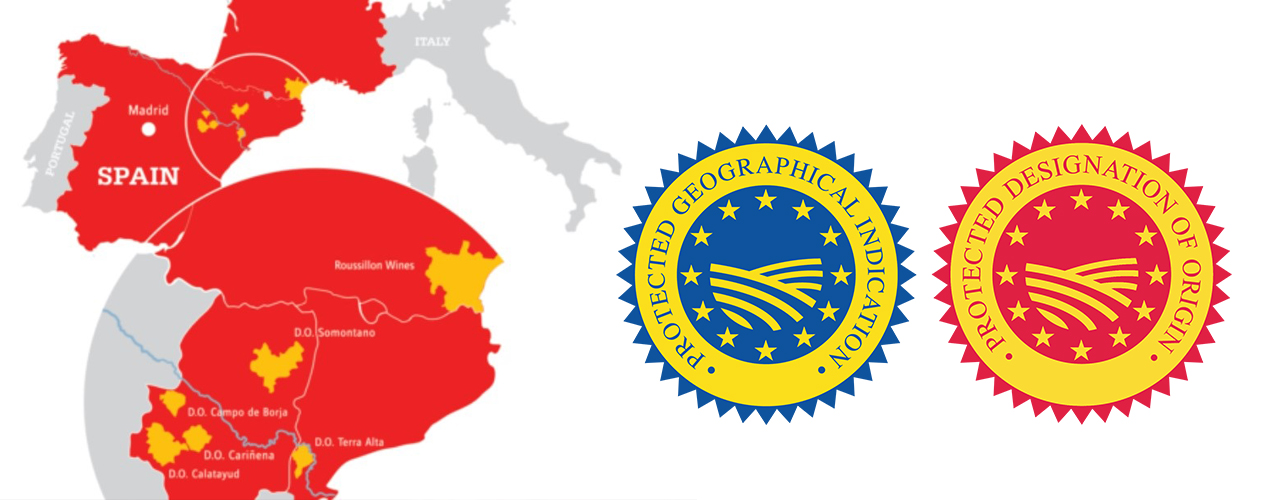
    Moreover, as a result of this different approach, and the great attention to terroir, European Garnacha/Grenache wines from northeastern Spain (Calatayud, Campo de Borja, Cariñena, Somontano and Terra Alta) and Roussillon, France, are highly recognized today as representing the purest expression of high-quality grapes and wine in 2023.

    European Garnacha/Grenache wines are seducing consumers and are trending for several reasons:

    They offer a wide range of wines for any moment. It is the only majority varietal with red, gray, and white variants, producing a great diversity of styles, including dry red, white and rosé wines, sparkling wines and fortified sweet wines (such as the Vins Doux Naturels), thus offering a lot of possibilities for any time of consumption, at any time of the year. Because of its versatility, it can be consumed as a sweet wine in an aperitif, on its own in the cooler months or as a cocktail. It could be consumed as a dry wine for an aperitif or for special dishes (mushrooms, ham, smoked or salted fish). The whites, rosés and lighter reds are ideal for warm meals. The more daring reds are ideal to accompany hearty winter dishes. The sweet wines, and especially the Vins Doux naturels, are the perfect pairing for “exotic foods” (sweet and savory recipes, sweet and sour parings), cheeses, desserts, or to drink after dinner at any time.

    A taste with personality. Its accentuated freshness and fruity expression captivate today’s modern consumer, who is looking for wines that speak of the place where they come from. For all these reasons, European Garnacha/Grenache wines have become fashionable. Garnacha/Grenache produces wines that meet the tastes of today’s public: fruitier, rounder, more enjoyable wines, with soft tannins and a pleasant taste in the mouth.
    @GrandesVinos

    Good quality/price ratio. Its good price makes it accessible to anyone. European Garnacha/Grenache is ideal both for the habitual drinker, as it can offer very complex aromas, and for the occasional drinker and young public, precisely because of its accessible prices.

    Symbol of European quality. Garnacha/Grenache wines are closely linked to European quality parameters. From the cultivation and harvesting of the right grapes in the vineyards to ageing cellar, every care and attention is required. In addition, the producers included in the ‘European Garnacha/Grenache Quality Wines’ Program are committed to preserve, maintain and care for the wine with the highest quality and innovation. European Garnacha/Grenache wines are products registered as PDO and PGI. According to the European Commission, products registered as PDO (Protected Designation of Origin) are those with the closest link to the geographical place and habits from where they are produced, while PGI (Protected Geographical Indication) highlights the relationship between the specific geographical region and the name of the product.


  • Who consumes European Garnacha/Grenache wine in the U.S.?

    European Garnacha/Grenache wines are an international symbol of quality with European origins that are trending in the U.S. and growing in consumption. Some 22% of regular wine consumers in the U.S. tasted Garnacha/Grenache in the last six months of 2022, up six points from the same period last year, according to a Vinitrac® study by Wine Intelligence.

    This increase is based on higher consumption of both red and white Garnacha/Grenache, whose market penetration in the U.S. has increased from 8% to 13% and from 11% to 14%, respectively. In relative terms, consumers who drink Garnacha Tinta in this market are the same as those who drink Tempranillo and Pinotage, while those who drink Grenache Blanc are of the profile of Gewürztraminer wine consumers.

    ©Turismo de Aragón


    In the United States, a 23% of wine consumers are regular wine drinkers, that is, they drink wine once a month or more often, according to a study by Wine Opinions. Precisely, among these regular consumers, the knowledge of Garnacha/Grenache is increasing. More than half of them know Garnacha/Grenache as a grape grown in Europe, an improvement of 10 percentage points in January 2023 compared to January 2022. Consumption of this European variety has also advanced considerably, as a year ago it was consumed by 1 in 5 drinkers and now by more than a third.

    The majority of Grenache drinkers, 80%, rate this wine as high quality, especially the European wine, which scored 8.3 out of 10, according to the Wine Intelligence study.

    Grenache Identity

    27% of regular wine consumers in the United States can recognize the PGI (Protected Geographical Indication) and PDO (Protected Designation of Origin) logos of European Quality Garnacha/Grenache wines, up from 16% the previous year. This is explained by a better understanding of the meaning of these logos; moreover, 3 out of 4 consumers consider these logos to be a guarantee of the geographical origin of the wine and its traceability, and more than 60% of those surveyed consider them to be a guarantee of quality.

    In addition, the EU co-financed promotional campaign “European Garnacha/Grenache Quality Wines”, promoted by the Asociación Garnacha Origen from Spain and the Conseil Interprofessionnel des Vins du Roussillon /CIVR of France, which will run until February 2024, has greater visibility and consumers have better understood its message and origin. The link between European quality and wine is now understood by more than a third of the population.


    In conclusion, the United States is the leading wine consuming country by volume. Sales of Garnacha/Grenache in this country reached 30,544 hectoliters worth $55.6 million in 2021, 4.1% more than in 2019 (according to Nielsen). This is due to some of its benefits such as taste and price ($12.8 per bottle) and because it is ideal for making rosé wine, very popular in the U.S. especially, for the new high-style rosés. This advance is also achieved because “there is great interest among the American public, mainly among millennials, for its unique characteristics,” says Carolina de Funes, Manager of European Garnacha/Grenache Quality Wines Program.


  • European Garnacha/Grenache stops in Chicago and Los Angeles to showcase its versatile and sustainable side

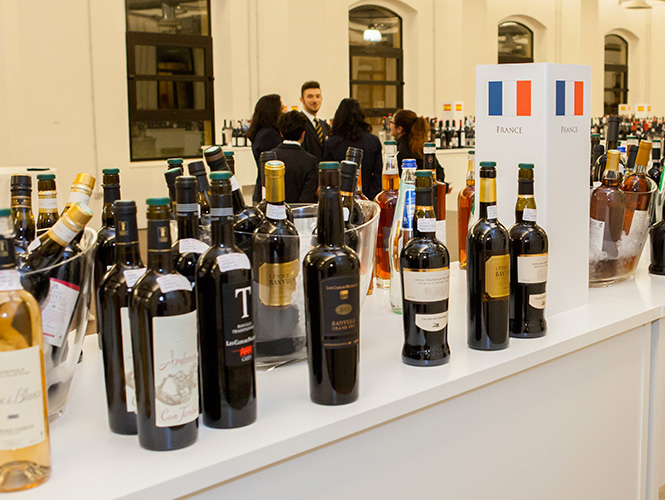
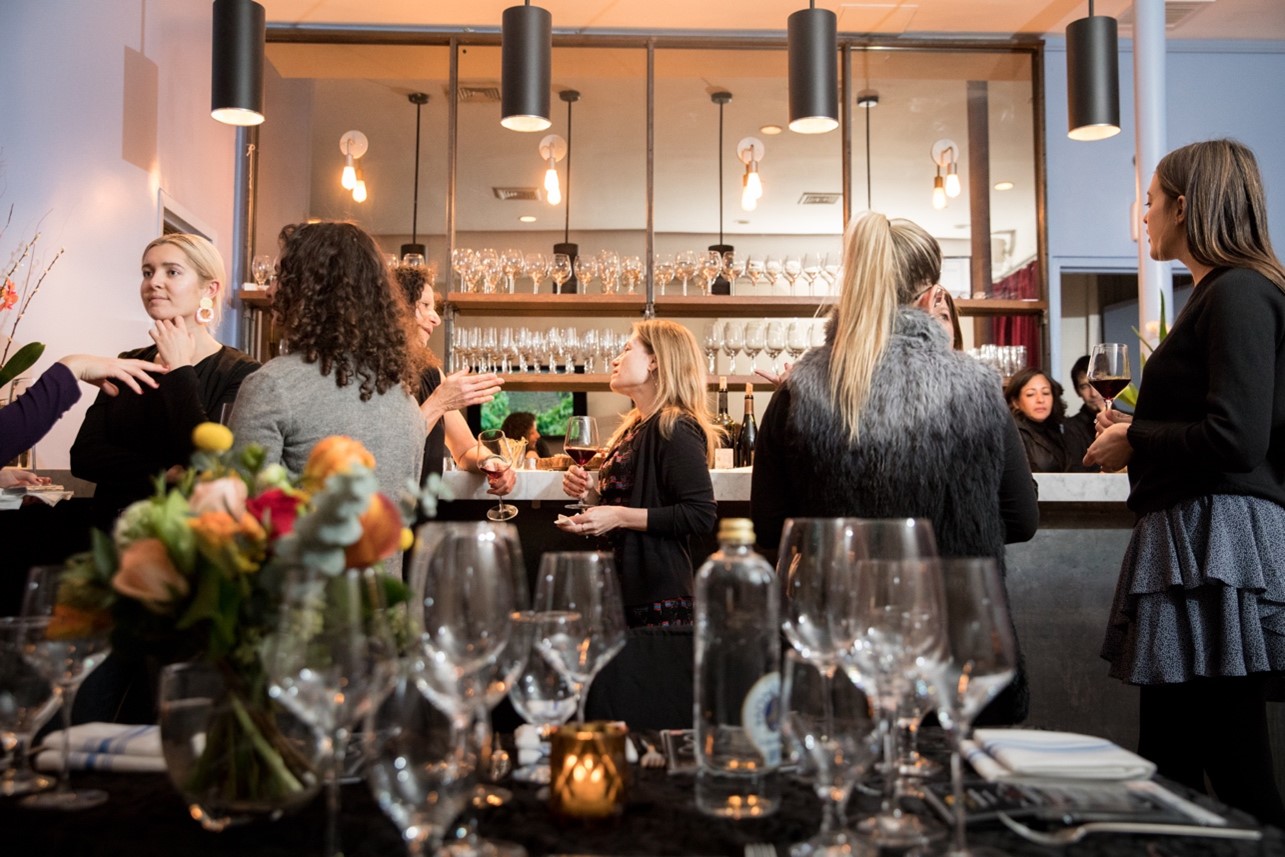
    European Garnacha/Grenache once again shone during the two walk-around tastings held in Chicago (April 24) and Los Angeles (April 26) in the U.S. In both events, trade (sommeliers, restaurants, and hospitality professionals, distributors, importers and the media…) were able to taste this unique variety that is all the rage in the U.S. In addition, they were able to taste the innumerable benefits of Garnacha/Grenache, which is used to produce high quality wine in a sustainable way. The Chicago walk-around tasting took place at Bar Avec at 640 N. La Salle Drive (8th floor), while the Los Angeles walk-around tasting was held at Girl & the Goat, at 555-Mateo St, both iconic places respectively.

    At these two events, professionals were informed about the history of this grape and its pairing capability through a visit of the different producers of the European Garnacha/Grenache Quality Wines Program and through a seminar given by Carolina de Funes, Manager and Eric Aracil, Associate Manager of the “European Garnacha/Grenache Quality Wines” project. This great expert with extensive experience in the world of Grenache explained to those present everything about its origin, cultivation, and production, as well as the different wines that result from its production (red, white, rosé, sparkling and sweet fortified wines).

    According to Eric Aracil, “it was a unique occasion for our guests to taste first-hand the original and leading Garnacha/Grenache quality wines first hand introduced by their winemakers from Spain and France.. Meanwhile, attendees learned about European quality schemes, terroir, and the characteristics of this incredible grape, nowadays one of the most consumed varieties in Europe”.

    Precisely the production of Garnacha/Grenache wine made from old vines and in a special geographical situation (northeastern Spain and southern France) surprises the American public increasingly interested in the care for the environment. In this regard, at the World Conference on Climate Change and Wine held in 2011 in Marbella (Spain) with Kofi Annan, Garnacha/Grenache earned its reputation as one of the most environmentally friendly varieties for its ability to withstand dry climatic conditions.

    “The Garnacha/Grenache roadshow is having a great impact among media and professionals in the U.S., mainly because of the characteristics of this varietal and the history surrounding each grape, but our guests are also fascinated by the quality of the wines and their affordable value,” concludes Carolina de Funes.


  • European Garnacha/Grenache, the variety of the ‘terroir’

    The European Garnacha/Grenache grape adapts to the land where it is grown and is different in each of the regions, offering different qualities in its wines. In addition, it provides identification guarantees for the different PDO and PGI designations of origin where it is grown.

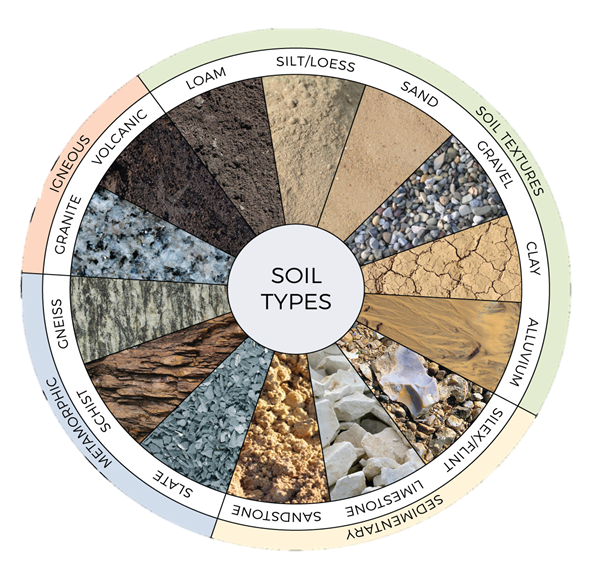
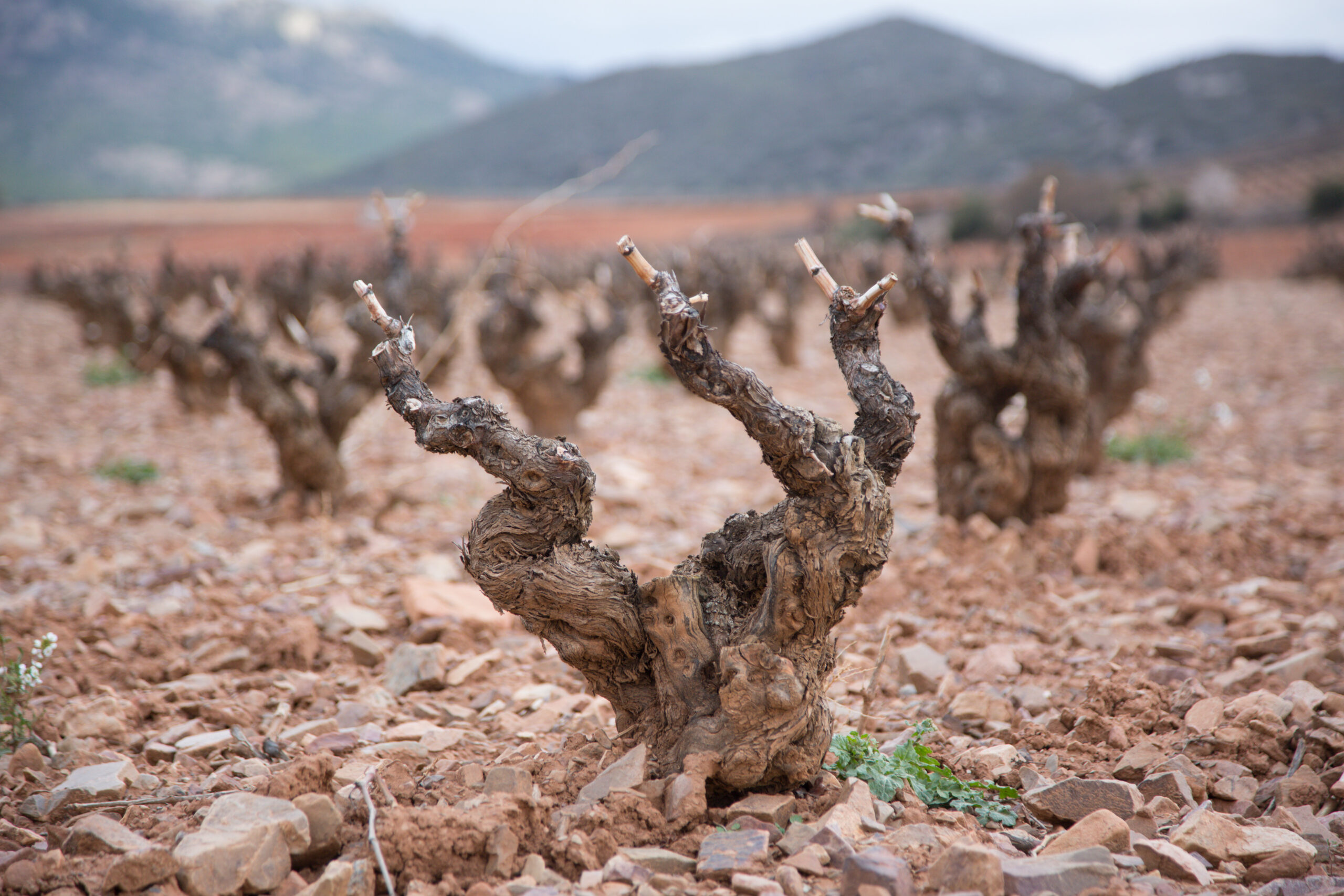
    This variety is very sensitive to the variations of the terroir (soil, climate, among others) and adapts perfectly to its environment. And the best thing: depending on where this unique grape grows, different quality Garnacha/Grenache wines are produced. The robust wood especially of its old vines allows the variety to withstand strong winds, such as the cierzo in Spain and the tramontane in France, which help keep the grape clusters loose and free of illness and it to produce excellent fruit and wines in a wide range of sedimentary, igneous metamorphic or textured soils composed especially of gravel, boulders, pebbles, slate / schist, marblequartz, gneiss, granite, clay, or limestone.

    European Garnacha/Grenache Quality Wines is planted especially in the production areas of north-eastern Spain and southern France, with warm climate and different soils that give rise to different qualities in the wine. Few examples bellow:

    Gravel. This is a soil made up of pebbles and boulders, which come from alluvial deposits and are well drained. The vines grow very well in this type of soil, producing structured, complex, intense, and fleshy wines.

    Slates / schists: There are different slates in terms of structure and color. From north-eastern Spain to southern France, Garnacha / Grenache can grow very well on Red, Grey, Black, Blue or White slates. The result of schist for wine is – in a word – complexity. Garnacha / Grenache reds, whites, roses, sparkling and vin doux naturels grown on schist soils display finesse and subtlety, undercut with hallmark minerality. Tannins in reds are firm but fine, while all wines possess a freshness (the fact that soils have a low pH).

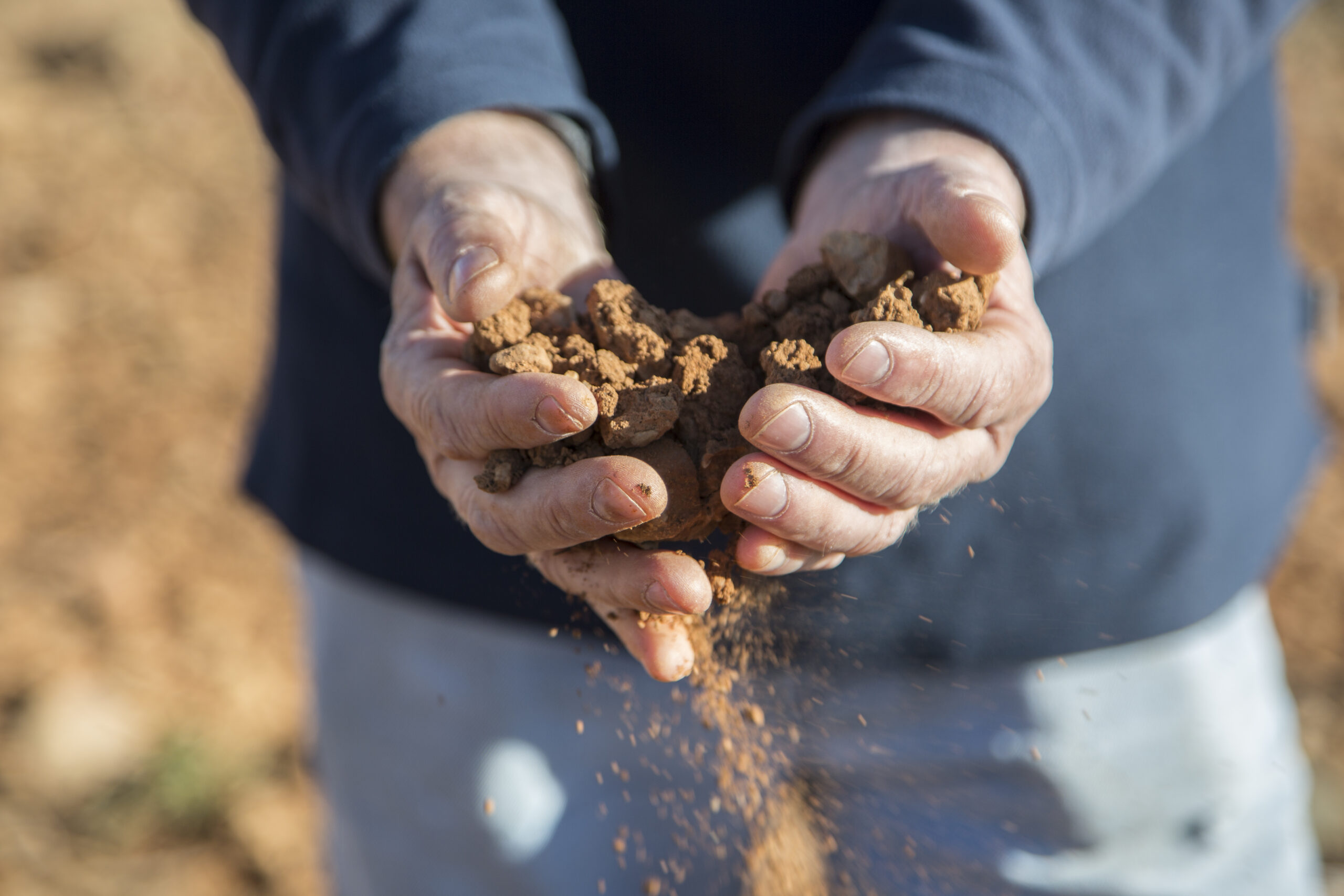
    Ferruginous-clay soils. In this case, the soils are mainly composed of clays with a high iron content and little rounded pebbles. The resulting wines have high power (structure and alcohol content) and a lot of color.

    @GrandesVinos

    Limestone / Chalkly soils: here the wines can be vinified to show concentration or lightness, but wines will always be pleasant, complex and with a greedy drinkability.

    In general, in the soils of these regions where European Garnacha/Grenache grows, the roots are long and deep and adapt well to water stress. In fact, Garnacha/Grenache prefers dry, warm soils that are well drained, where it can concentrate flavors and aromas. In this sense, winegrowers in the PDO areas of Calatayud, Campo de Borja, Cariñena, Somontano, Terra Alta and the PDOs and PGIs of Roussillon have given a new approach to Garnacha/Grenache production and have given the terroir the importance it deserves, as it is synonymous with origin and quality.

    In most of these Geographical Indications their vineyards are planted with this grape that proves to be a ‘variety of terroir’ and whose old vines offer an extraordinary quality.

    The cultivation of Garnacha/Grenache in these regions belongs to the European production system, one of the most demanding and guaranteeing. The EU’s Geographical Indications scheme protects the names of products that come from specific regions and have specific qualities and a reputation linked to the production territory, such as Grenache.


  • The International Competition Grenaches du Monde is held in the USA (NY) for the first time

    This year, lovers of the Garnacha/Grenache variety wines will have a great event to write down in their calendars. For the first time in its history, the International Competition Grenaches du Monde will take place in the US, in the heart of New York City under the slogan “From Europe to the World”. This news breaks the trend of holding the competition in Europe, which has been organized there since 2013.

    And this 11th edition – part of the EU co-financed promotional campaign, European Garnacha/Grenache Quality Wines“- will host 80 professionals who will evaluate around 900 excellent wines from different Geographical Indications where this Garnacha/Grenache grape variety is produced (mainly in regions of Spain and France). It will also be the first time that it will be held digitally (online) and with a jury made up exclusively American professionals (importers, distributors, sommeliers, buyers, etc.) and influential people (media and specialized journalists). Only the best American palates in the wine industry will taste and award the best Garnacha/Grenache wines in the world in this tasting, which will take place in June.

    On September 14th, the winners of the 11th edition of the International Competition Grenaches du Monde will be honored at a special gala event to be held in New York City. Garnacha/Grenache will be the star of this magical event where experts and personalities from the wine sector will live a unique experience and celebrate one day in advance the International Garnacha/Grenache Day.

    The International Competition Grenaches du Monde is open to all wines produced in all categories of wines with geographical indication: sparkling, still, fortified, natural sweet wines, liquor wines, and from all countries producing this variety.

    For the New York 2023 11th edition, around 900 wine samples are expected to be collected, of which the best will be awarded double gold, gold and silver medals. In last editions, medals awarded, helped the winning wineries to increase their trade expectations.

    ©Grenaches du Monde

    In 2013, the Interprofessional Council of Roussillon Wines organized the first competition dedicated to this high-quality grape variety. With its roots in Roussillon, ‘Grenaches du Monde’ quickly became a travelling event, visiting Garnacha/Grenache-producing regions every year. Over time, more and more winemakers have participated in this event, which has become an unmissable annual meeting point for wine professionals from all over the world.

    The objectives of this competition focus on promoting quality wines from all Garnacha/Grenache grape varieties, encouraging production and consumption, and promoting its benefits on an international scale.

  • Garnacha/Grenache presents at Vinexpo New York its origin and evolution

    The fifth edition of the Vinexpo Fair was held in New York City on March 8th and 9 th, 2023. It was a great opportunity for the professionals from the United States to discover everything related to the European Quality Systems surrounding Garnacha/Grenache and its upward evolution. It was also an opportunity for them to learn more about the delicious taste of these wines and the origin of the grapes from which they come. Garnacha/Grenache Wines were at the prominent Fair in the booth nº 208.

    The Asociación Garnacha Origen of Spain and the Conseil Interprofessionnel des Vins du Roussillon /CIVR of France organized a masterclass on March 8 entitled: “Introduction to Quality Garnacha/Grenache Wines” with the participation of one of the greatest connoisseurs of Garnacha worldwide, Eric Aracil, Associated Manager and Carolina de Funes, Manager, both of them of European Garnacha/Grenache Quality Wines Program. Both brought a lot of data and knowledge about the seventh most planted grape variety, and all aspects related to the identity of these wines, geographical indications (PDO and PGI), traceability, labeling, nutrition, and close relationship with sustainability and environment.

    The attendees, mostly professionals from the world of catering, retail, distributors, importers, and the media had the opportunity to taste all expressions of Garnacha/Grenache wines: reds to whites, rosés, sparkling and Fortified Sweet Wines. They were also able to talk with wine experts included in the European Garnacha/Grenache Quality Wines Program to learn about the entire winemaking process of this unique wine. The event was a success and welcomed a large number of people, which exceeded all expectations of attendance. The event was sold out.

    The Garnacha/Grenache program also organized a walkaround tasting in Miami (Florida Avenue) on March 6, with the aim of bringing this variety closer to U.S. experts (sommeliers, distributors, importers and the sector’s media).

    In addition, these events were ideal places to inform attendees and professionals of the wine sector about the latest news of the International Competition Grenaches du Monde leaves the Old World to land in the heart of New York under the slogan “From European to the World”. This time only the best American palates of the wine industry will taste and award the best Garnacha/Grenache wines of the world. In the same way, they were informed about the great event that will take place in New York in tribute to the Grenache. On September 14th as it is tradition, the pre-International Garnacha/Grenache day will be celebrated paying homage to the winners of the 11th edition of International Competition Grenaches du Monde at a gala in New York City.

    These events are part of the EU co-financed program “European Garnacha/Grenache Quality Wines” which aims to increase awareness of this unique variety in the US market.

    The U.S. is the leading wine consuming country by volume. Garnacha/Grenache sales in this country reached 30,544 hectoliters worth $55.6 million in 2021, 4.1% more than in 2019 (according to Nielsen).

  • Recommendations for an optimal consumption of European Garnacha/Grenache quality wines.

    The European Garnacha/Grenache wines are of great quality and sometimes not tasting them in the right glass or with sufficient oxygenation can make you not perceive the high quality and care that G&G’s European wines have. Here are some recommendations for proper consumption:

    ©LydiaLeePhoto

    1. Decant the wine if necessary:

    Although modern winemaking techniques make decanting dispensable for most Garnacha wines, either white or red, young or with a certain ageing time will improve with decanting. It is a convenient, fast and effective method to get oxygenation to wake up some wines.

    To decant wine it is important to follow some basic rules:

    • You should know the real state of the wine to know if it needs to be decanted or not. To do this, first of all it is necessary to bring carefully the bottle in case of deposit, then it will be necessary to open the bottle slowly, smell and taste it.
    • You must slowly pour the wine from the bottle into the decanter, making sure that it slowly slides down the walls of the container. This must be done carefully as excessive oxygenation can have harmful effects, and using a candle or a light to check the arriving of eventual deposit. For this process the use of decanters, generally made of glass, with a long neck and a very wide and convex base, is necessary.
    • The time spent in the decanter will vary according to the age of the wine, but it is usually short. In this sense, there is no standard rule, the best thing to do is to taste the wine.
    • To facilitate and accelerate the oxygenation of a Grenache wine, you can rotate the decanter in concentric circles in a gentle and constant manner. This operation is not very advisable for very old because they could lose their qualities. This can be done to homogenate the wine temperature in a cooler bag full of fresh water.
    • Decanting is a good option to use a wine at the last moment.


    2. A glass for each Grenache:

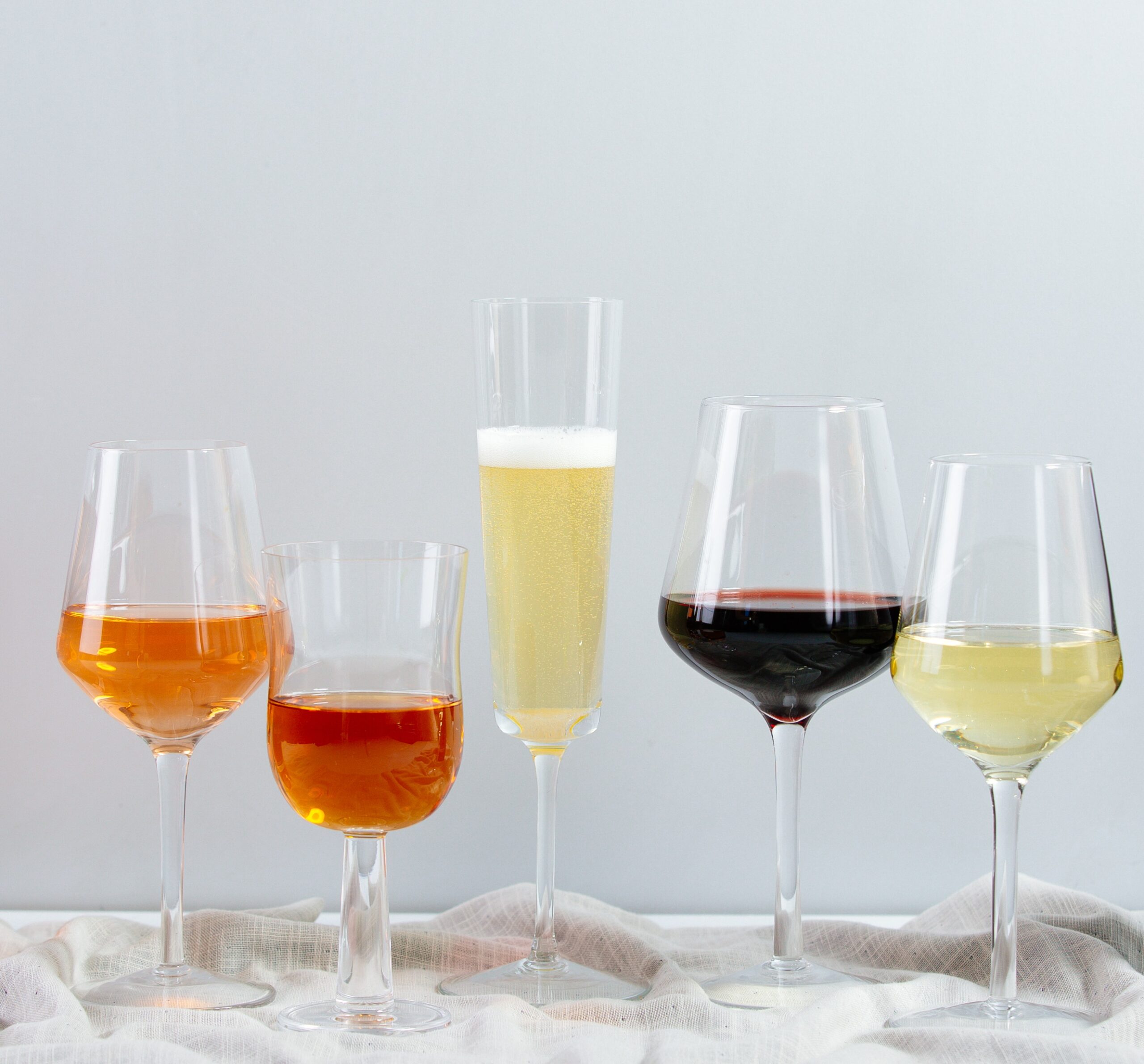
    It seems superfluous, but the glass is a very important element when drinking a Grenache wine. In fact, if the glass is chosen incorrectly, it can greatly affect your perception when tasting a wine, and can even confuse its color, aromas or flavor.

    There are as many glass shapes as there are varieties of European Grenache. For example, a Bordeaux glass (with a larger capacity than the rest) is ideal for red wines (Red Garnacha/ Grenache Noir or even Peluda or Tintorera); a Burgundy glass (its design is shorter but it has a larger bowl) is perfect for whites (Garnacha Blanca or even Grenache Gris). The universal glass is ideal for a rosé wine and sparkling wine, even slightly closed at the edges so that aromas are better perceived. While for fortified sweet wines it is better to choose a Port glass or a burgundy white glass, as the aromas are better perceived.

    3. How to fill the glass:

    It is advisable to pour the right amount of wine into the glass depending on the chosen wine. But in general, for all the wines, it is necessary to not fill more than the level at the biggest opening surface, while if it is a sparkling wine, it is a good idea to fill almost to the rim.

    4. Hold the glass by the stem:

    This is done to avoid heating the wine. It is advisable to tilt the glass (about 113º) on a white background to see its color. In this way we can have an idea of the evolving and even the age that the wine has.

  • Old Garnacha/Grenache vines are under the spotlight thanks to quality wine

    The search for unique, exclusive wines and sometimes the need to adapt old vineyards to new production systems has led to a trend in the winemaking industry of protecting, pampering or recovering ancestral vines established over the decades and sometimes centuries. In this regard, expert enologists and winemakers, who are very enthusiastic about this rebirth, have brought old Garnacha/Grenache vineyards back to life in northwestern Spain and southern France. Their efforts have resulted in excellent, high-quality European wines.

    © BodegaSanValero


    Known as Garnacha in Spain and Grenache in southern France, this versatile grape, once called “tinta de Aragón,” [red grape of Aragon] had a hard time surviving phylloxera, an insect in the aphid family that causes damage to the roots, preventing sap from circulating until it kills the plant. This insect wreaked havoc on vineyards across Europe at the end of the 19th and beginning of the 20th centuries.

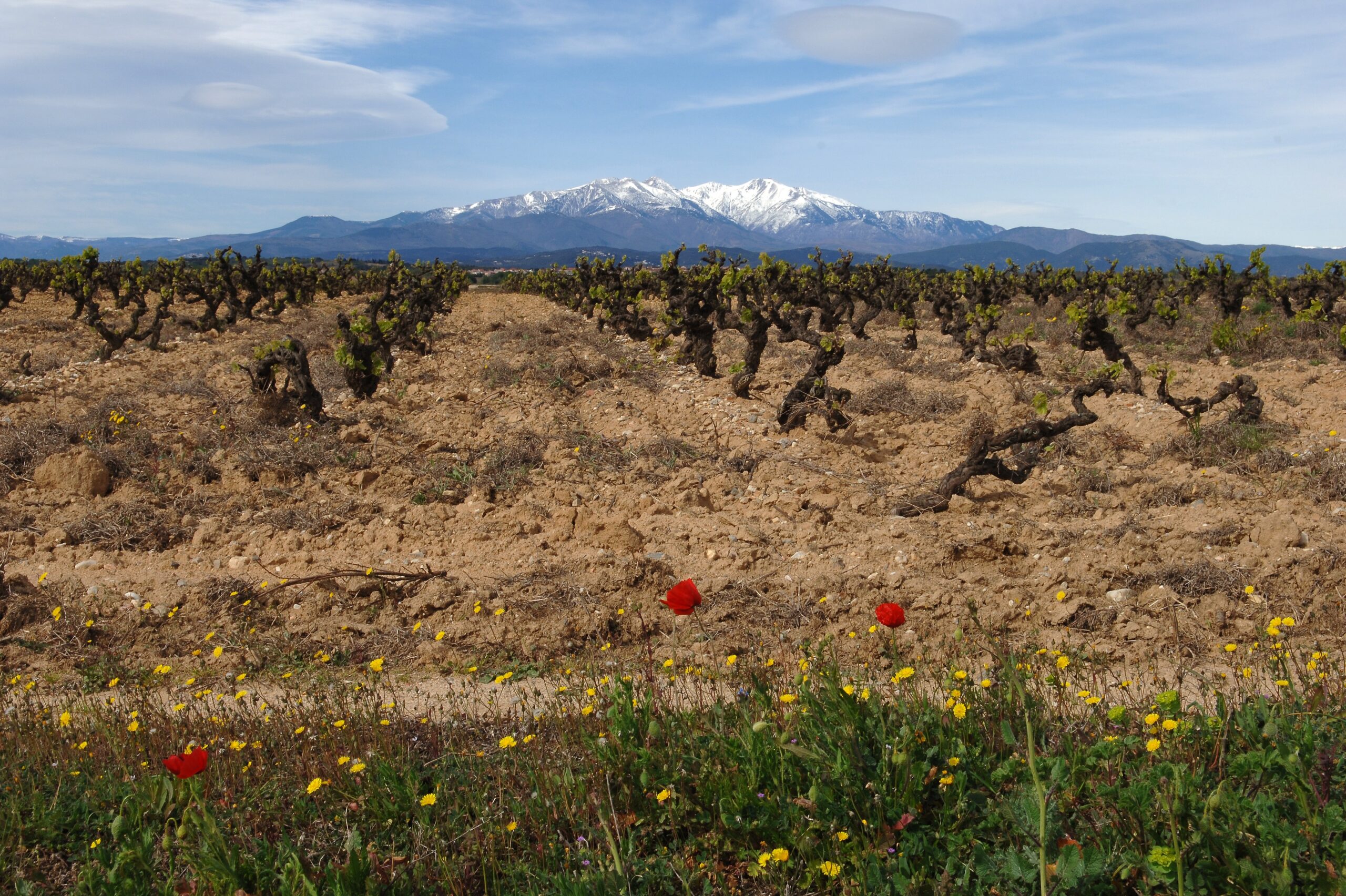
    Because of this, and because Grenache was not a favorite at the time (it was hardly known or worked well due to the lack of means and methods that existed), very few old vines of this variety remained, except in Roussillon, where Grenaches were predominant in the production of Vins Doux Naturels. In recent years, the old Grenache vines have become very valuable due to their enormous winemaking potential. They are prized for their rich, concentrated expression, and because with new production methods they yield excellent wines of consistent quality.

    © Vins du Roussillon

    Today, these old Garnacha/Grenache vineyards are farmed naturally and organically, with vines that are 50-100 years old on average, and at different altitudes in exceptional surroundings. Viticulturists from the five Designations of Origin (DO) that primarily cultivate Garnacha in Spain (Calatayud, Campo de Borja, Cariñena, Somontano, and Tierra Alta) and the 14 in the French Roussillon region are reclaiming the history of this variety and producing wines with a strong sense of place.

  • European Garnacha/Grenache, altitude wines

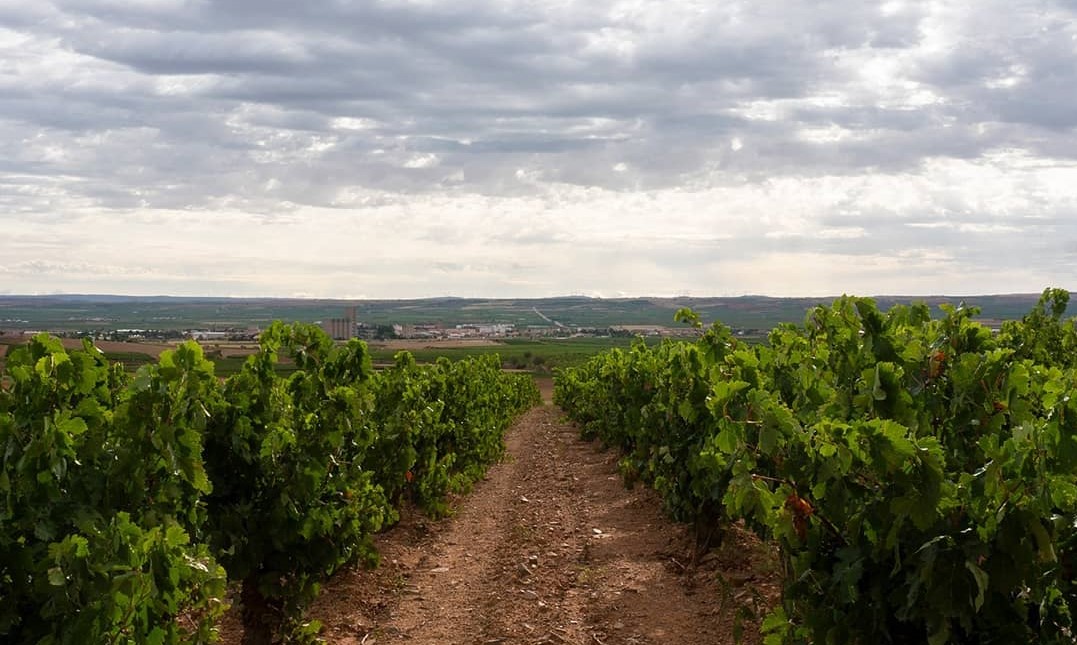
    Of the geographical parameters that affect grape growing, altitude may be one of the most decisive when making quality wine. In this regard, many Garnacha/Grenache vines are found in altitude areas (the highest-altitude wine regions in Aragon and Catalonia in Spain, and Roussillon in France).

    © J. Muñoz

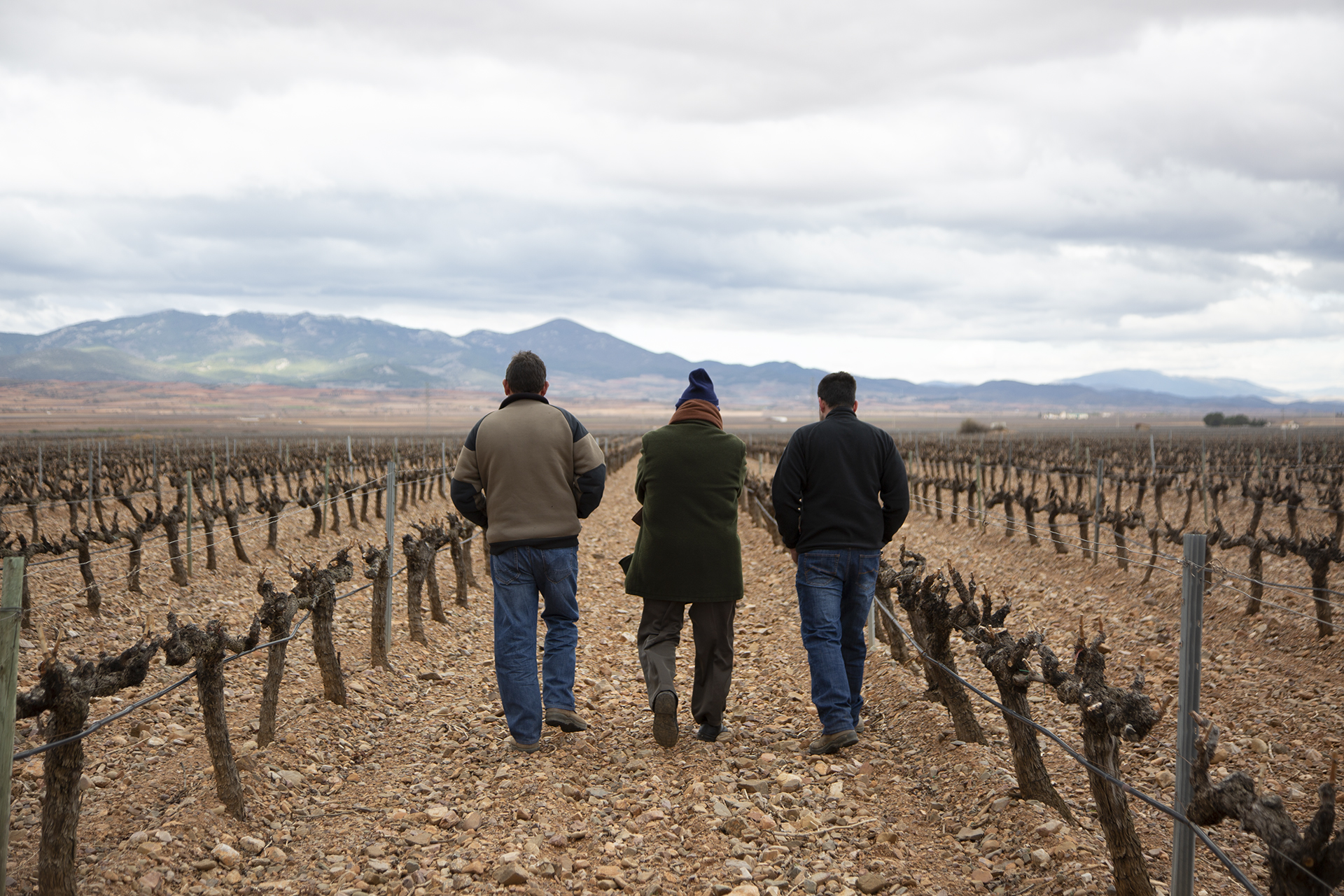
    These altitude to high-altitude regions share similar characteristics: land with steep slopes and altitudes between 300 to 1,100 meters. Here, Garnacha vineyards are grown with great care and no irrigation, resulting in excellent wines.

    The higher the altitude, the lower the temperature. This cool climate makes the wines fresher, more acidic, and long-lasting. Additionally, the grapes enjoy this closer contact with the sun, which preserves their aromas, gives them character and ultimately influences the wine’s personality.

    In high-altitude vineyards, lower temperatures mean the grapes ripen more slowly, while achieving good balance and highlighting thanks to the tangy freshness including color, aromas and flavors.

    Higher altitudes for vineyards can also facilitate air circulation, which results in healthier vines.

    But to understand the origin of these high-altitude wines, let’s take a look at the different areas where Grenache vines are grown:

    PDO Calatayud. Located in the westernmost part of the province of Zaragoza, Garnacha has adapted perfectly to the highest regions of this part of Aragon, with altitudes that range from 550 to 1,040 meters. Here, grape growing at high altitudes coexists with almond, cherry, and olive farms.

    The soil conditions, the altitude at which these vineyards are planted, and the prevailing climate in the region make this designation an exceptional location for growing grapes and producing wines with a unique personality.

    PDO Campo de Borja. Here, Garnacha is grown in the foothills of Moncayo mountain, and in the highest areas (between 550 and 700 meters), its vines are of a certain age and height. These two factors are of vital importance to making good wine.

    PDO Cariñena. In southern Aragon there are also areas with altitudes of 800 meters where Garnacha grows on old vines – many of which are over 50 years old – that are becoming increasingly valued, placing them on the international wine map.

    PDO Terra Alta. Made up of a set of elevated land (between 300 and 550 meters high) located on the right bank of the Ebro River. It is a region consisting of 12 municipalities with a large variety of landscapes.

    These high-altitude areas enjoy a dry Mediterranean climate, and the dominant winds – known as el Cierzo and la Garbinada – play an important role, providing optimal conditions for the vines to develop and to produce highly concentrated, quality grapes.

    © Grandes Vinos

    PDO Somontano. In this unique region in the foothills of the Pyrenees, Garnacha grapes give their best to create the excellent wines that have forged the path for this designation. Large vineyards (located at altitudes of up to 600 meters), nature, and ravines make up its personality.

    French Roussillon. Here, altitude also contributes a lot. This region has one of the largest proportion of old vines in the world, in soils of the most varied at up to 750 meters, located for 80% of the vineyard throughout rough mountainous terrain. The warm, dry climate is well-suited to Grenache. Therefore, it offers the perfect conditions for making quality wine.

  • Key steps in the production of quality European Garnacha/Grenache wines

    Respect for the environment, culture and its people prevail throughout the production process of quality European Garnacha/Grenache wines. From the cultivation and harvesting of the appropriate grapes in the vineyards, to the storage, all care and attention are required. In addition, it is committed to preserving, maintaining and caring for wine with the highest quality and innovation. We comment here the different phases that take place during the Garnacha/Grenache wine production process:

    ©ElVinodelasPiedras

    Cultivation of the vines. Vineyard care is everything when it comes to the process of making quality European Garnacha/Grenache wine. The decisions that are made in the vineyard throughout the year guarantee the best quality in the wines. Respect for the old vines and the strength of the roots in the vineyards are maintained to offer the best wines. The entire process is based on respect for the environment. There are several types of grape: Garnacha Tinta to produce red, rosé or sweet wines; Grenache Blanc and Grey to make white wines, and Garnacha Tintorera and Garnacha Peluda to make young, crianza and sweet wines.

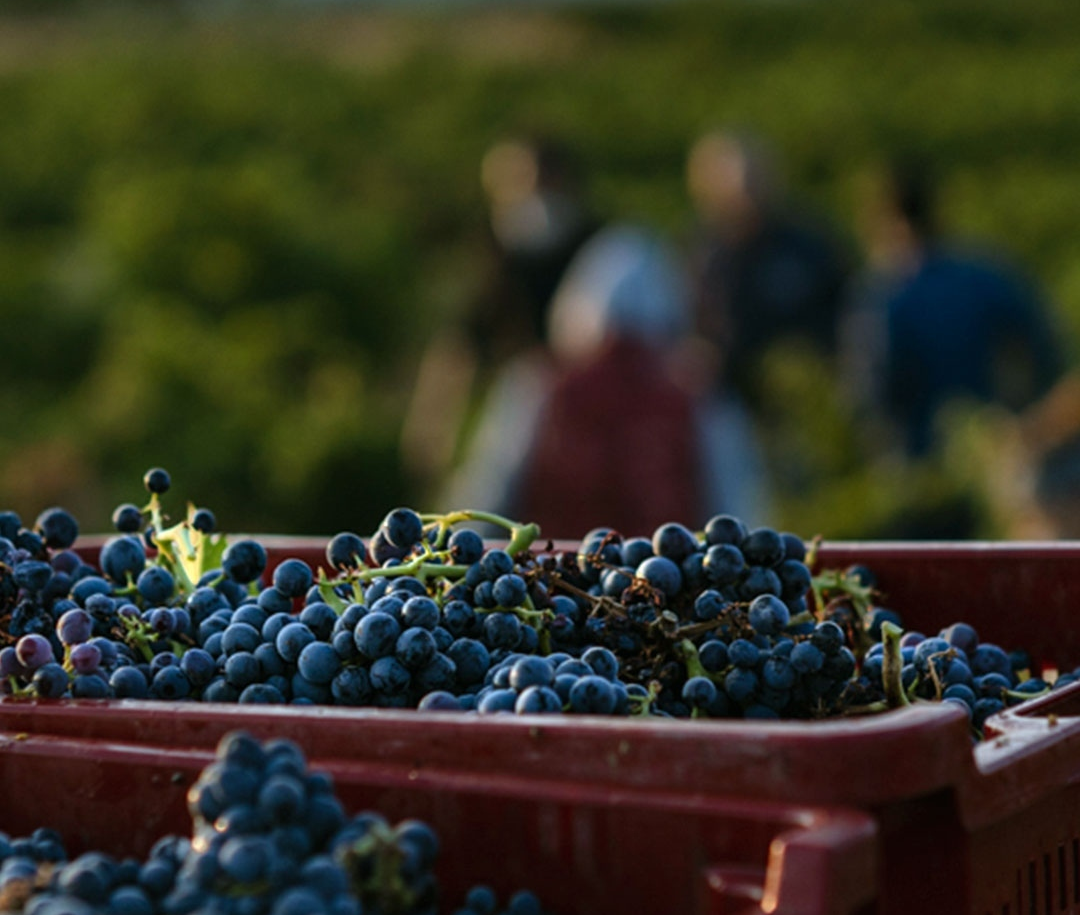
    Harvest. This step refers to the harvesting of the Garnacha grape clusters when they reach the desired ripeness. In the harvest, the bunches from the vineyard are collected, and when it’s necessary they are sorted to discard the grapes that are in poor condition. This way, only healthy fruits remain, that will pass to the next stage. In the case of a production of dry wines, for Garnacha Blanca, Grey and Tinta, the ripening period is medium, with an earlier ripening in the case of Grenache Tintorera. On the other hand, Garnacha Peluda ripens later. The harvest period is always choosen according the style desired for the final wine.

    Destemmed. Depending the style of vindication, it’s necessary to destemmed. It consists of removing the stalk, but also in the case of a mechanical harvest, branches and leaves, leaving only the Grenache grapes. For the red wine production there is an alternative to destemming, doing a traditional vinification with the whole bunches or using more rarely carbonic maceration. Those two last methods allowed to make stronger wines for the first one or younger and fruitier wines for the second.

    The treading. Here the skin of the Garnacha grapes, always for the case of red wine, can be broken and together with the pulp, a mixture called must is obtained. In this process, special care is taken to avoid crushing the seeds.

    Maceration. This is very rare to obtain white or rosé wines, excepted in cold temperature before the pressing and the alcoholic fermentation. Winemaker is talking about skin contact which usually last between few hours and few days.
    For a red, depending if a cold pre-fermenting maceration is done, and according to the style research, the maceration of the must can last for one or more than two weeks. During the time of maceration, the skin of the grape is responsible for giving the wine its hue, aromas and structure. The extraction during the maceration can be increased for a red by pump-over, punching down or delestage…, all those technics help to have all the liquid part full impregnated with the flavor, tannins and color of the skins.
    With Garnacha Tintorera grapes, we obtain a wine with a more intense colour.
    When the ripening processes are appropriate, and also on dark soils, the amount of anthocyanins is greater, and if we also carry out an intense maceration of the skins with the must or wine, the colour intensity of the wines will be high.
    With Garnacha Tinta grapes, a lighter wine colour is obtained.
    During maceration, alcoholic fermentation occurs by which the sugar in the fruit is converted into alcohol thanks to the presence of yeast on the grape.

    Pressing. This stage can be made before, during or after the alcoholic fermentation.
    The must is passed through a press that extracts the liquid that is still present, to obtain the so-called press wine. The residues that remain at the end of the pressing are known as pomace and are usually distilled. An important point is that the press wine and the wine obtained after devatting are very often not mixed.

    Malolactic fermentation. It is a second fermentation to which the wine is subjected to transform malic acid into lactic acid. This way the wine acquires a more soft acidity which balance the wine.

    Battonage. This technique consists of suspending the fine lees (dead yeasts that are deposited at the bottom) by stirring the wine with a stick (batôn in French) to benefit from all its properties. This method is used to make more special wines, to get rounder and fater wines.

    ©GrandesVinos

    Devatting. It consists of transferring the liquid to another tank when all the fermentations are finished. 

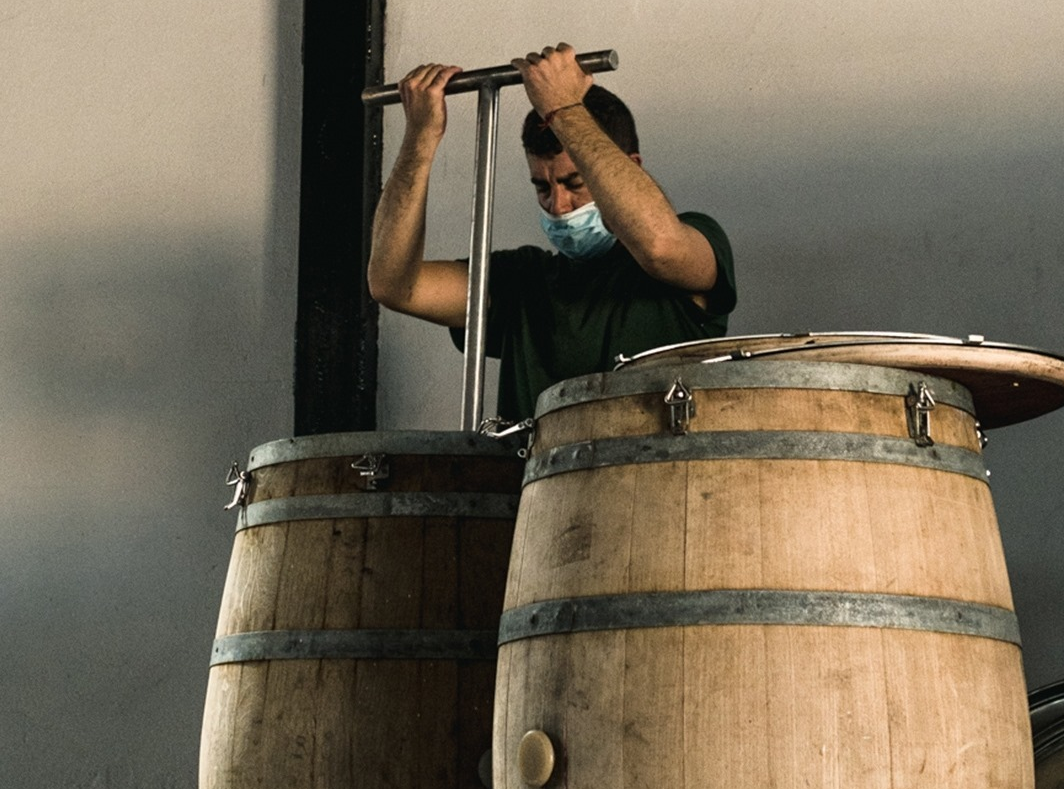
    Ageing, Crianza and bottling. The wines can be aged or no. If they are fresh and fruity, the target is to drink them young. If they are enough powerful, sometimes they need to be age to round and balance them. So, they can be matured in different way, and very often in wood containers. To be aged in barrels, the quality of these barrels, of the wood, the size and the type of barrel are crucial. To obtain an excellent result of Garnacha wine, French oak is used during ageing. In the wood, the wine becomes more complex; among others the wine can take delicate aromas, such as vanilla, sweet spices …. this kind of ageing help also to accelerate the clarification of the wine and to complex its tannins.
    With young Garnacha red wines, the commercialization is carried out immediately, but the rest will still have a period of aging which can be from 6 to 24 months. In the case of white and rosé wines, since they are not usually subjected to excessively long aging times in barrels, the time that elapses from bottling to marketing is much less.